DE | EN | FR
DE | EN | FR

HIOH Research Worldwide

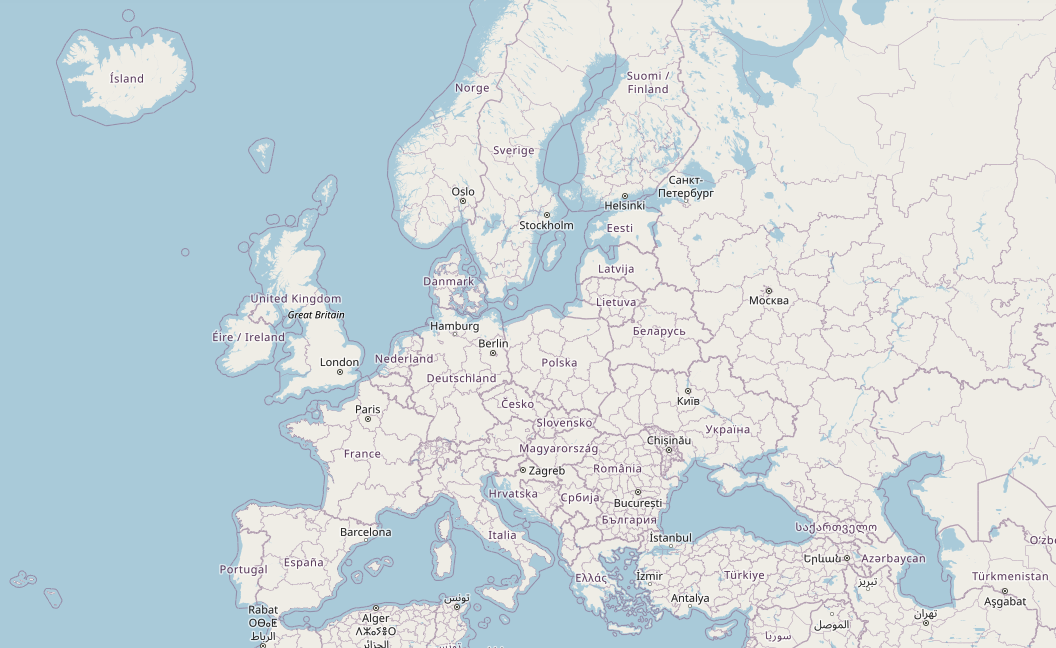
Together with national and international partners, HIOH conducts research at sites around the world. The interactive map provides an overview of our research activities and the topics we address at each site. 

We pursue both long-term research activities such as the One Health Exploratories and individual projects and research missions. Activities can be selected via the map or from the overview. The detail view provides a brief summary of the research objective, information on the HIOH groups and collaborating partners involved, and further details.

We are currently adding further HIOH research activities to the map.

Please note: Once you watch the map, data will be transmitted to Openstreetmap. For more information, see Openstreetmap Privacy.

Back to overview
   Active
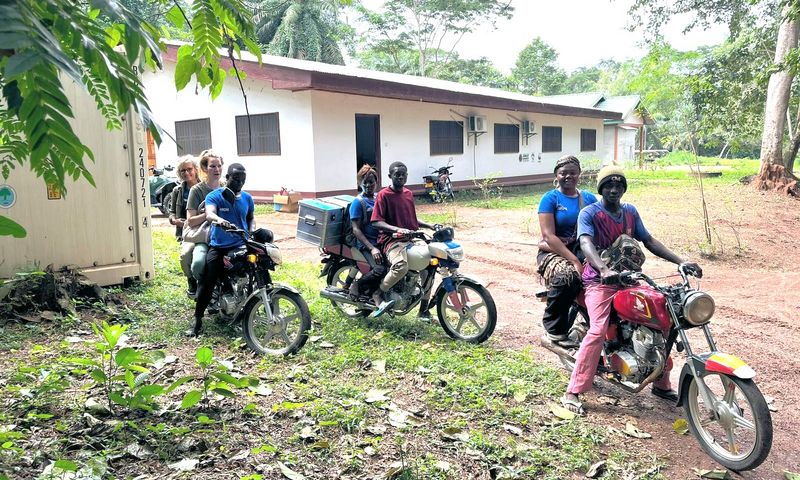
Group of people on motorcycles and scooters in front of a white building in a tropical setting.
ZOOSURSY
Côte d’Ivoire, Central African Republic, Kenya, Uganda

enhancing zoonotic disease surveillance in africa

The ZOOSURSY* project combines research, diagnostics, and capacity building to improve the detection and assessment of zoonotic health risks in Africa. It is managed by the World Organisation for Animal Health (WOAH) and funded by the European Union as part of the partnership between the European Union and the African Union. Active in 17 African countries, the project aims to strengthen the surveillance and early detection of zoonotic diseases with epidemic potential. Activities include the investigation of wildlife by interdisciplinary and cross-sectoral teams, the development of new diagnostic approaches, participatory surveillance systems involving local communities, and training and capacity-building measures.

HIOH is one of five European partners in the scientific consortium. Our research is conducted at four sites in close cooperation with partner institutions: in Kibale National Park in Uganda together with Makerere University, in Amboseli National Park in Kenya with the Max Planck Institute for Evolutionary Anthropology in Leipzig,  in Taï National Park in Côte d’Ivoire with the Centre Suisse de Recherches Scientifiques (CSRS) and the Centre Hospitalier Universitaire de Bouaké (CHUB), and in the Dzanga-Sangha Protected Areas in the Central African Republic with the Institut Pasteur de Bangui (IPB) and WWF. 

Building on these partnerships, HIOH’s contribution combines field-based research, innovative surveillance approaches—including environmental DNA (eDNA) analysis—and capacity building. We investigate wildlife, livestock and priority zoonotic pathogens such as mpox virus, viral haemorrhagic fever viruses, and the causative agent of anthrax, explore ecological relationships, and help expand diagnostic capacities on site.

In addition, we support early-career researchers and the development of local research capacities. As part of ZOOSURSY, HIOH and its African partners are training five PhD students and six Master’s students. By integrating ecological, veterinary, and public health know-how, the project strengthens local scientific expertise and surveillance capacity in the long term and fosters collaboration between actors working in animal health, human health, and the environment.

ZOOSURSY runs until 2029. The scientific evidence created and the capacities built will remain useful beyond the end of the project and enhance preparedness for zoonotic health risks.

*Full project title: Improving knowledge and management capacities to strengthen surveillance systems of priority emerging and re-emerging zoonotic diseases at the animal-human-environment interface

Team member

HIOH research group One Health Surveillance
PIs: Fee Zimmermann, Filipe Dias, Yanthe Nobel (Project coordination)

HIOH research group Ecology and Emergence of Zoonotic Diseases
PI: Fabian Leendertz

HIOH research group Evolutionary Community Ecology
PI: Jan Gogarten

Centre Suisse de Recherches Scientifiques (CSRS), Abidjan, Côte d’Ivoire
PI: Leonce Kouadio

Centre Hospitalier Universitaire de Bouaké (CHUB), Bouaké, Côte d’Ivoire
PI: Oby Wayoro

WWF Central African Republic, Dzanga Sangha, Central African Republic
PI: Frédéric Niatou Singa

Makerere University, Department of Forestry, Biodiversity and Tourism, Kampala, Uganda
PI: Patrick Omeja

Max Planck Institute for Evolutionary Anthropology, Leipzig, Germany
PI: Jenny Tung

Back to overview
   Active
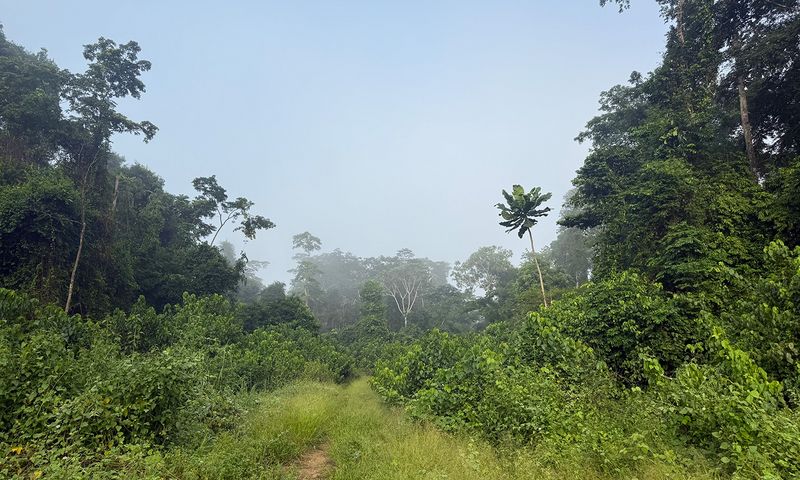
Forest path through tropical rainforest with dense vegetation and tall trees.
RESTOREID
Côte d’Ivoire, Uganda

Restoring ecosystems to stop the threat of re-emerging infectious disease

The EU-funded RESTOREID project investigates how changes in biodiversity affect the emergence of diseases. Sixteen partner institutions from twelve countries are exploring the links between biodiversity, the design and restoration of forests and other landscapes, and disease prevention. The aim is to generate knowledge that can contribute to healthier ecosystems and reduce the risk of disease transmission between animals and humans.

In this context, HIOH focuses on improved methods for assessing biodiversity. We are applying these tools in Taï National Park in Côte d’Ivoire and in Kibale National Park in Uganda to understand changing interfaces and their impact on disease dynamics. Specifically, we are investigating whether carrion flies can be used as natural samplers to detect the diversity of species and pathogens in different ecosystems.

Through contact with animals and other organisms, the flies pick up their DNA (environmental DNA or eDNA) and can thus serve as natural sampling tools and reveal host-pathogen associations, the genomic diversity of pathogens, and their geographic and temporal distribution. In RESTOREID, this method is used to detect changes in species and pathogen diversity associated with ecosystem restoration and to assess what these changes reveal about ecosystem health and resilience. 

Among the 16 RESTOREID consortium partners are, besides HIOH, the Belgian University of Antwerp and Bangor University in Wales (project coordination), the Institut de recherche pour le développement (IRD) in France, the University of Helsinki in Finland, and many others. Each partner institution works closely with a range of associated partners. The team members and partners directly involved in HIOH’s research activities within RESTOREID are listed below.

Team member

HIOH research group Evolutionary Community Ecology
PI: Jan Gogarten

Bangor University, School of Environmental and Natural Sciences, Bangor, United Kingdom
PI: Lucinda Kirkpatrick (Project coordination)

Makerere University, Department of Forestry, Biodiversity and Tourism, Kampala, Uganda
PI: Patrick Omeja

Centre Suisse de Recherches Scientifiques (CSRS), Abidjan, Côte d’Ivoire
PI: Leonce Kouadio 

Back to overview
   Active
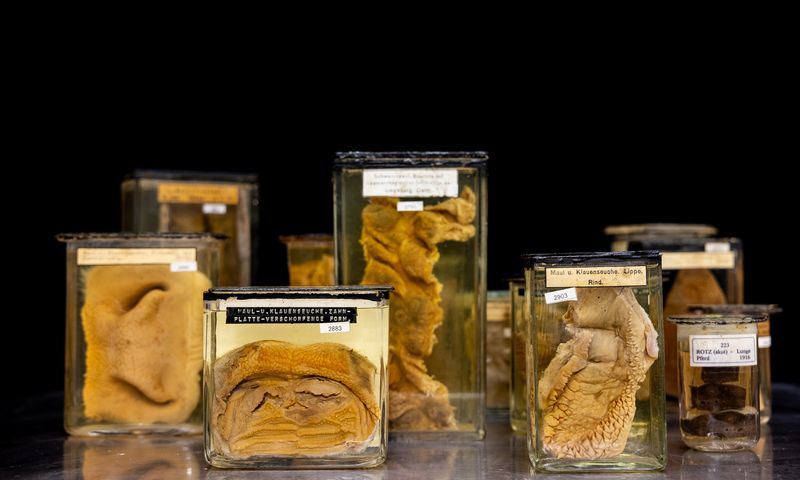
Präparate in Glasgefäßen aus einer pathologischen Sammlung.
Pathogen Evolution
UK, Italy, Austria, Germany

pathogen evolution in the century of disease control

Human activities have influenced pathogen evolution over the past two centuries. Changes such as vaccination, population growth, urbanization, and global mobility have shaped how pathogens spread and adapt, yet their long-term effects are still not fully clear.

Funded by the core budget of the “Pathogen Evolution” research group, we address this by analyzing pathogen material from museum collections and research institutes, integrating both human and animal samples across time and regions. By linking past and present data, we uncover how pathogens responded to major changes and interventions.

HIOH research group Pathogen Evolution
PI: Sébastien Calvignac-Spencer 

Berlin Museum of Medical History of the Charité, Berlin, Germany
PIs: Monika Ankele, Thomas Schnalke, Navena Widulin

University of Veterinary Medicine Vienna, Institute of Pathology, Vienna, Austria
PIs: Barbara Richter, Herbert Weissenböck

University Medicine Greifswald, Institute of Pathology, Greifswald, Germany 
PI: Mara Cornils

Sapienza University of Rome, Rome, Italy
PI: Cira Digioia

University of North Carolina Wilmington, Wilmington, USA
PI: Steven Emslie

Free University of Berlin, Institute of Veterinary Pathology, Berlin, Germany
PI: Achim Grueber

Animal and Plant Health Agency, Weybridge/Addlestone, UK
PIs: Daniel Hicks, Helen Everett, Alex Núñez, Alexandra Schock, Tobias Floyd

Institut Pasteur de Bangui, Bangui, Central African Republic
PI: Christian Malaka

University of Bologna, Veterinary Medical Sciences, Bologna, Italy
PI: Maria Morini

Ludwig-Maximilians-Universität München, Institute for Animal Pathology, Munich, Germany
PI: Andreas Parzefall

German Primate Center (DPZ), Göttingen, Germany
PI: Christian Roos

University of Leipzig, Institute of Veterinary Pathology, Leipzig, Germany
PIs: Reiner Ulrich, Jan Schinköthe

Natural History Museum Vienna, Pathological-anatomical collection, Vienna, Austria
PI: Eduard Winter
 

Back to overview
   Active
GATECEP
Democratic Republic of the Congo, Gabon, Côte d’Ivoire, Central African Republic, Guinea-Bissau, Republic of the Congo

Great Ape Health in Tropical Africa: Emerging diseases, conservation and evolutionary perspectives on human health

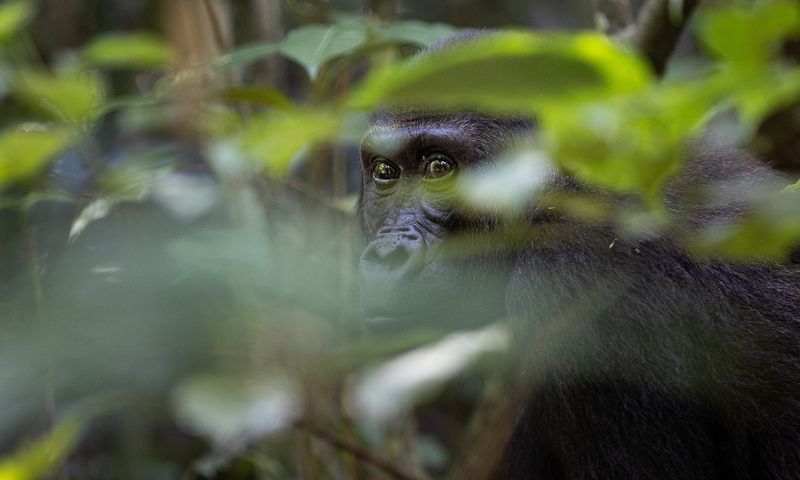
Zoonotic pathogens pose a major threat to global human health. This project addresses the critical role of various zoonotic pathogens in emerging infectious diseases, with a focus on sub-Saharan Africa, a hotspot of biodiversity and human–wildlife interactions. Using great apes as sentinels, the project aims to identify pathogens of relevance for both public health and conservation. 

It builds on an established network of field sites and laboratories in Taï National Park, Côte d’Ivoire, Kokolopori in the Democratic Republic of Congo, Bayanga in the Dzanga-Sangha Protected Areas in Central African Republic, and Loango National Park in Gabon, and includes additional satellite sites in Canthanez National Park in Guinea-Bissau and Mondika and Gualougou in Nouabalé-Ndoki National Park in the Republic of Congo. Within this framework, four African PhD students are actively conducting research and receiving training in wildlife health monitoring and molecular methods. Extensive sample collections enabled the detection of several important pathogens, including those causing anthrax, leprosy, yaws, and monkeypox, highlighting complex transmission dynamics and potential environmental reservoirs.

In the second funding phase, the project seeks to deepen understanding of these pathogens by investigating their distribution, transmission pathways, and reservoirs within ecosystems, as well as their potential for spillover to humans. It also examines the impact of human-derived pathogens (e.g. respiratory viruses, SARS-CoV-2) on great ape populations and evaluates strategies to mitigate disease transmission. Additionally, the project explores broader evolutionary questions regarding the origins and dynamics of infectious diseases in human ancestors.

Combining field-based sampling (e.g. feces, carcasses, insects) with advanced molecular techniques such as high-throughput sequencing, the project is implemented through an international network of research institutions and local partners. Expected outcomes include improved understanding of pathogen ecology at the human–wildlife interface, evidence-based prevention strategies within a One Health framework, and strengthened scientific capacity in participating countries.

HIOH research group Ecology and Emergence of Zoonotic Diseases
PI: Fabian Leendertz, Ariane Düx (Project coordination)

Institut National de la Recherche Biomedicale (INRB), Kinshasa, Democratic Republic of the Congo
PI: Steve Ahuka-Mundeke

Centre Suisse de Recherches Scientifiques (CSRS), Abidjan, Côte d’Ivoire
PI: Leonce Kouadio

WWF Central African Republic, Dzanga Sangha, Central African Republic
PI: Frédéric Niatou Singa

Institut de Recherche en Écologie Tropicale (IRET), Libreville, Gabon
PI: Patrice Makouloutou Nzassi