One Health Cohort activities completed in Côte d’Ivoire
HIOH has successfully completed its first-ever One Health cohort campaign. The flagship initiative within the One Health Exploratories included more than 1,000 participants across nine villages and was made possible through exceptional teamwork.
After more than two years of preparation and four intensive months of field work, HIOH has successfully completed its first-ever One Health cohort campaign in and around Taï National Park, Côte d’Ivoire. Coordinated by HIOH's One Health Surveillance group, the initiative brought together experts from human, animal and environmental health in the most comprehensive field effort conducted within the One Health Exploratories to date.
Zoonotic diseases – infections that can be transmitted between animals and humans – are a growing global health challenge. To better understand how pathogens and antimicrobial resistance circulate at the human-animal-environment interface, HIOH and its partners established a unique long-term cohort study in one of the world's most biodiverse regions.
Between February and May 2026, more than 120 staff members from seven nations – around 100 of them from Côte d’Ivoire – worked across nine villages surrounding Taï National Park. In temporary examination centers in the villages, more than 1,000 people, from newborns to 88-year-olds, participated in the cohort study. Through medical examinations and structured questionnaires, participants contributed health data and biological samples.
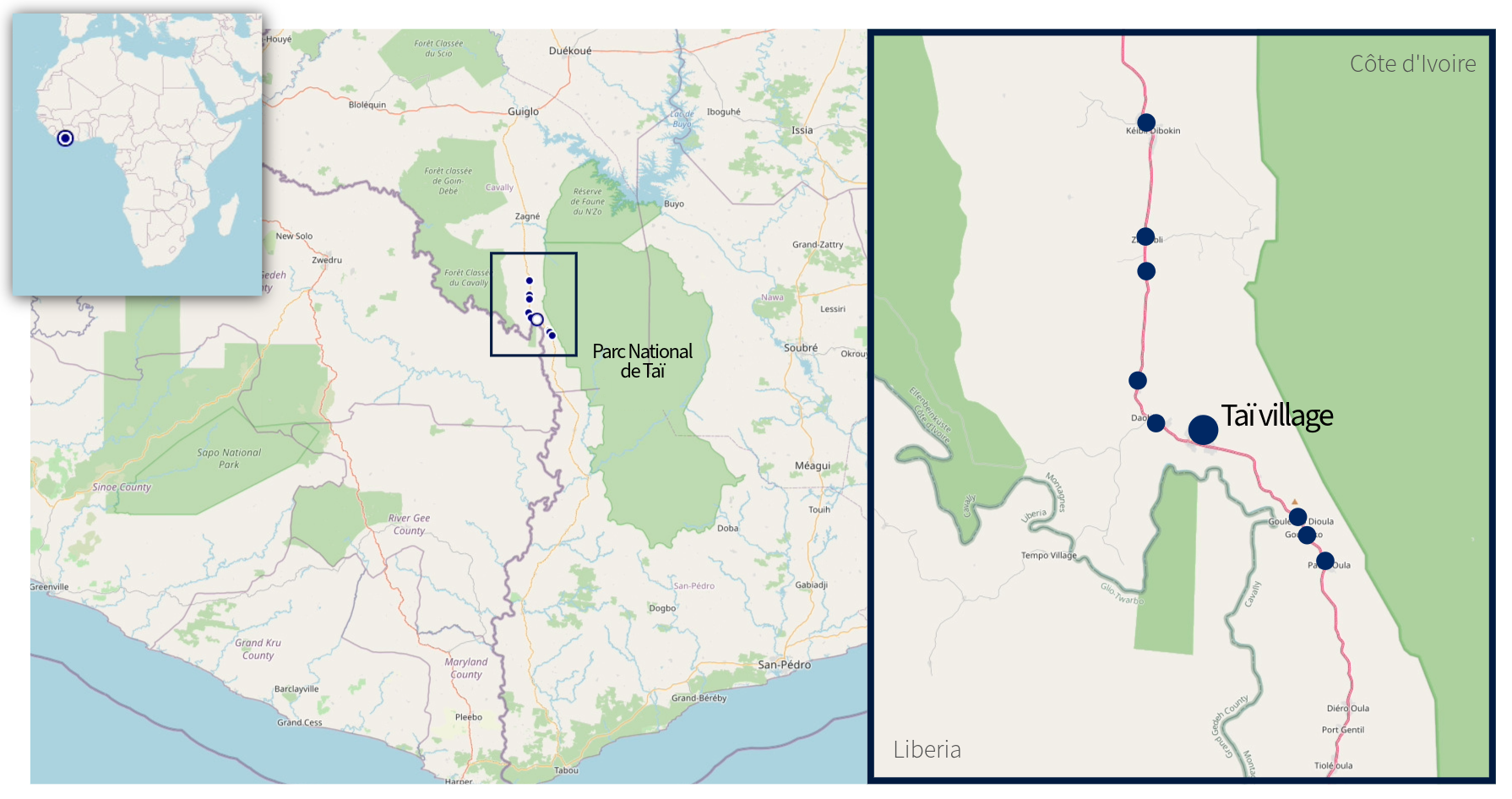
In total, teams collected approximately 7,500 samples from human participants, 3,800 samples from 18 domestic animal species, and a further 3,100 samples from peri-urban wildlife and the environment. Livestock sampling included animals commonly kept by households such as chickens, goats, and pigs, among many others. Small mammals – mice, rats and various bats – were also sampled, alongside water and soil. Biodiversity surveys, light pollution measurements and two automated weather stations provided additional environmental data from the region.
The campaign built on HIOH’s long-standing presence in Taï and years of joint preparation by HIOH, the Centre Hospitalier et Universitaire (CHU) de Bouaké, the Centre Suisse de Recherches Scientifiques (CSRS), the Helmholtz Centre for Infection Research (HZI) and the Friedrich Loeffler Institute (FLI). Through collaborative workshops, extended field stays and close transdisciplinary exchange, the partners jointly developed the study design and laid the foundation for the 2026 field campaign.
A defining feature of the initiative was its close collaboration with local communities. Over more than four months, study teams worked continuously with residents, local authorities and community representatives. This sustained engagement helped build trust, foster lasting relationships and create a strong foundation for future research in the region.
The successful completion of the field phase marks an important milestone for the One Health Exploratories. The samples and data generated through this unique effort will help improve our understanding of zoonotic disease emergence and antimicrobial resistance while strengthening international research collaboration and preparedness for future health threats.
The teams behind the cohort
The success of the One Health Cohort relied on close collaboration between multiple interdisciplinary teams:
Questionnaire team: Community members and social scientists carried out household- and individual-level questionnaires, assigned participant IDs and scheduled appointments for subsequent medical examinations
Medical examination team: Ivorian and German health care staff operated the examination centers and recorded physiological parameters of participants
Veterinary teams: Three teams collected samples from livestock
Small mammal & environment team: The multidisciplinary team focused on small mammal-, water-, soil and eDNA sampling
Laboratory team: Processed and stored thousands of samples in the field laboratory
Data management team: Supported all stages of the study, from data and sample collection to secure storage and quality control
Field coordination team: One Health experts from CHU Bouaké, CSRS and HIOH coordinated activities across all teams and study sites

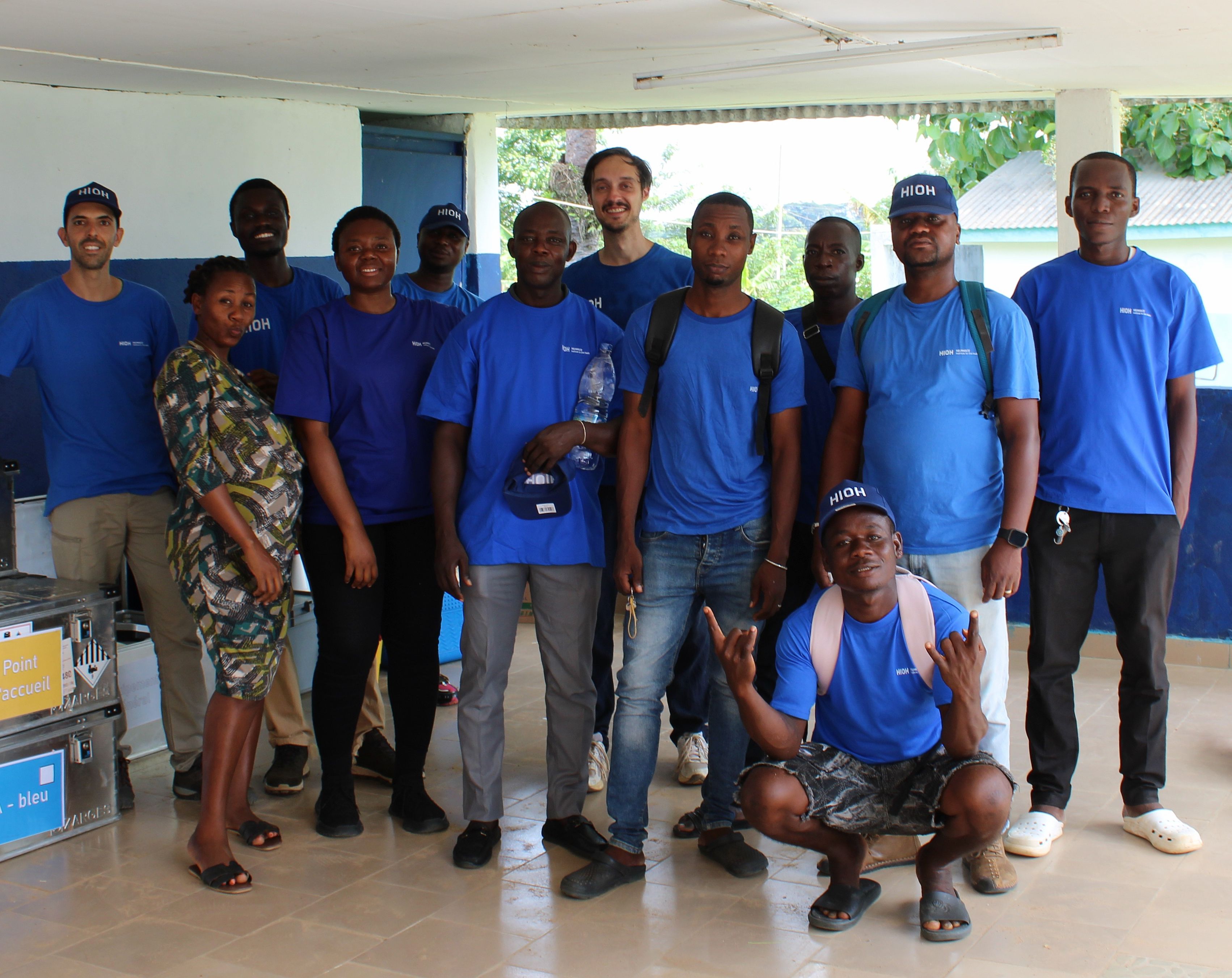
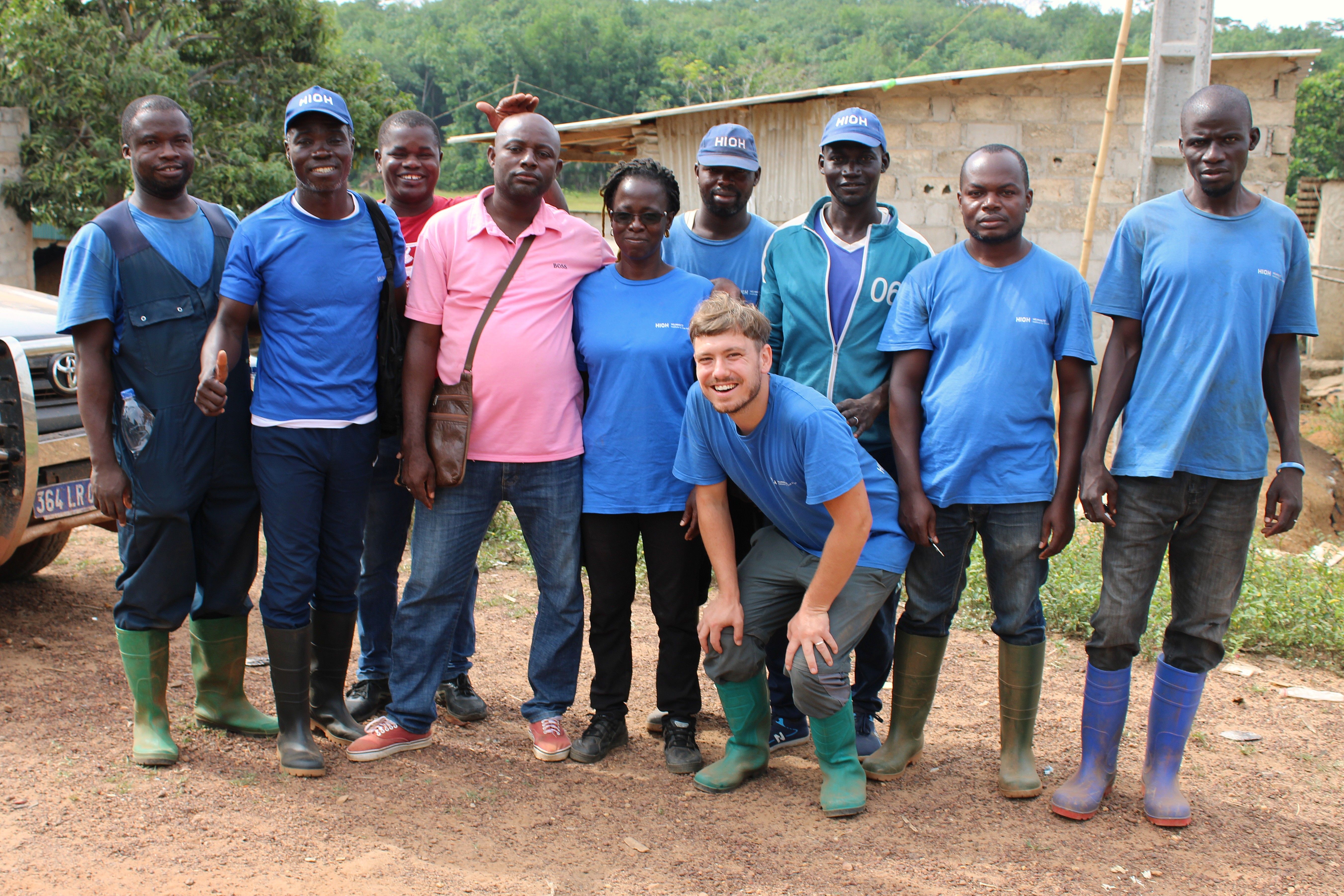
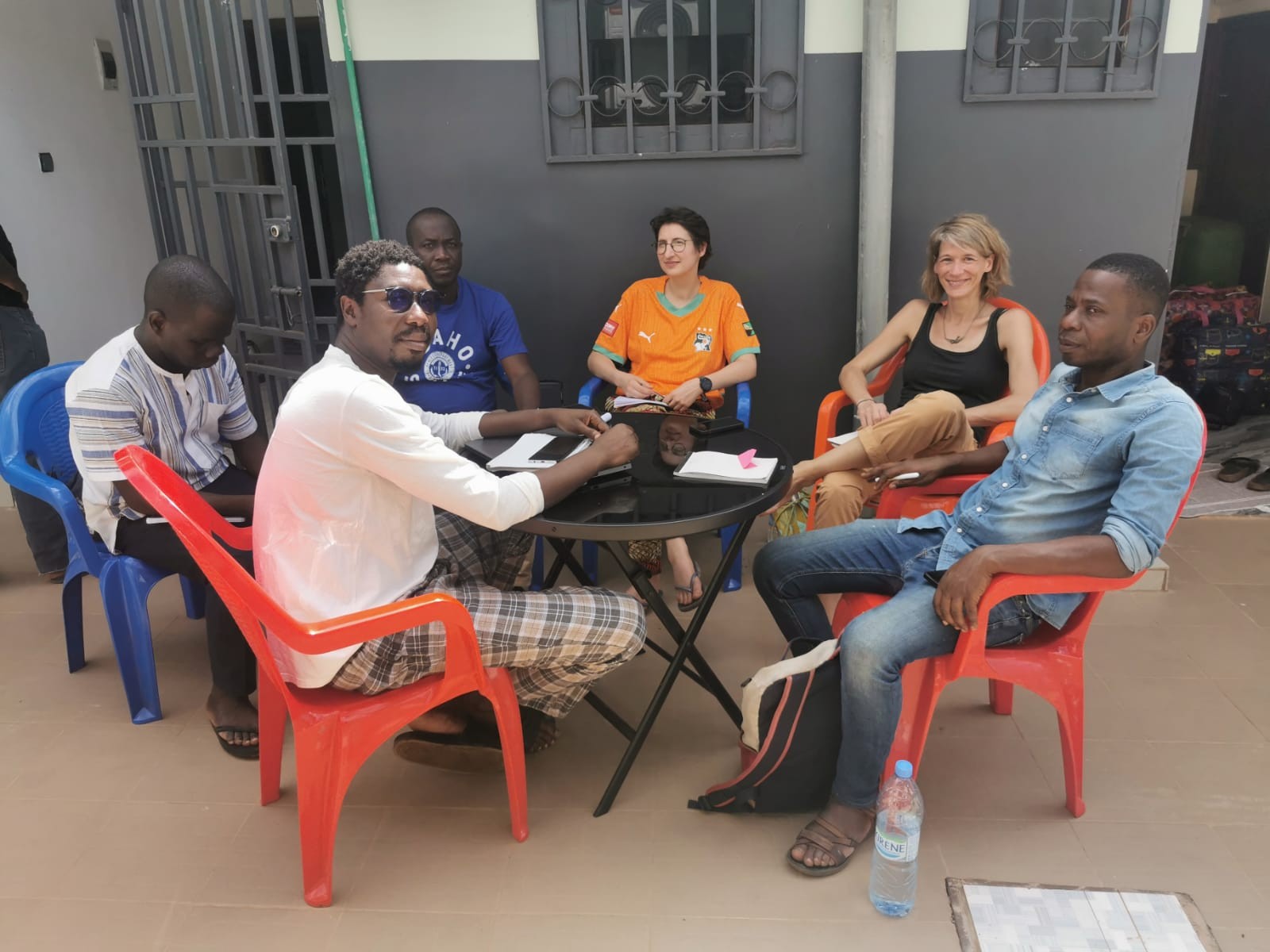
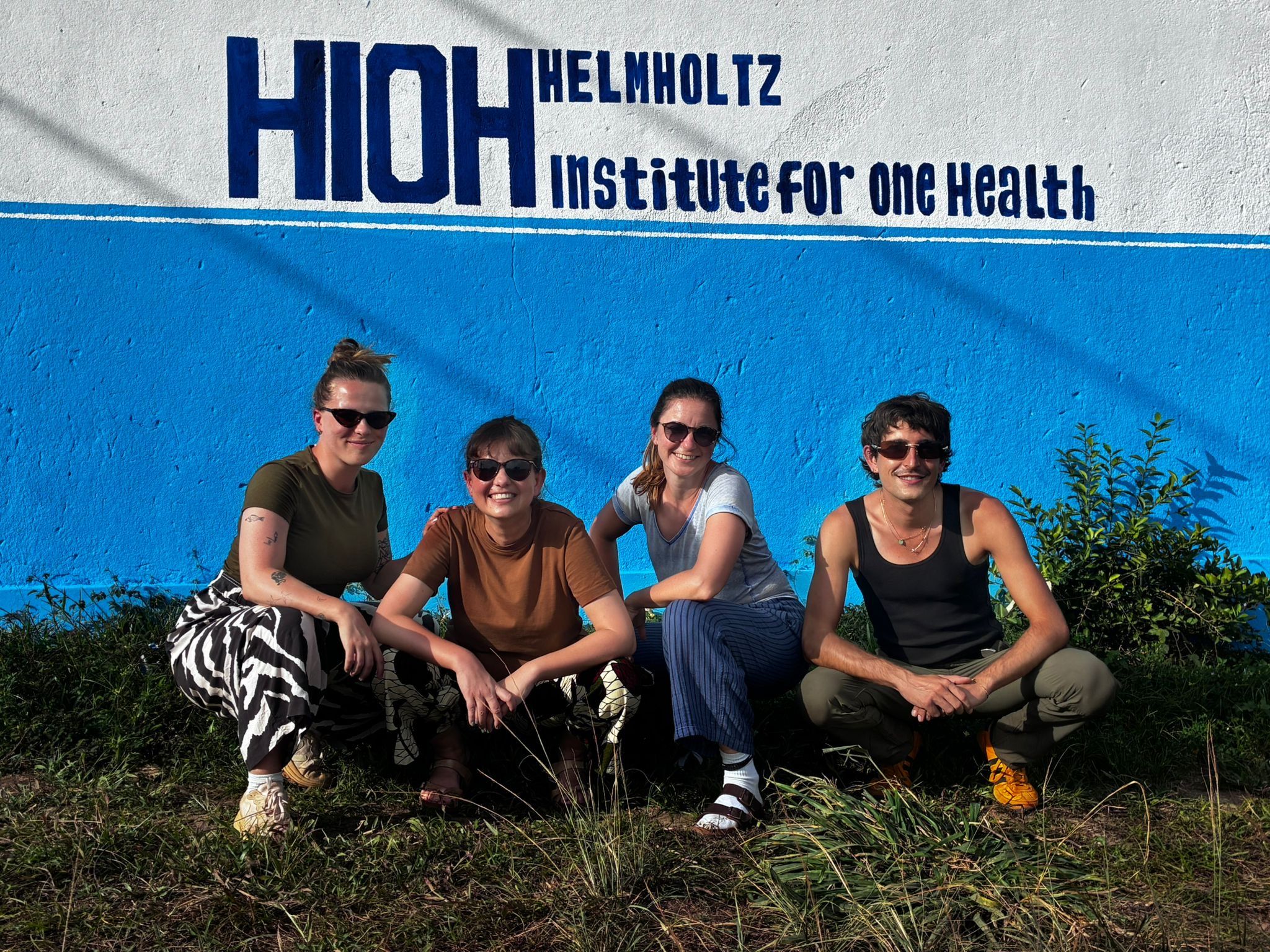


One Health Cohort Blog Archive January–May 2026
The blog entries below offer a glimpse behind the scenes of the cohort campaign, documenting key milestones, challenges and achievements from preparation to completion.


Today marks the final day of the One Health Cohort 2026. After two years of preparation and four intensive months of field work, this remarkable journey is coming to an end. It has been exhausting at times, but also a memorable experience and a great team effort.
In the evening, the team came together for a closing ceremony, where certificates of participation were awarded to local team members and the whole crew celebrated the successful completion of the study.
We would like to sincerely thank all participants, community members and partners involved in the study – and in particular our interdisciplinary teams: the medical examination team, the questionnaire team, the veterinary teams, the laboratory team, the data management team and the field coordination team. This work was only possible thanks to their commitment and support.


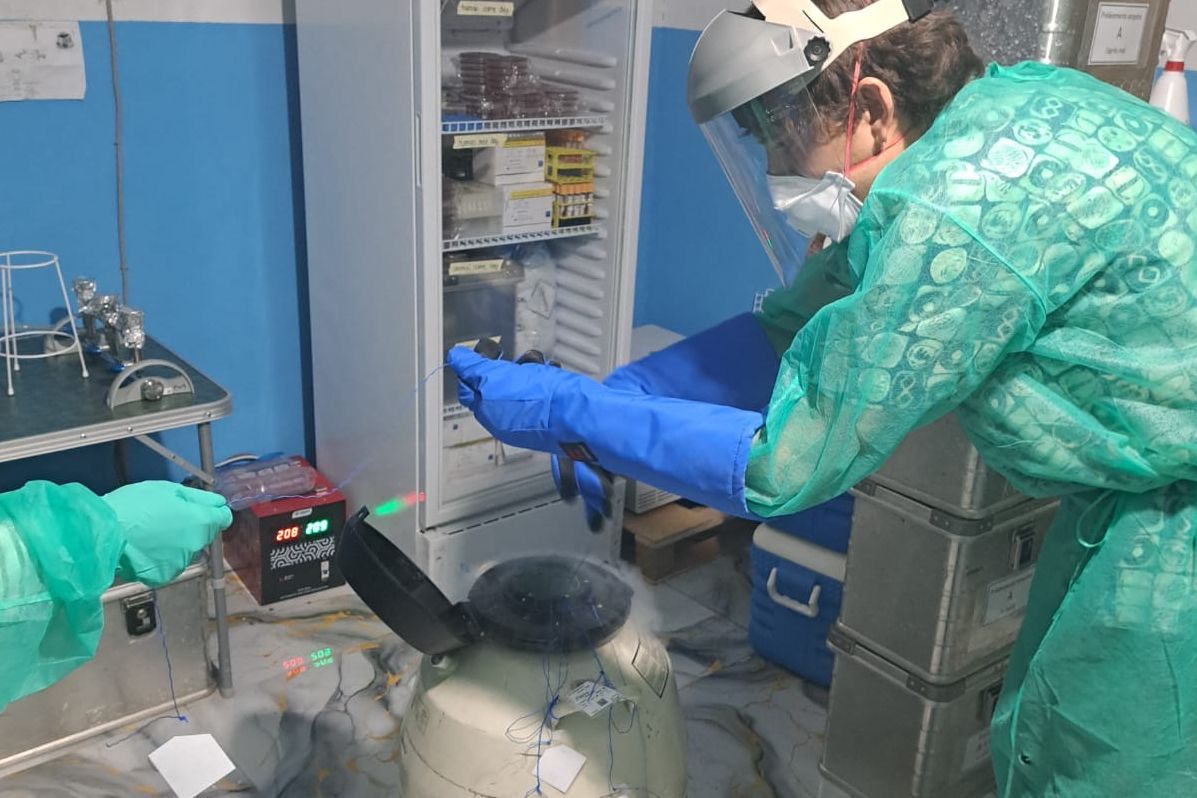
Mission accomplished! The last participant samples have now been aliquoted – divided into multiple smaller portions – in the field laboratory in Taï. In total, this marks the processing of 7,500 samples from over 1,000 human volunteers. To preserve this valuable material for future analyses, the samples were immediately frozen in liquid nitrogen, before duplicate sets were transferred to long-term storage at −80°C in both the molecular diagnostics laboratory at CHU Bouaké and the HIOH laboratory in Germany.
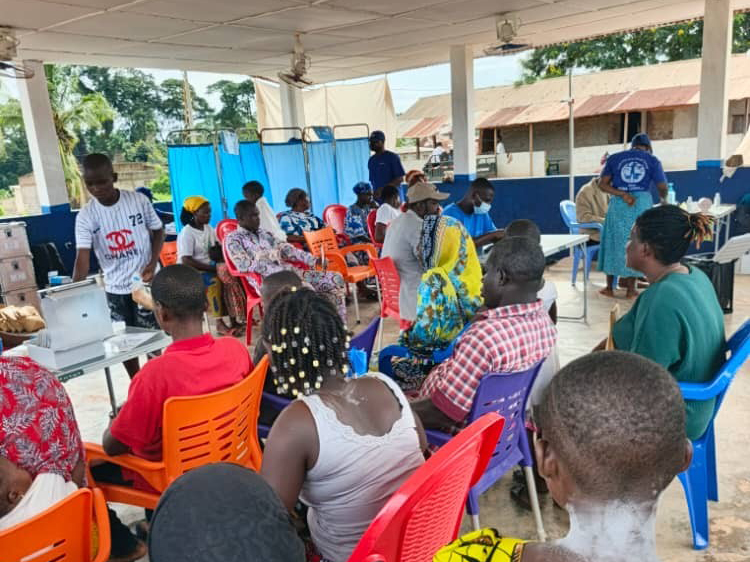
A special moment on the final day of the 2026 cohort: more than 1,000 participants have now contributed to the study through examinations and questionnaires. Thank you to all participants and local assistants who made this milestone possible!
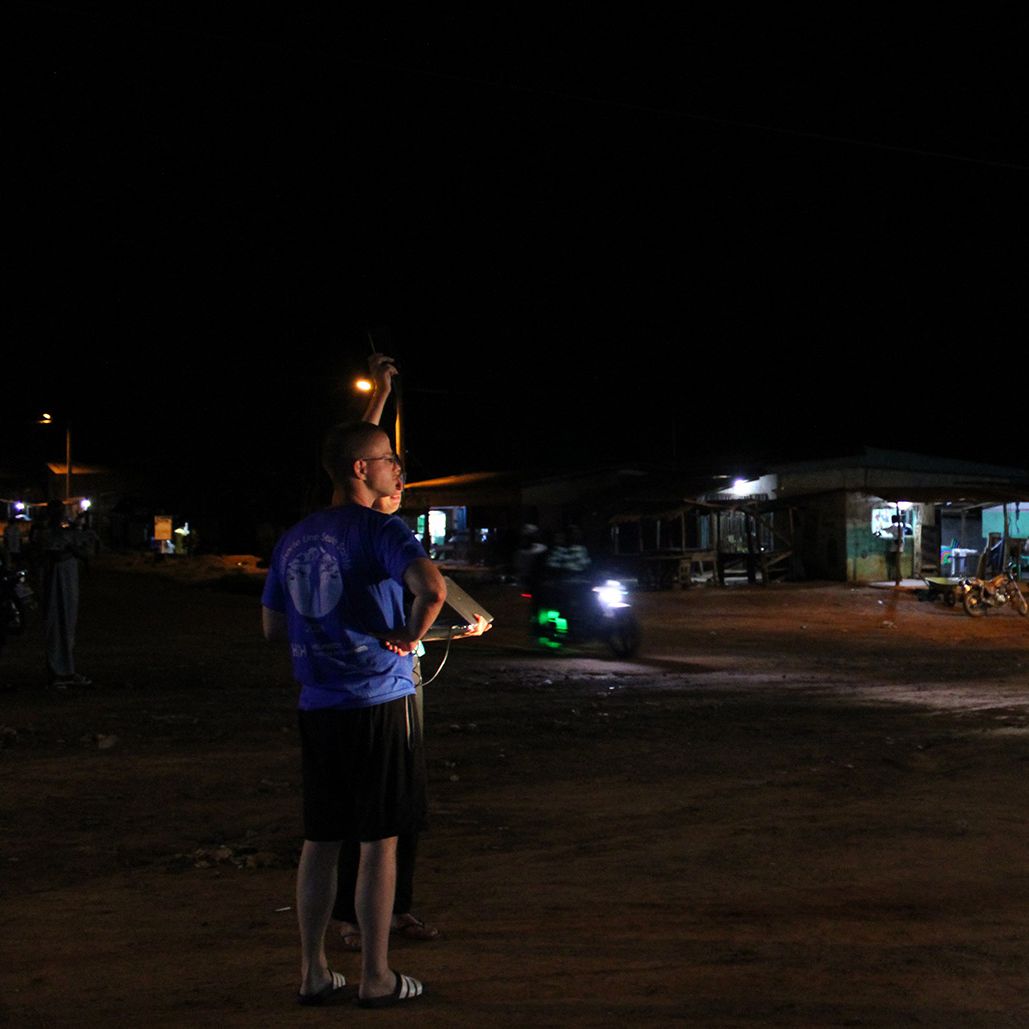

Environmental sampling also includes measuring light pollution, which is recorded at night in the participating villages. To capture long-term weather data such as temperature, precipitation, atmospheric pressure, and relative humidity, we have installed two weather stations: one on the National Park Authority’s campus and another deep in the rainforest at one of the field camps run by our collaborator, the Tai Chimpanzee Project. This provides key environmental data alongside human and animal health data.


New record: 47 participants took part in examinations and questionnaires at our examination centre in Ponan today, all in a single day! A good thing that all the teams are now experienced enough to handle such a heavy workload – both in the village and in the laboratory.
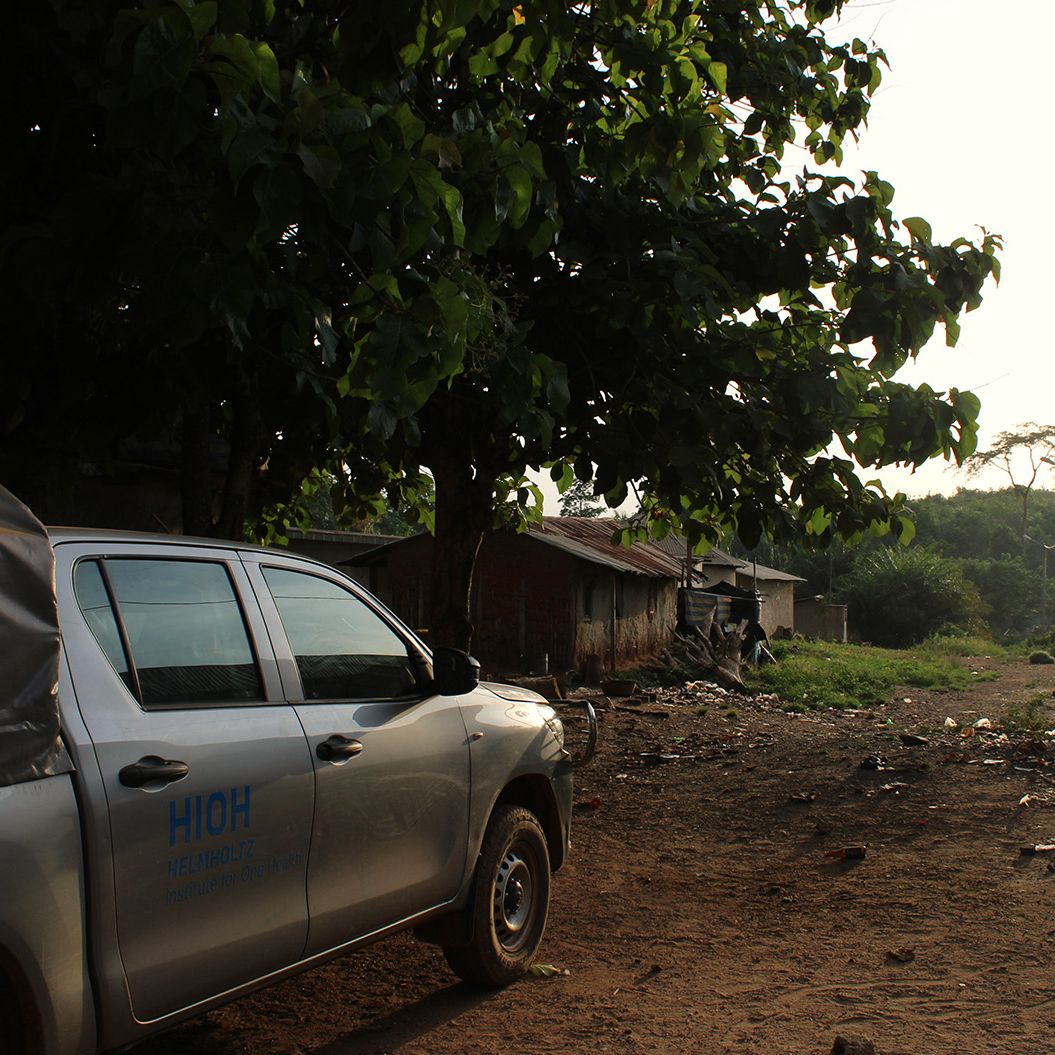
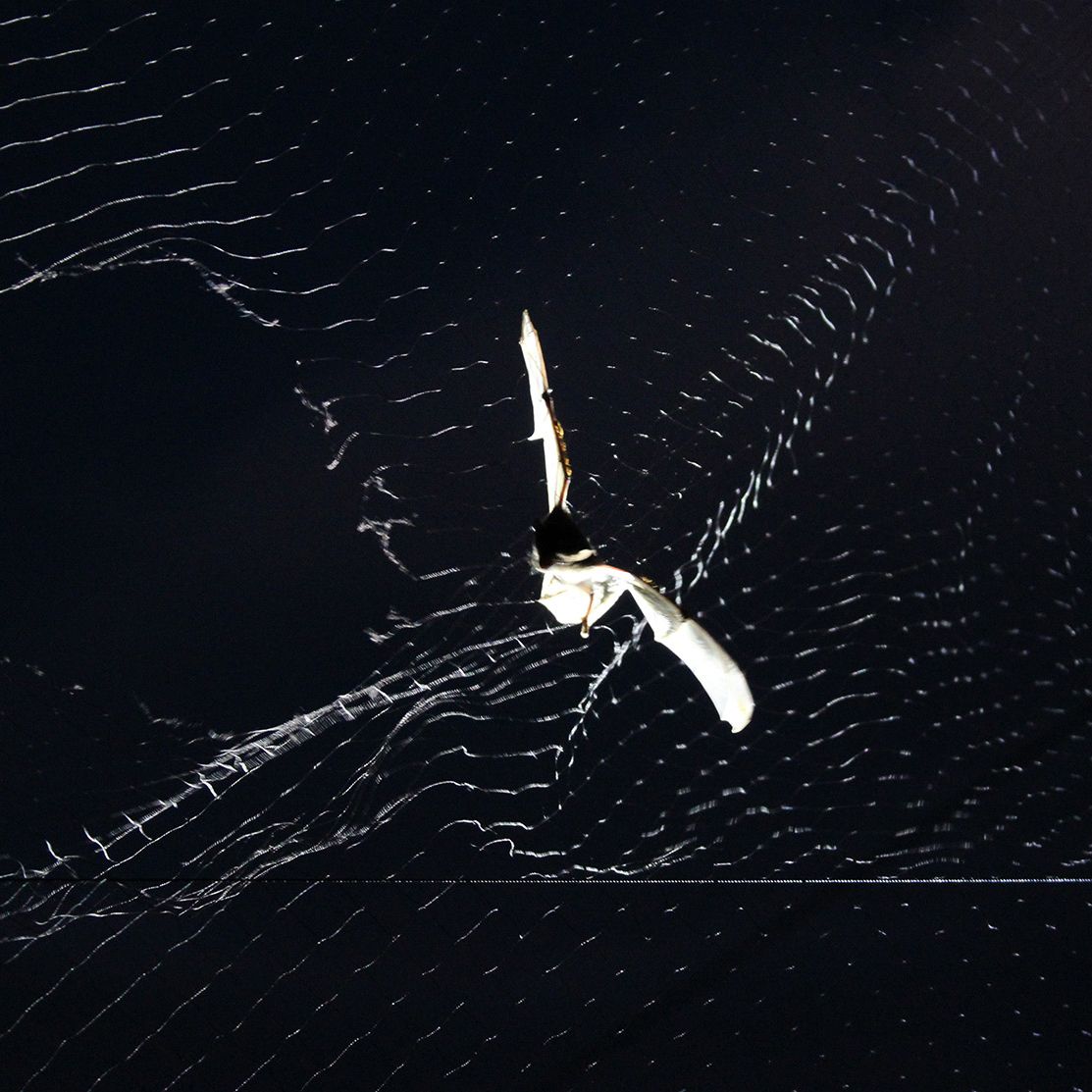
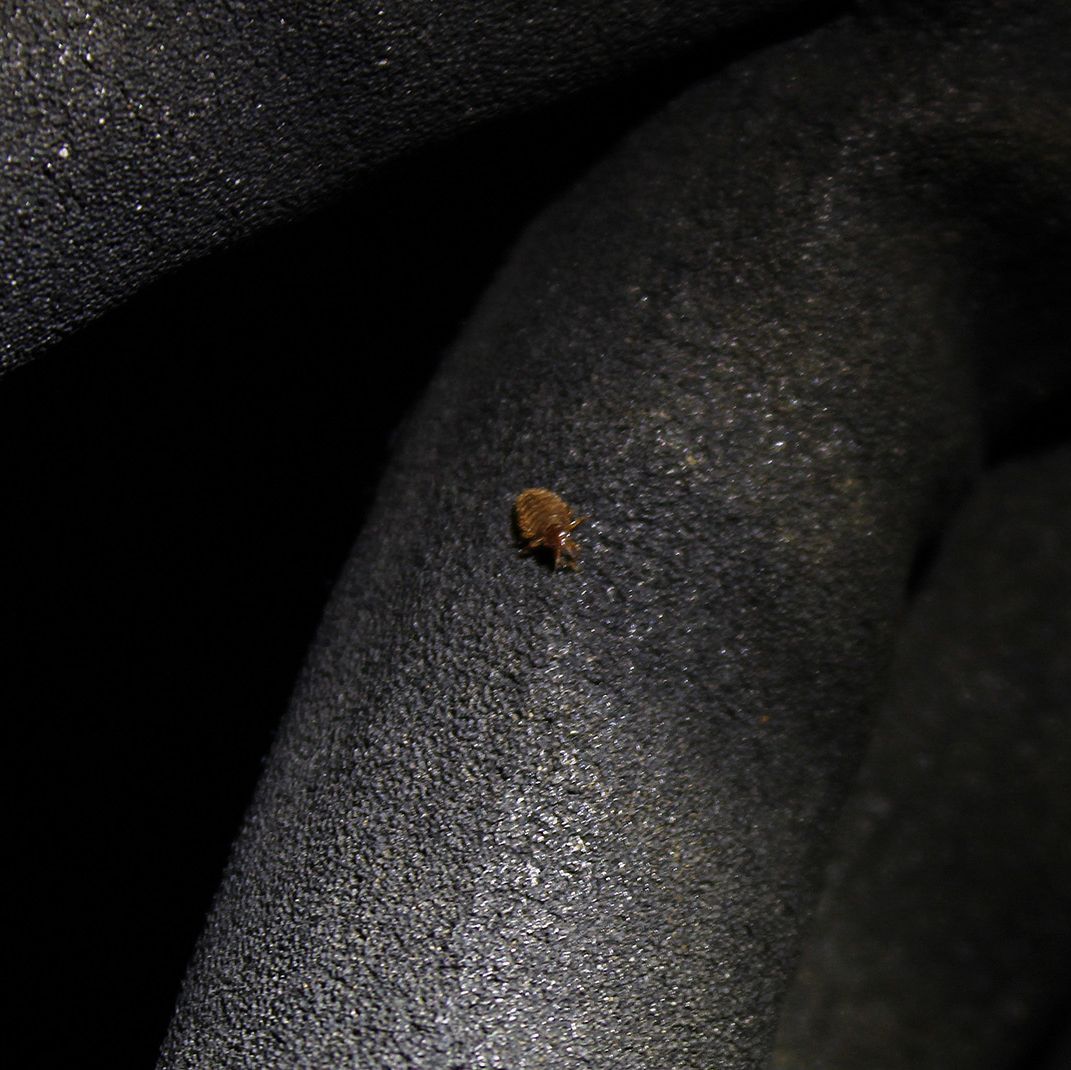
Bats are being caught and examined in the nine villages under study – this time in Ponan, the last village in the cohort. All the bats are then examined at our field laboratory in Tai, where swabs and blood samples are taken. Sometimes parasites are found on the bats; these are removed and examined as well. All the bats are subsequently released back into the wild.


The research centre in Taï, our ‘home village’. Here, various examinations are carried out, samples are taken and questionnaires are completed, all with the help of a friendly team made up of HIOH staff and local partners. Information about the cohort is available everywhere.
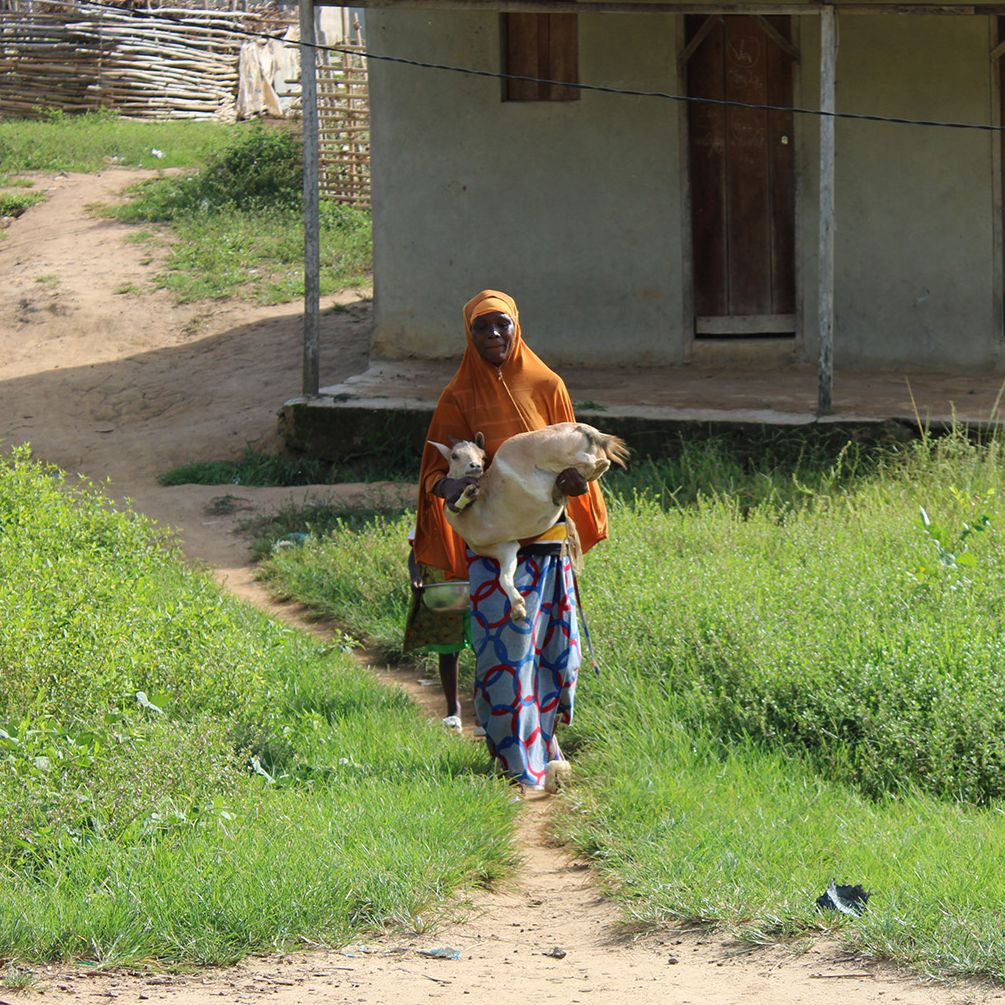
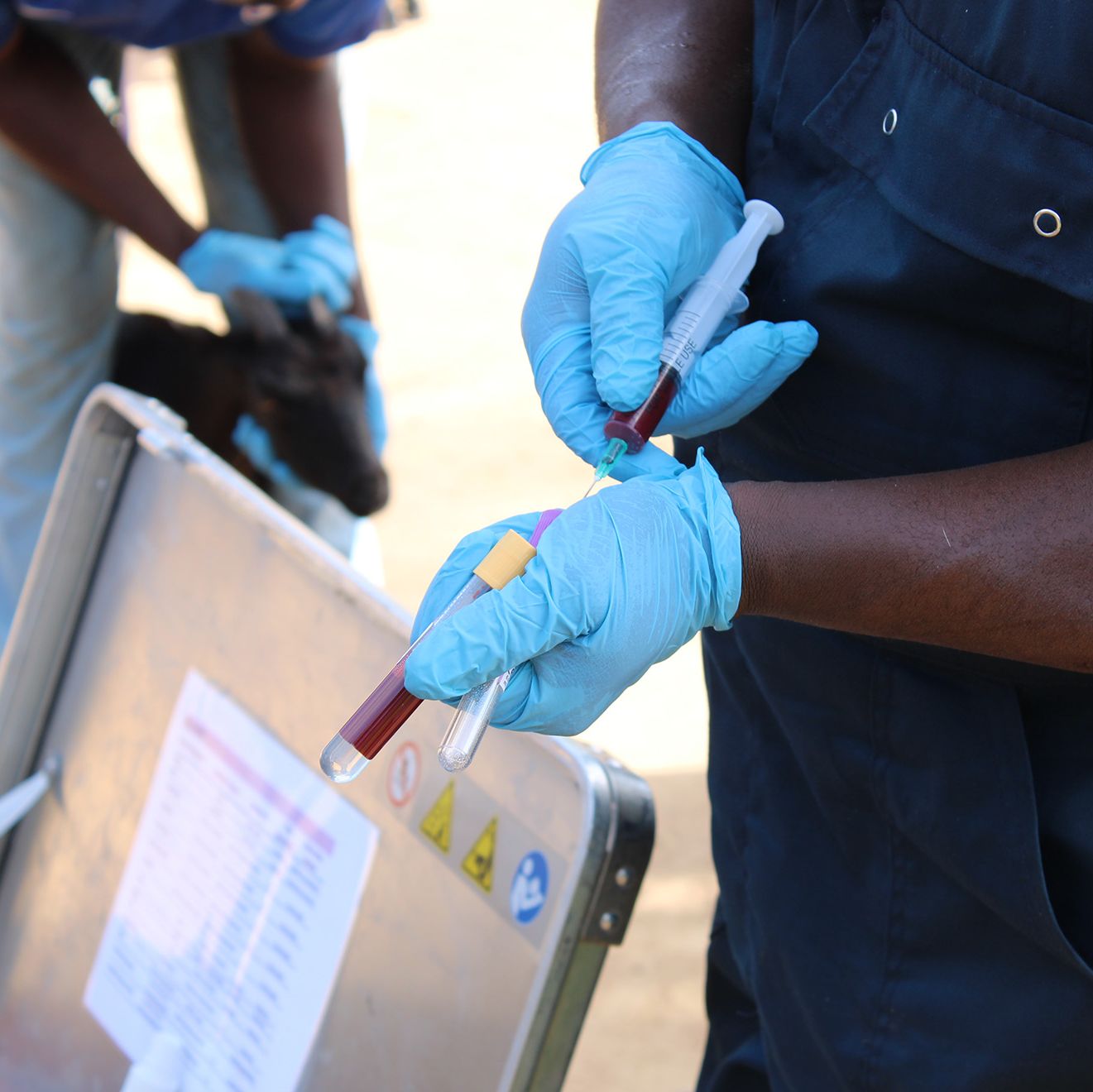
This time, the veterinary team was working in Daobly, the penultimate village in the cohort. Samples were taken from numerous farm animals and pets.

The laboratory receives new samples from the various teams several times a day. Here, the samples are aliquoted for the biobanks in Bouaké and Greifswald. In addition, several testsare carried out on site and results directly given back to the participants: blood cell count, urine analysis and three clinical chemistry parameters (creatinine for kidney function, and gamma-GT and GPT for liver function). To date, more than 700 urine samples have been analysed in the laboratory.


Sampling around Taï: Soil samples were taken both from the Cavally River and in the village itself. The river forms the border between Côte d'Ivoire and Liberia. It is currently the rainy season and thunderstorms are a daily occurrence.
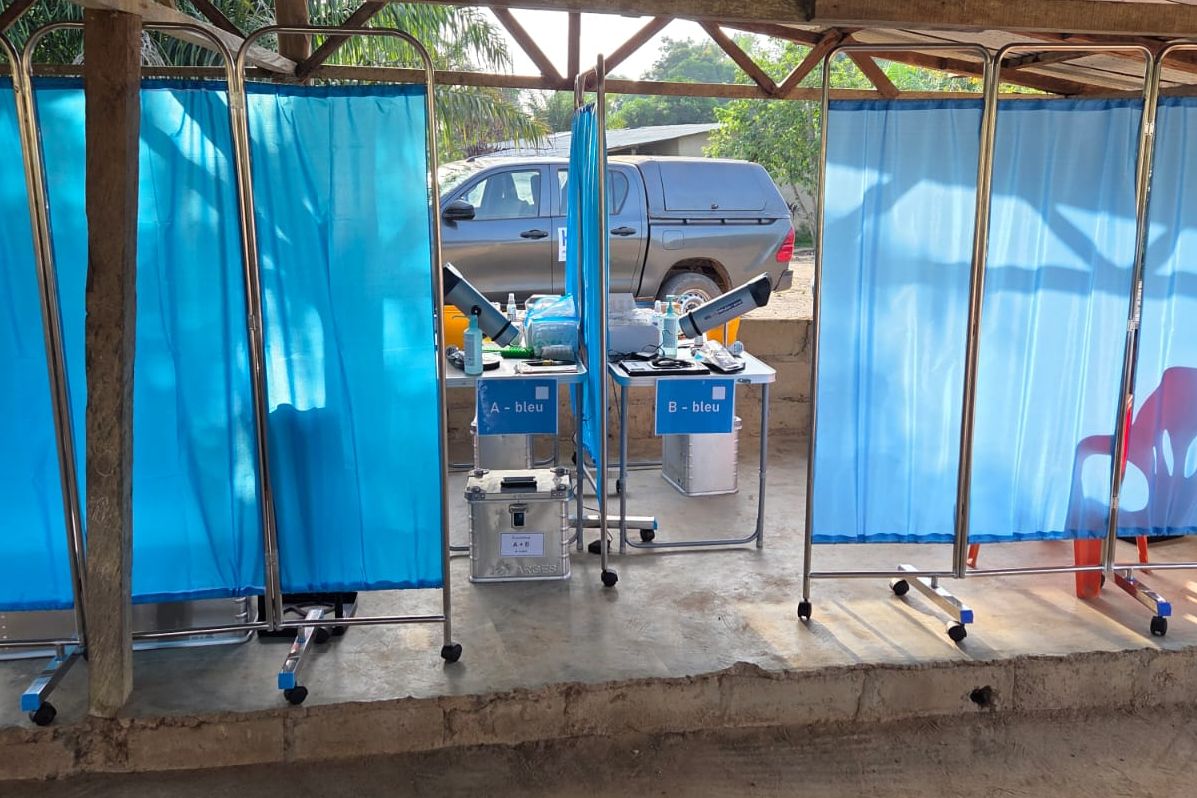
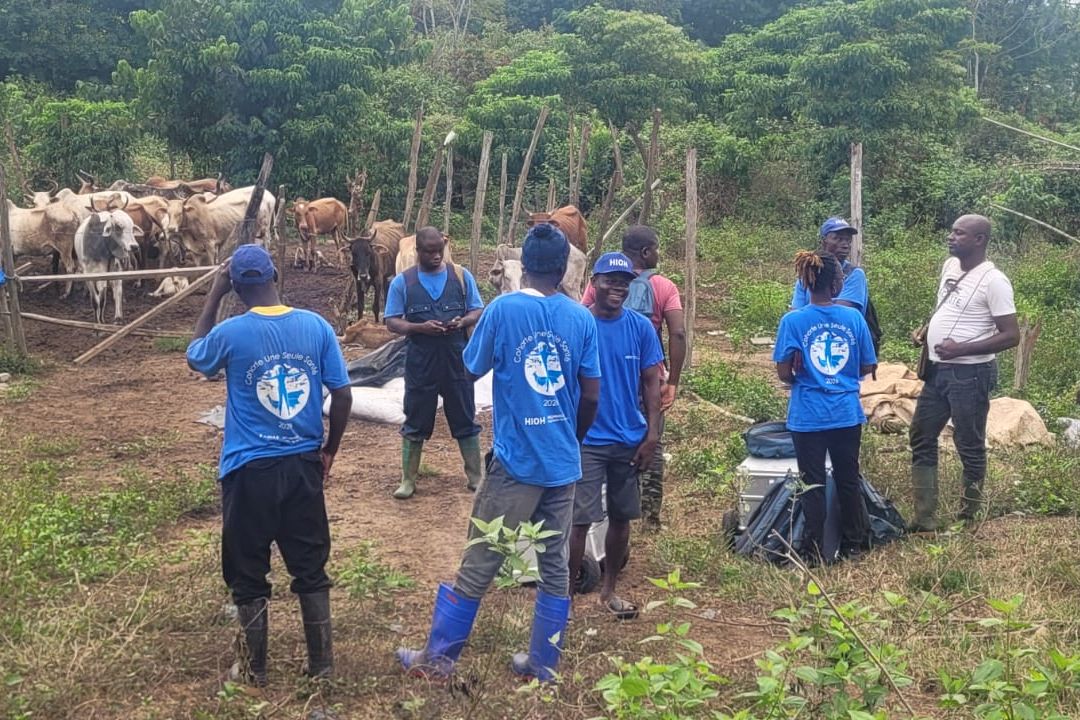
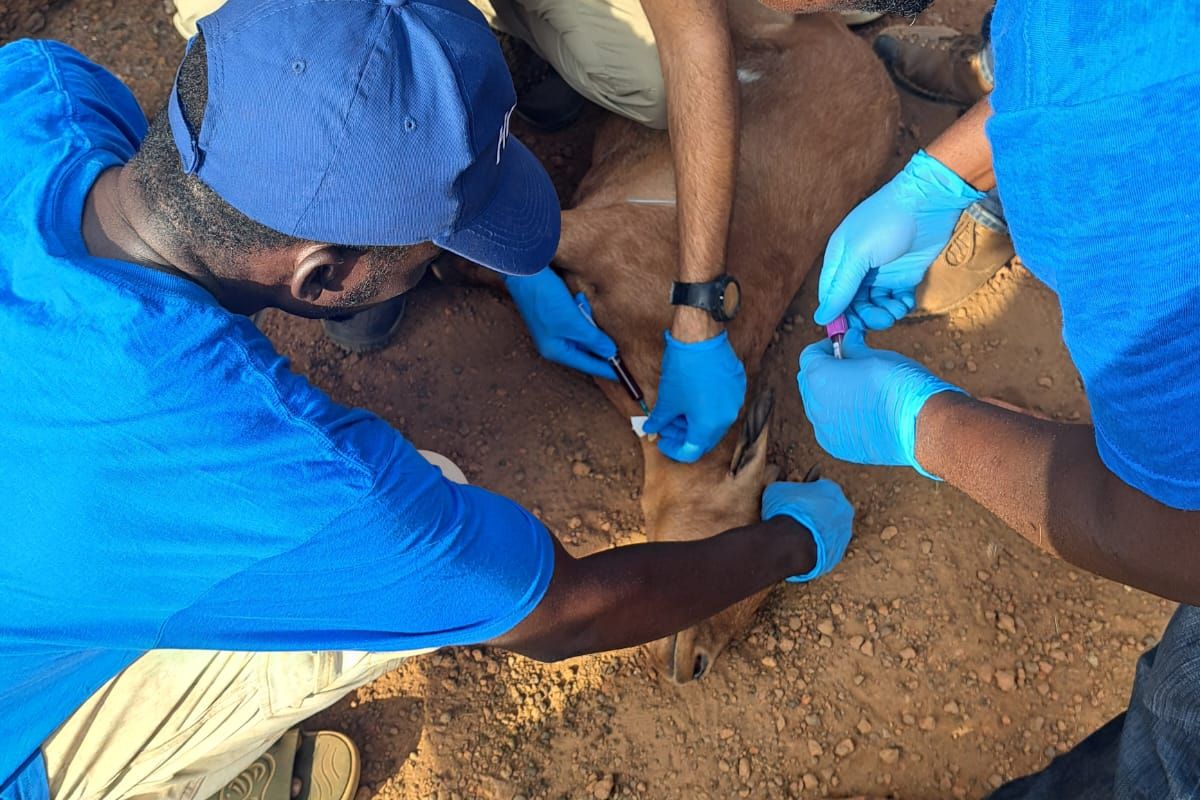
Livestock and domestic animal sampling continues in Keibly. Larger herds of cattle are more common here than in the other participating villages.
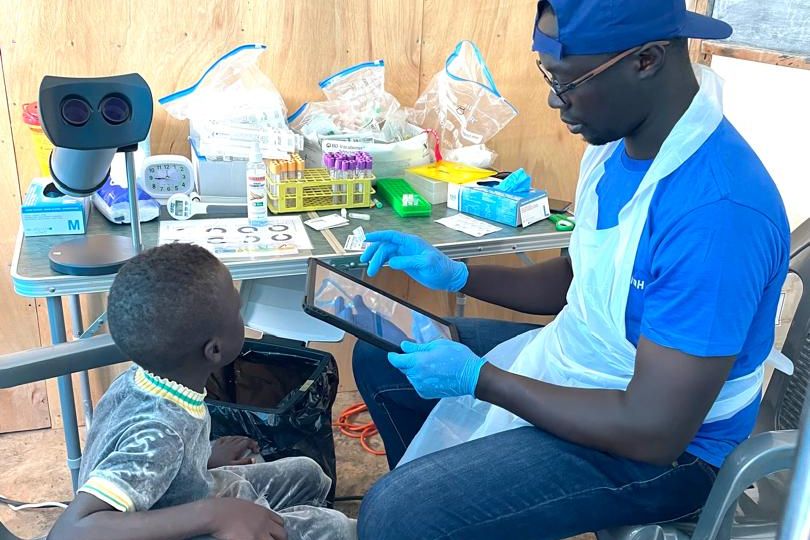
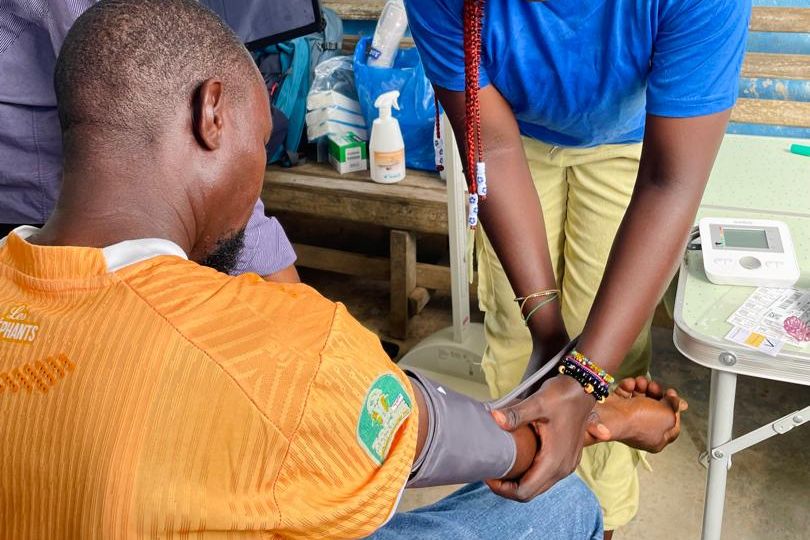
Keibly is the largest village taking part in the study and at the same time the village with the biggest distance to the field lab.Despite the logistical challenge for the team, work here has begun in good spirits. In the temporary examination center sample collection, eye tests, blood pressure measurements, spirometry, pulse oximetry, measurements of weight and height,as well as questionnaires, take place. In Keibly examinations are being conducted among 415 participants out of a total population of 10,014 inhabitants.
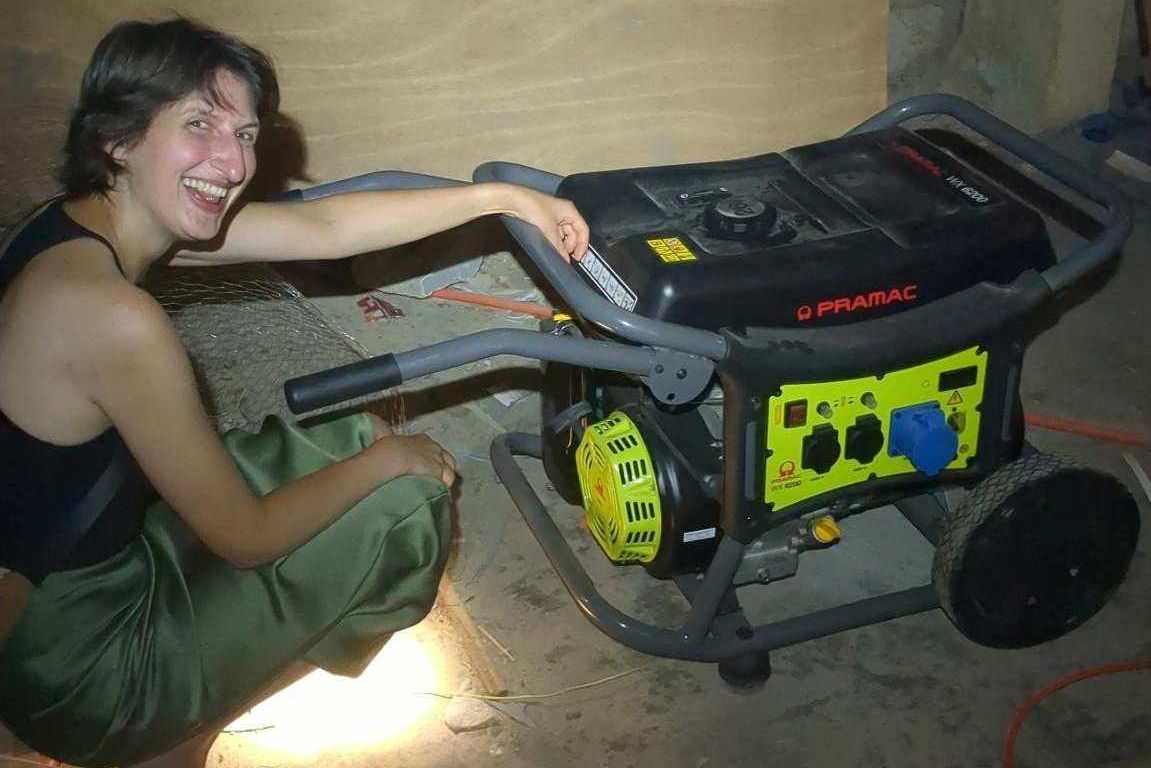
As the rainy season is gradually starting, bringing additional challenges, power outages are more and more frequent. The laboratory is therefore connected to a generator, allowing all devices to be operated, when public electricity fails.
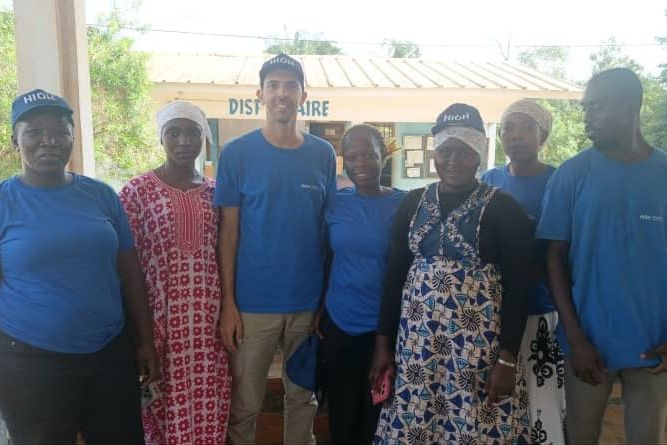
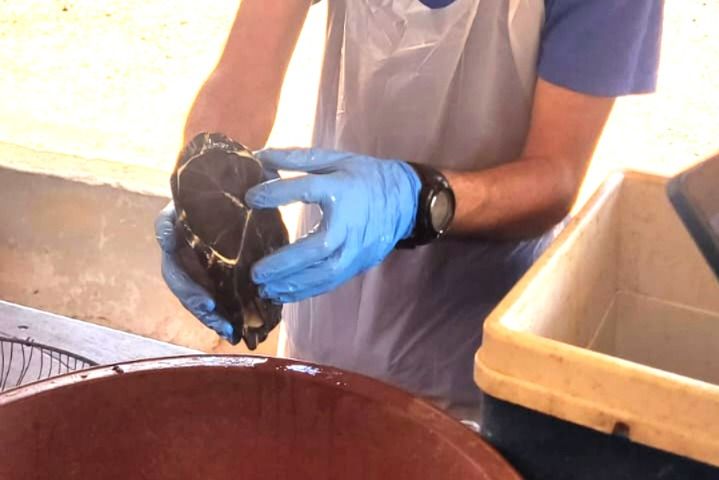
Our coordinator Filipe with a part of the staff from the temporary examination center in Zaipobly. Here too, additional environmental monitoring was carried out, and samples were taken from rodents, bats, domestic and farm animals – the second photo captures Filipe taking a sample from a tortoise. Zaipobly, 5th village – completed!
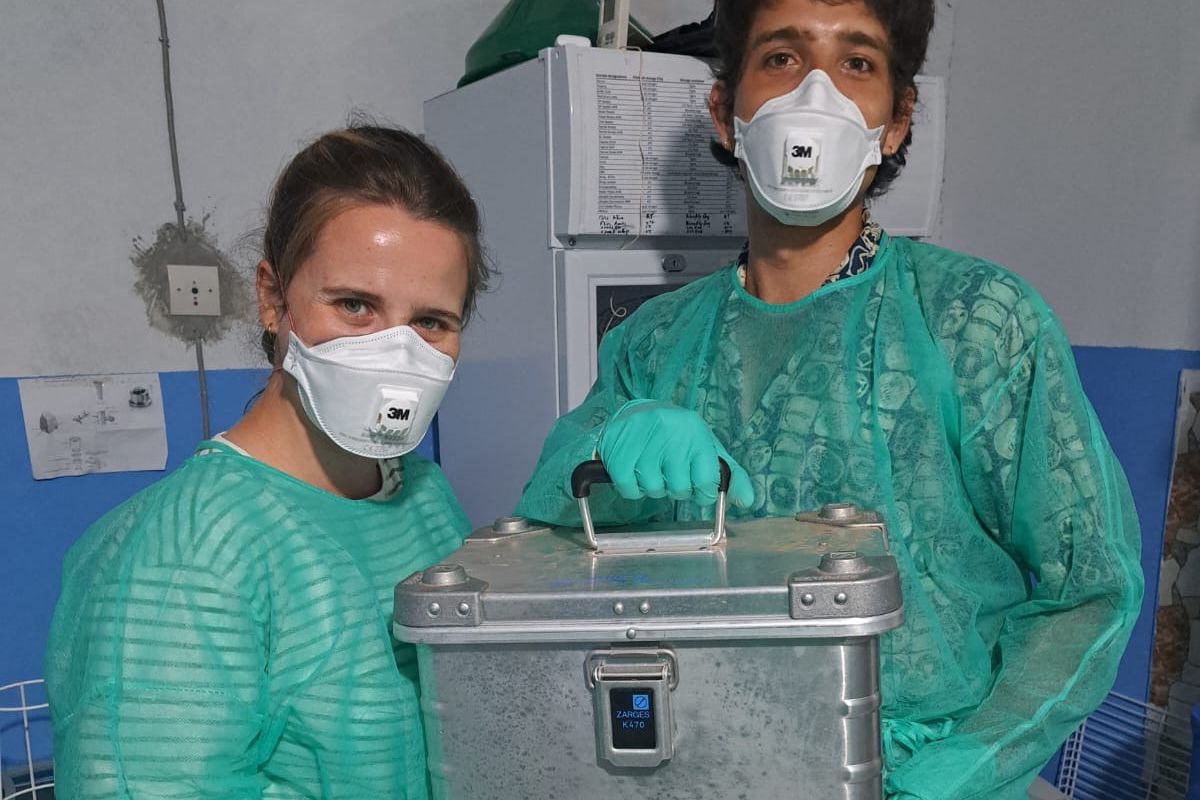
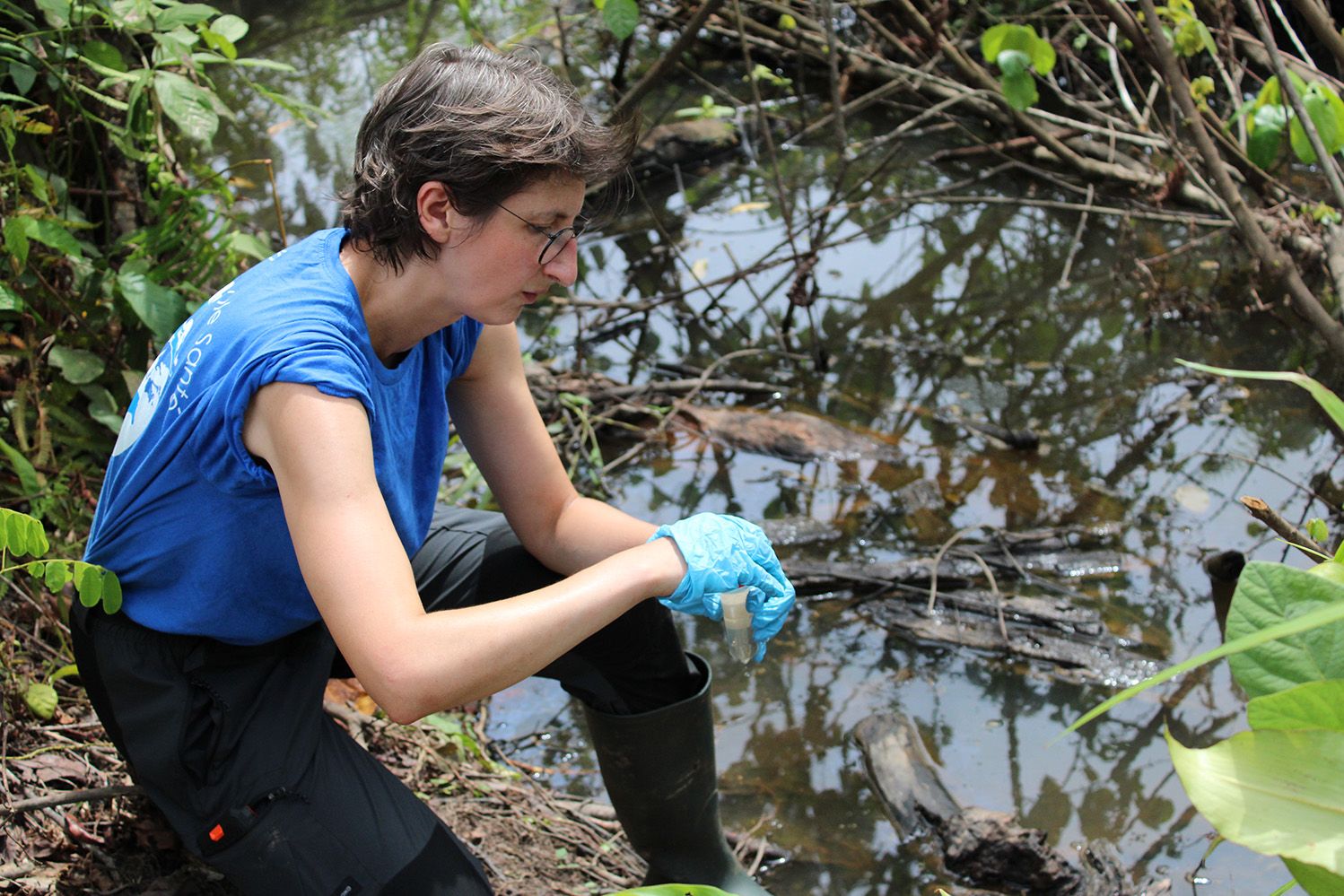
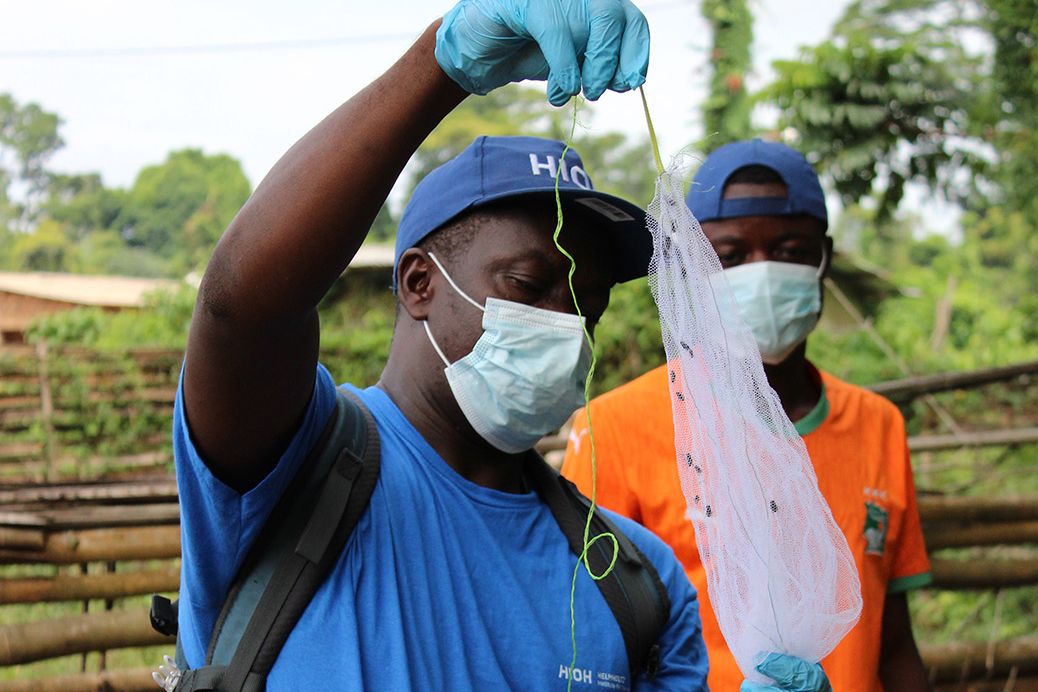
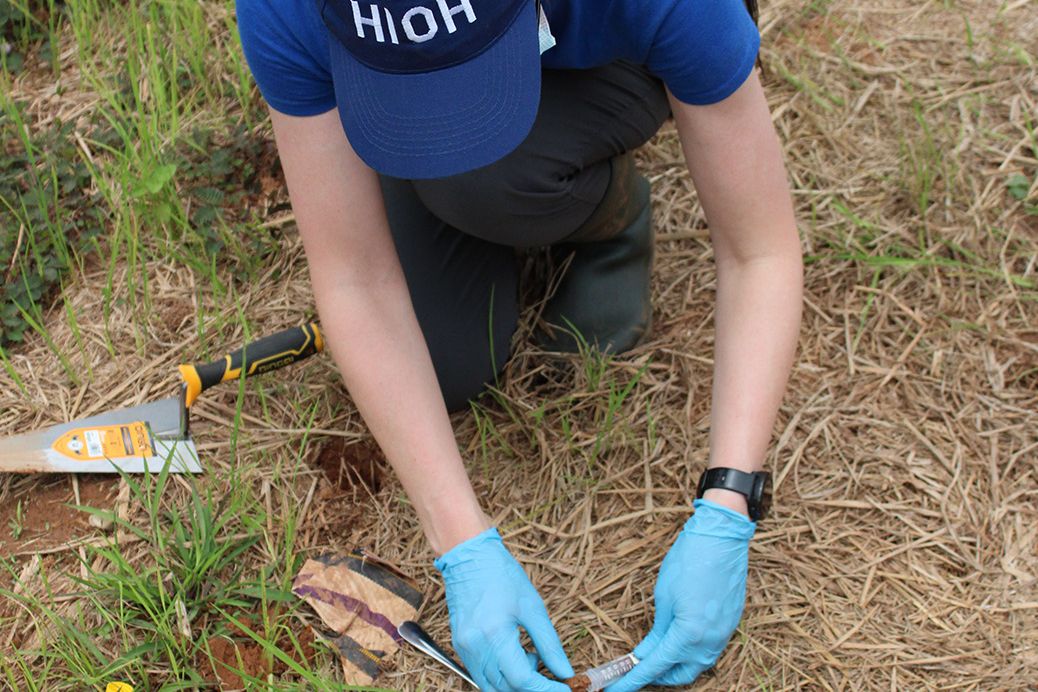
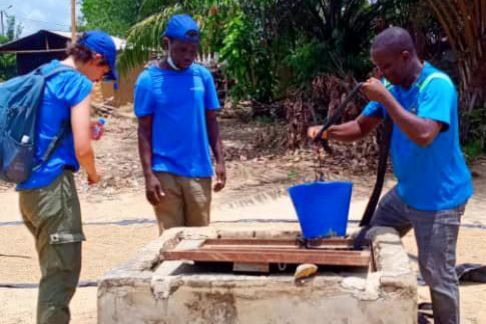
As part of the environmental monitoring, Jasmin is collecting water samples in Gouléako, while Olivier and focal point René are trapping flies and Jesselyn adds soil samples.
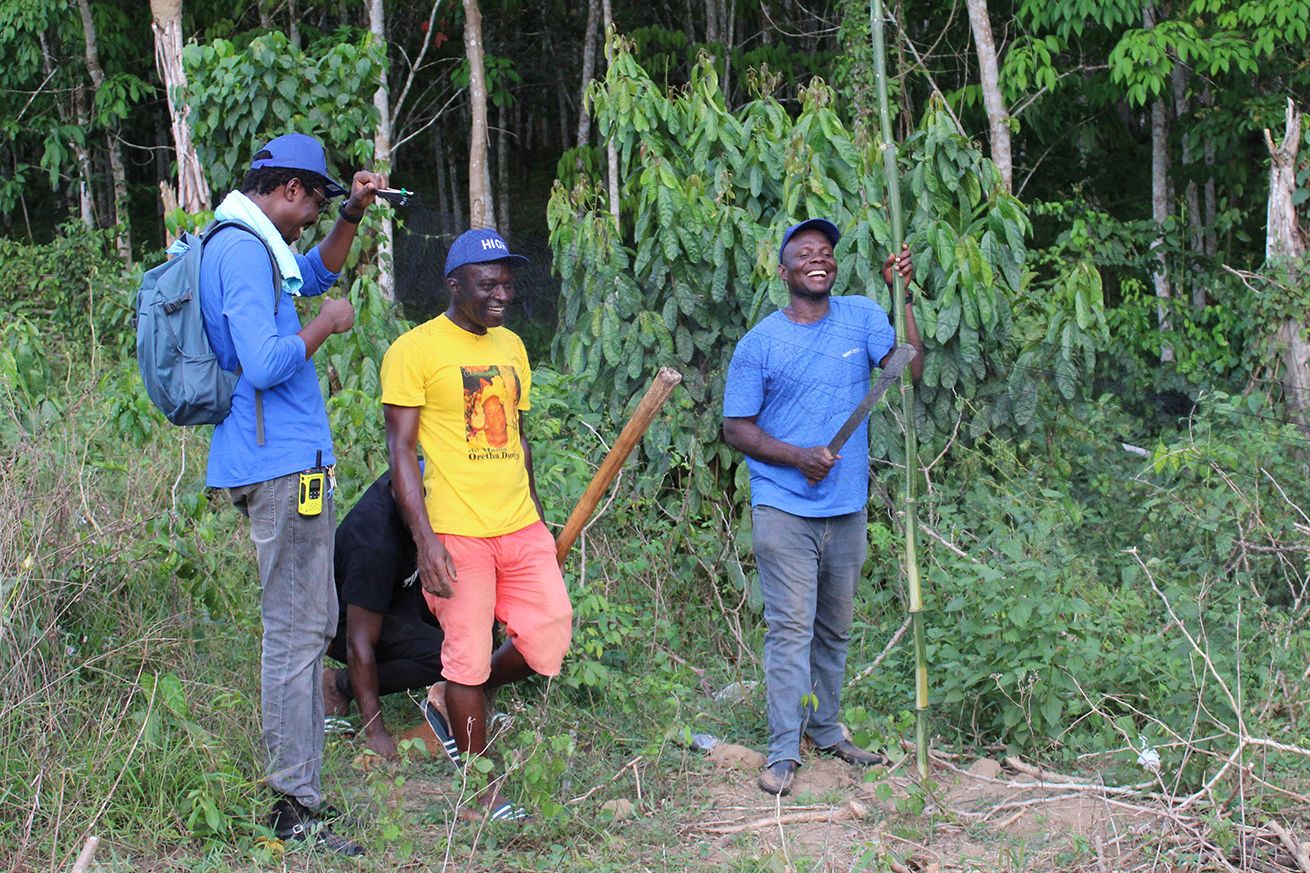
Bat trapping: Léonce and Ayé, joined by focal points Pâcome and D’Avila of the Small Mammal and Environment Team, prepare and install a mist net in Gouléako, third village taking part in the study. Bats and rodents are sampled three nights per week throughout the study.

Impressions from the lab team: Preparing the samples from the first round of participants. Later the samples will be tested for various pathogens at CHU Bouake and HIOH.

The ‘Small Mammals and Environment’ team has begun work in Paulé-Oula. They are trapping rodents and bats in households, swabbing surfaces at points of contact between humans and animals within homes, and catching flies to monitor biodiversity, and collecting water samples to test for antibiotic resistance.
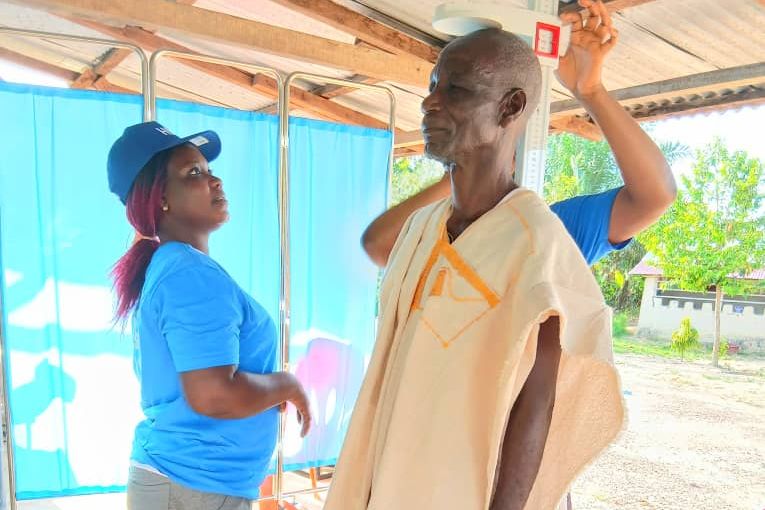
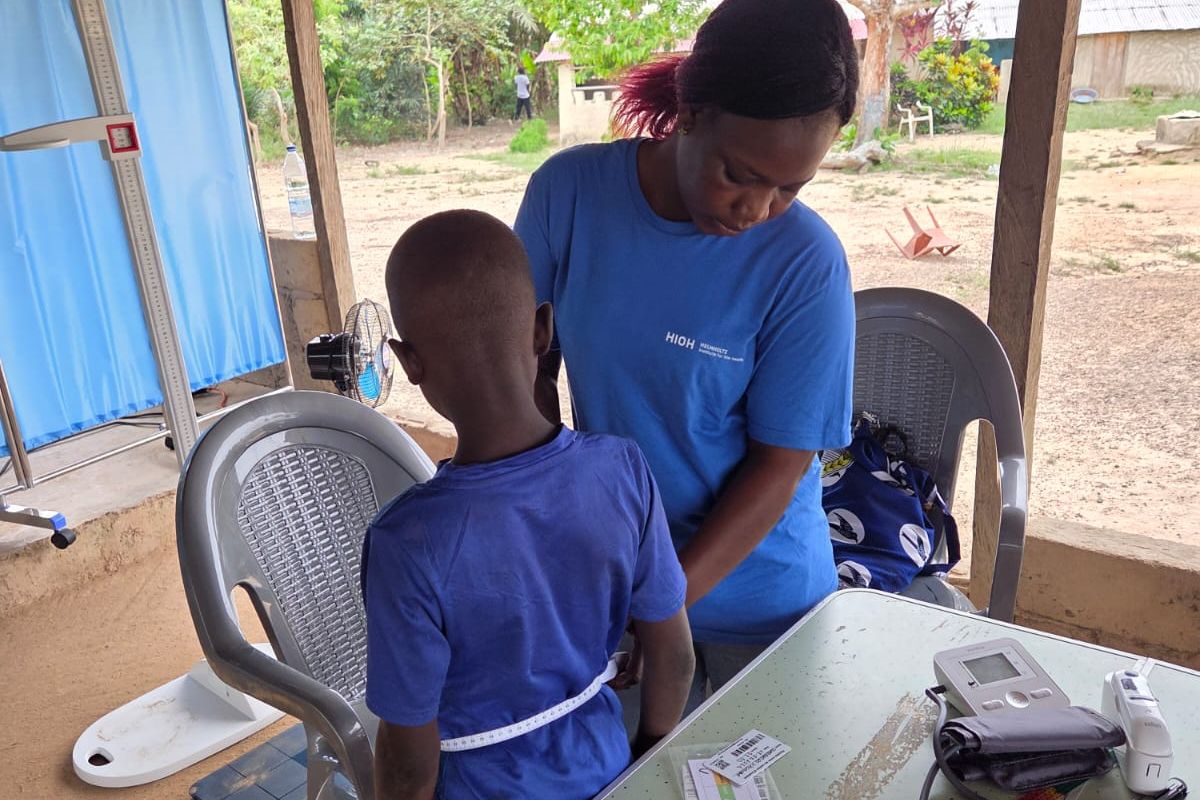
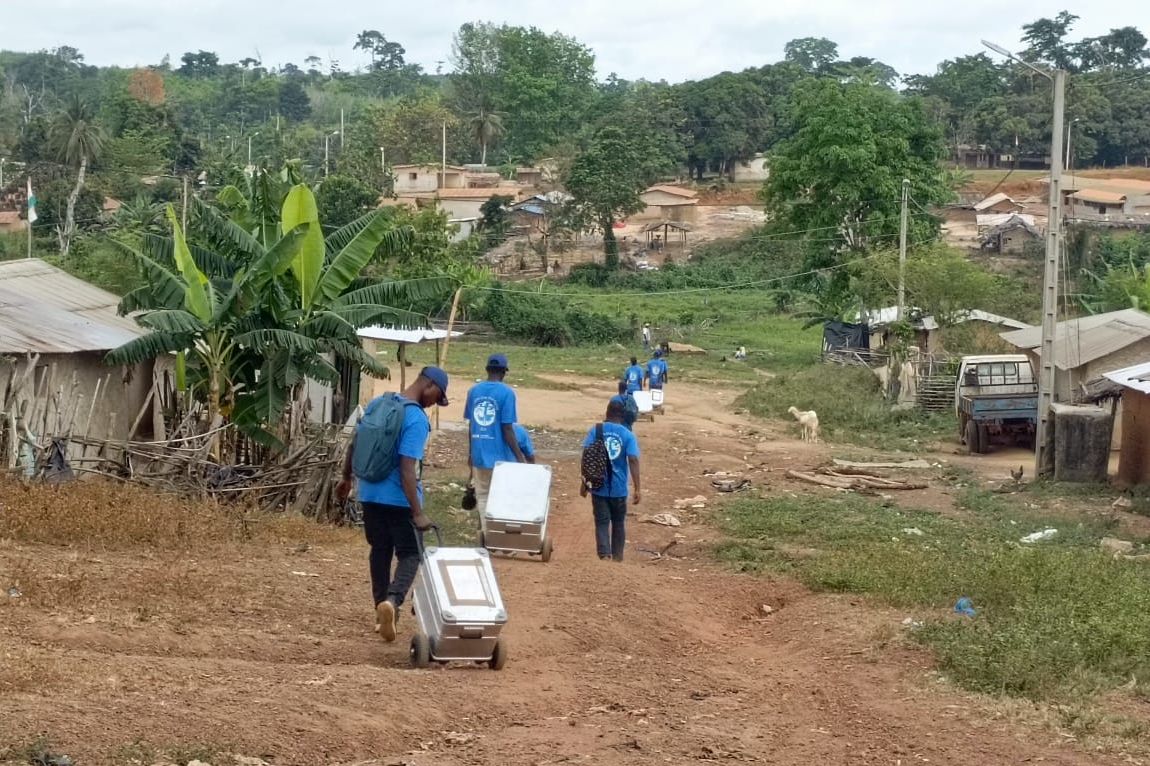
The big day! Three cars are loaded with all the materials for the examination center and veterinary and environment teams. We’ve gotten started – here are some impressions from the examination center.
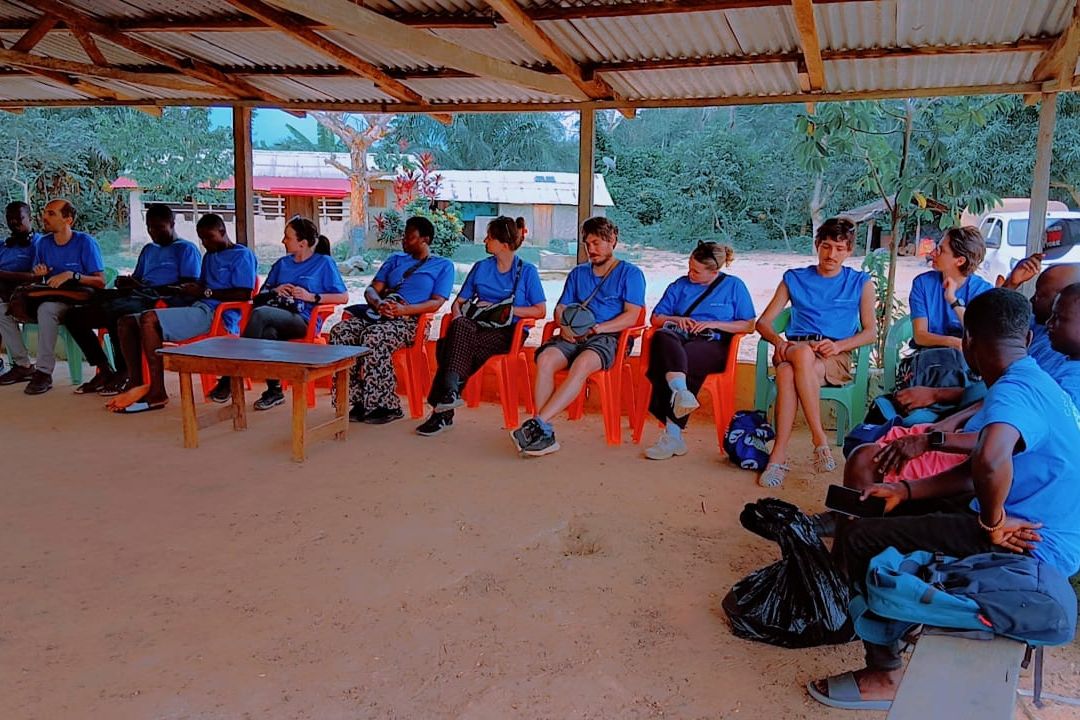
Today we visited Paulé-Oula to organize the start of the Cohort. This will be the first village where we will set up the full cohort program including:
Examination Centre (human module)
Mobile vet examinations (domestic animal module)
Small mammal sampling
Environmental sampling
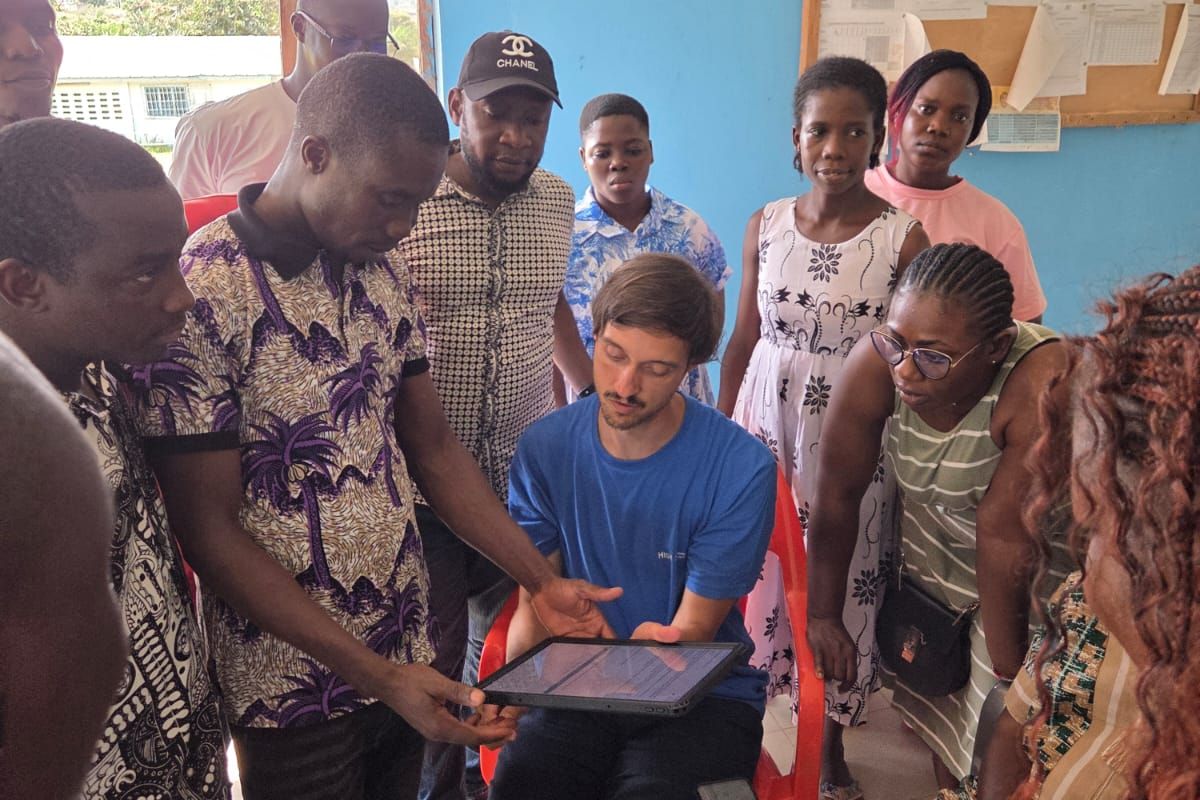
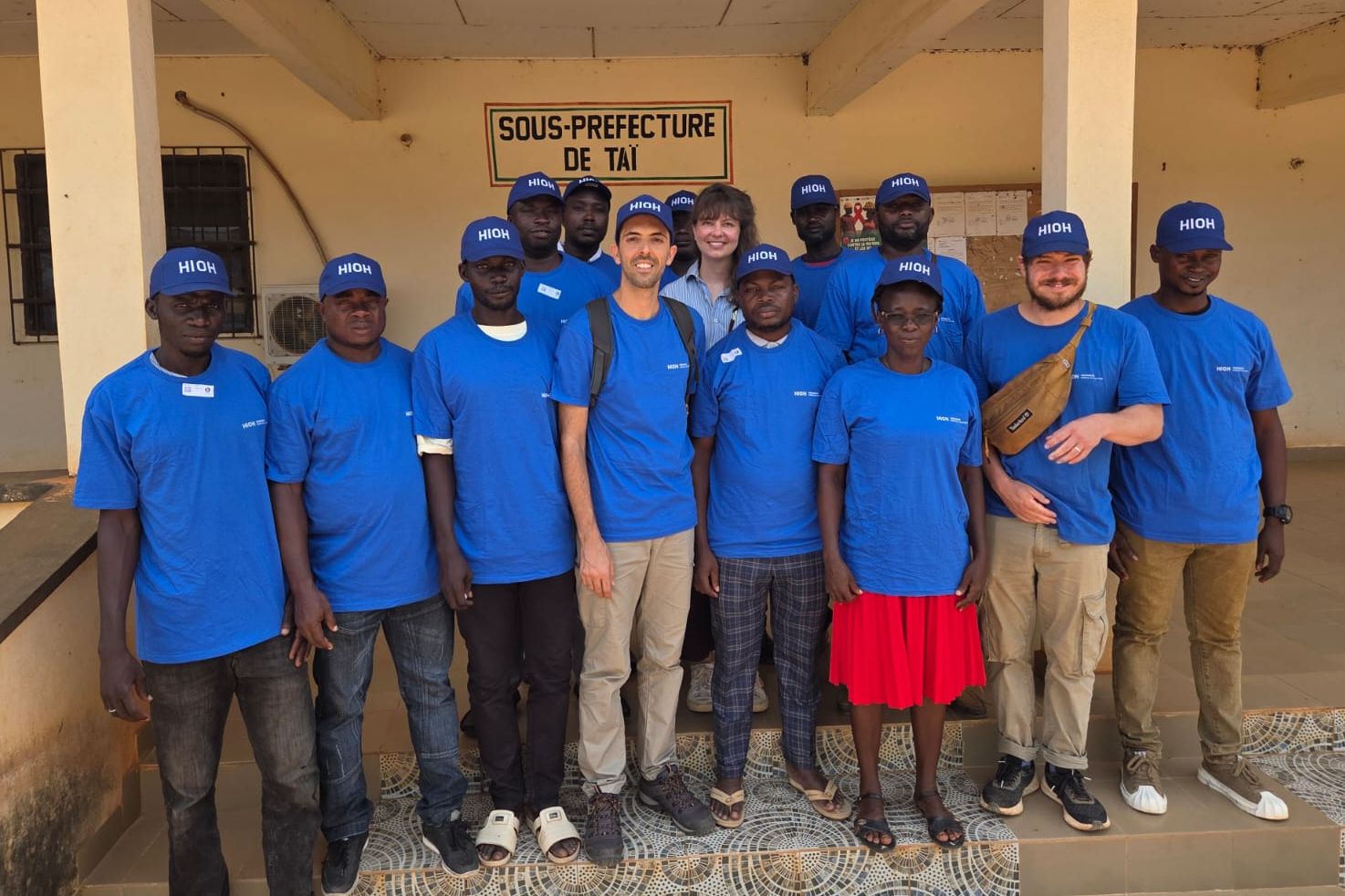
Training was provided for both the medical staff working in the examination centers and the veterinary teams, including all team members (nurses, veterinarians, assistants and enumerators).
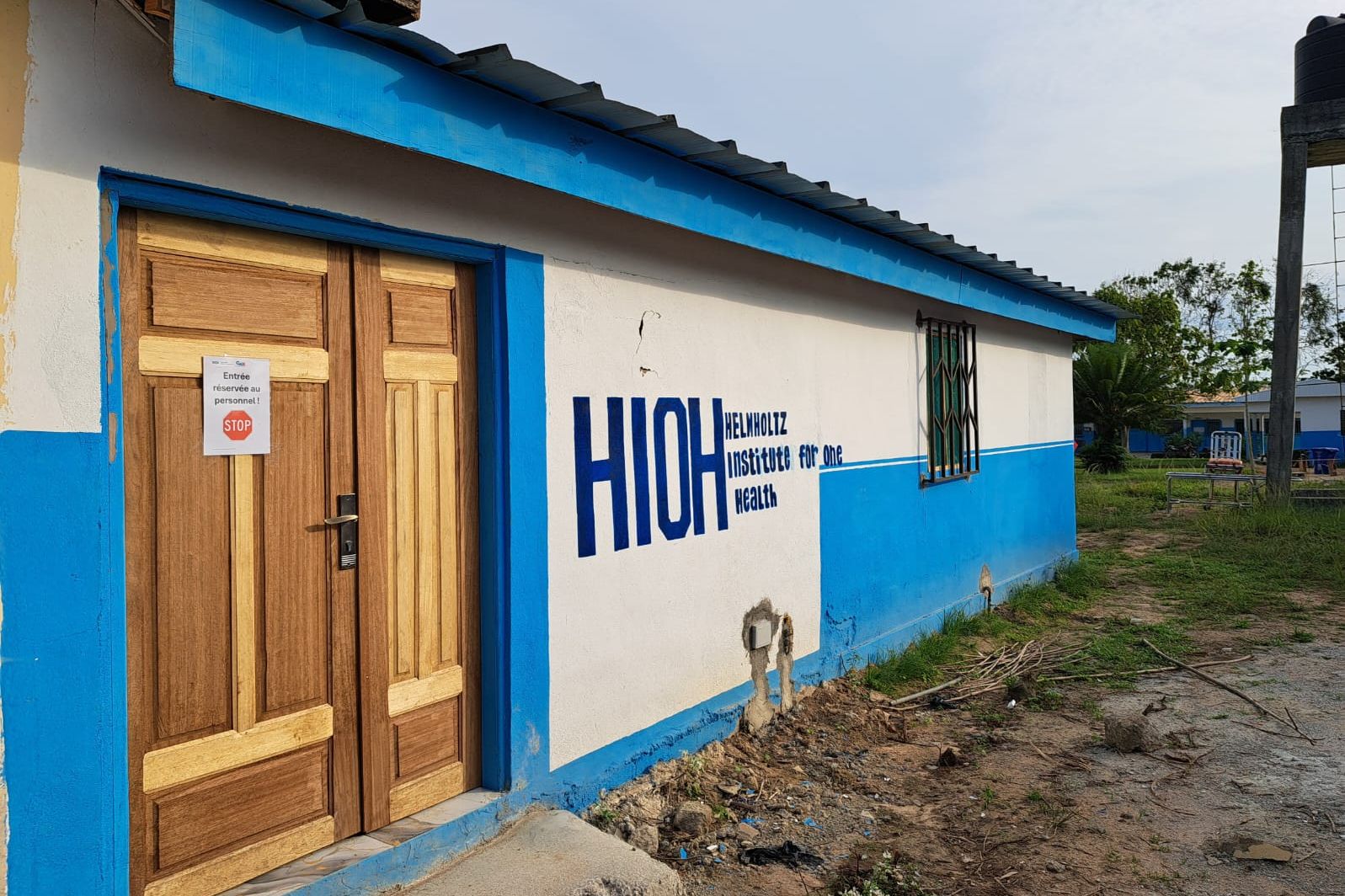
Here can you see the new field lab in Taï that was set up in partnership with the Direction Départementale de Santé.
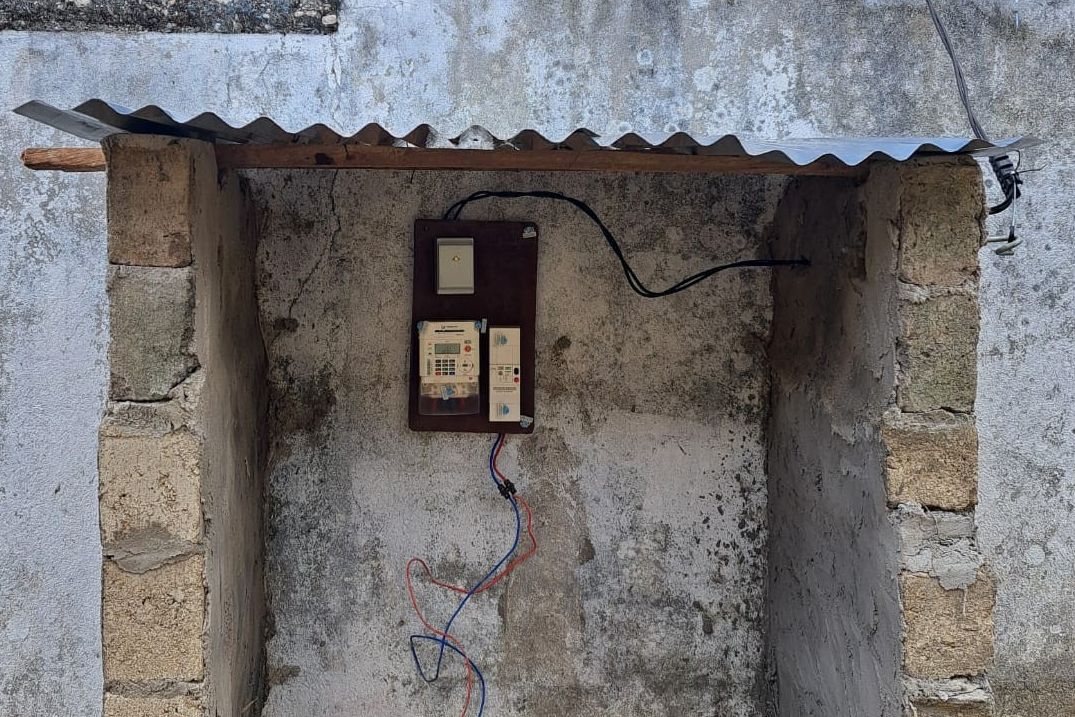
Our electricity system for the HIOH lab is ready now to support all devices for the analysis of human, animal, and environmental samples.

The enumerators (questionnaire team) spread out to the households to conduct the surveys and recruit participants.

Cleaning the rodent traps – also part of the job. Using live traps, we can safely capture the animals, take minimally invasive samples, and then release them again.

Getting the field lab ready! Before the first samples are processed, everything is tidied up and prepared. To make this possible, HIOH previously renovated the premises in collaboration with the local hospital and set up its own laboratory on site.

Community members, local authorities, and the HIOH cohort team met today in Taï for a stakeholder workshop on human-wildlife interactions, focused on the importance of ongoing engagement to prevent zoonotic diseases – the Ivorian press already reported on the event.
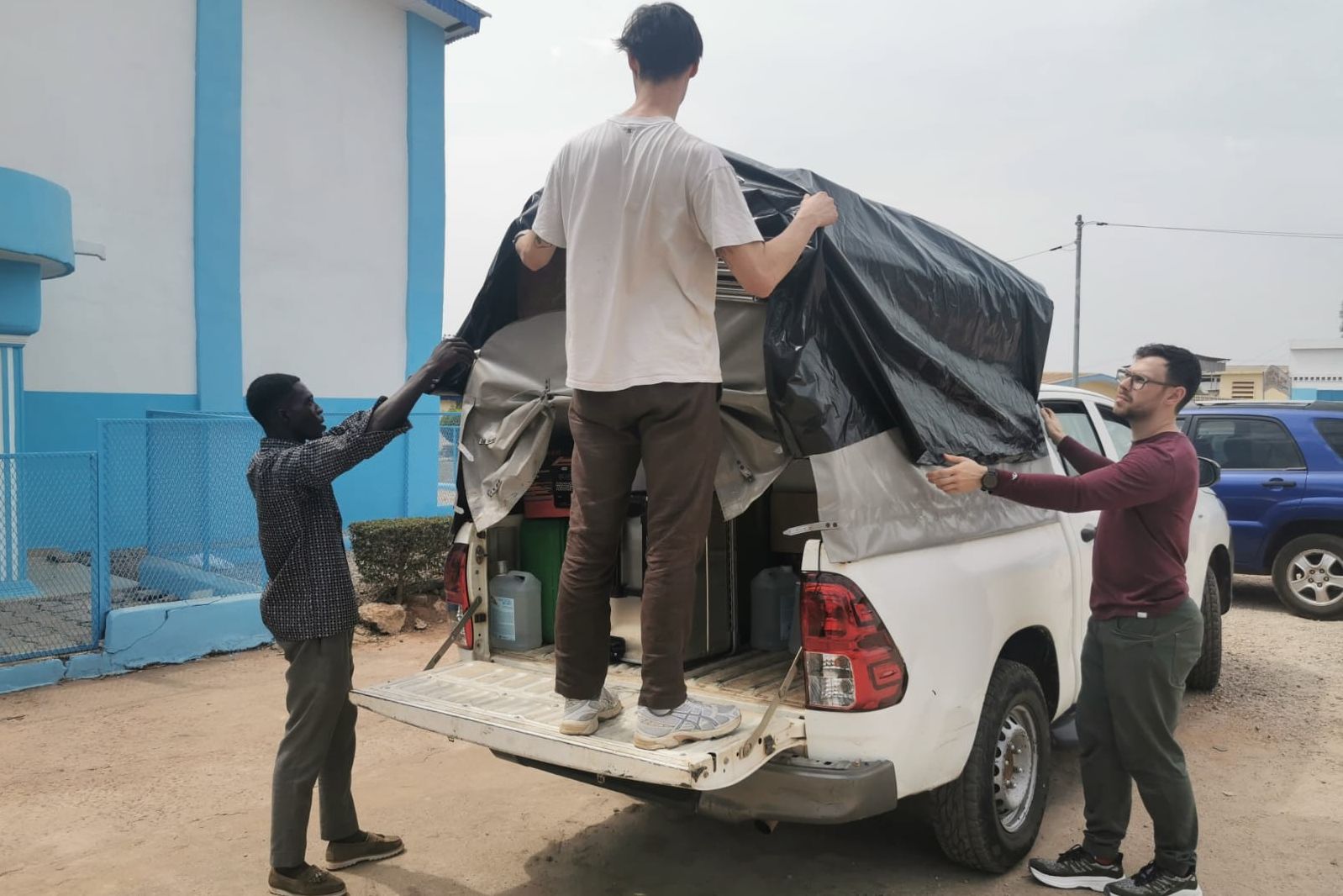
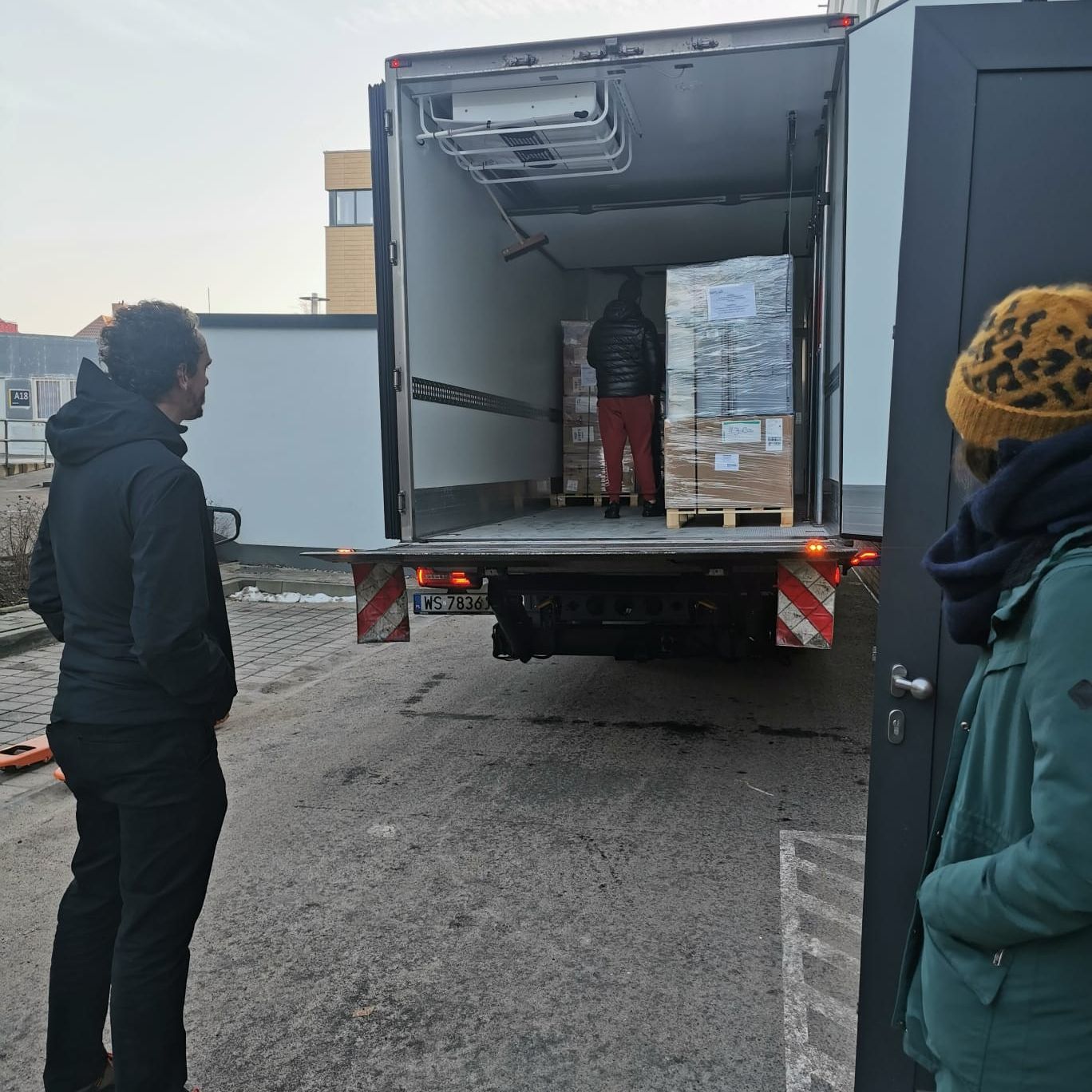
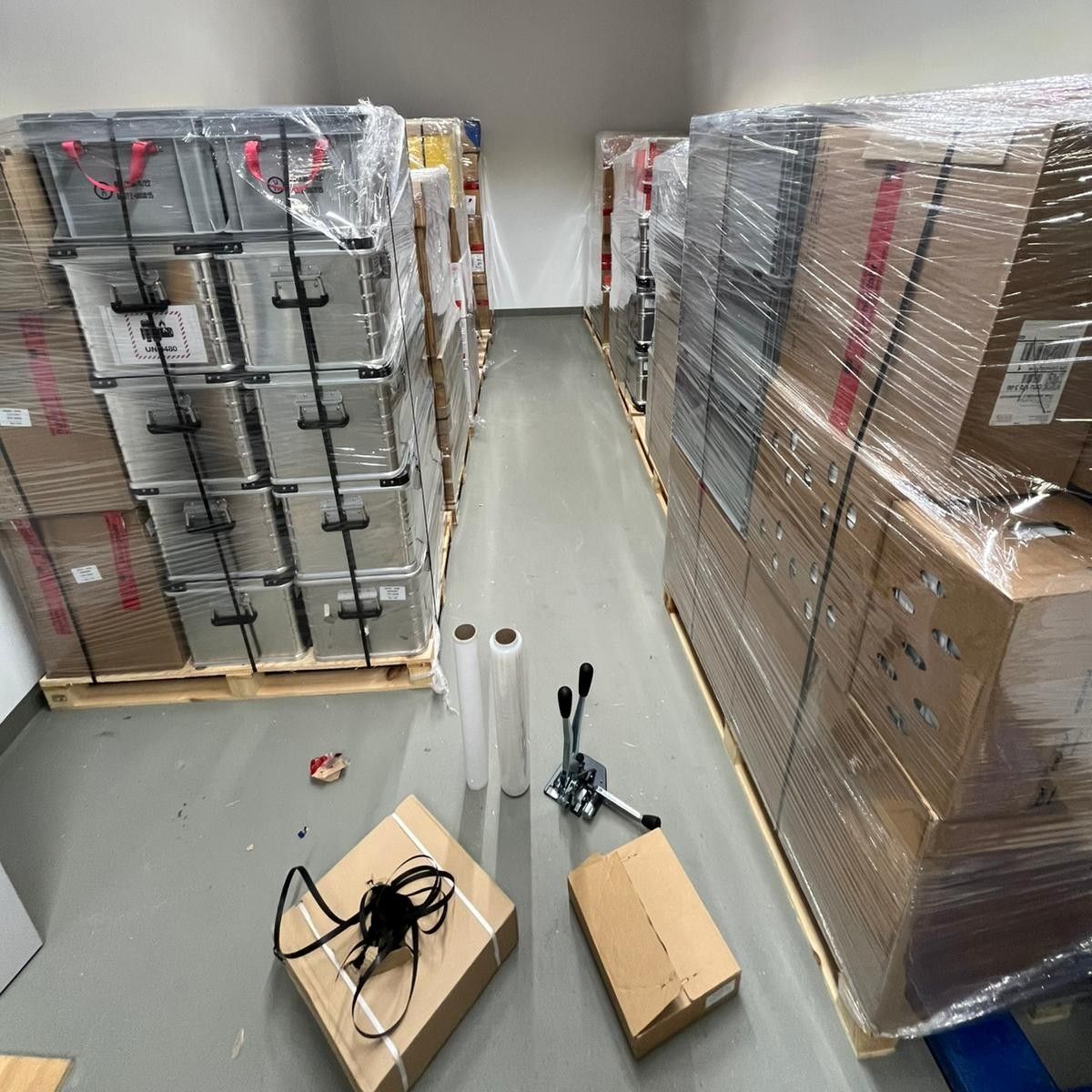
Loading the last materials for the cohort study, ready to be transported to Taï. We combined local purchases with supplies from our permanent storage in Abidjan and deliveries from Germany — a process that took several months of careful preparation.


A major milestone: participant recruitment started today! Our teams are now visiting the previously selected households across nine villages around Taï National Park to invite three to four residents per household to join the cohort — 1,500 volunteers in total. Consent forms, questionnaires, and careful documentation accompany every household visit. A lot of paperwork — but an essential foundation for high-quality research.
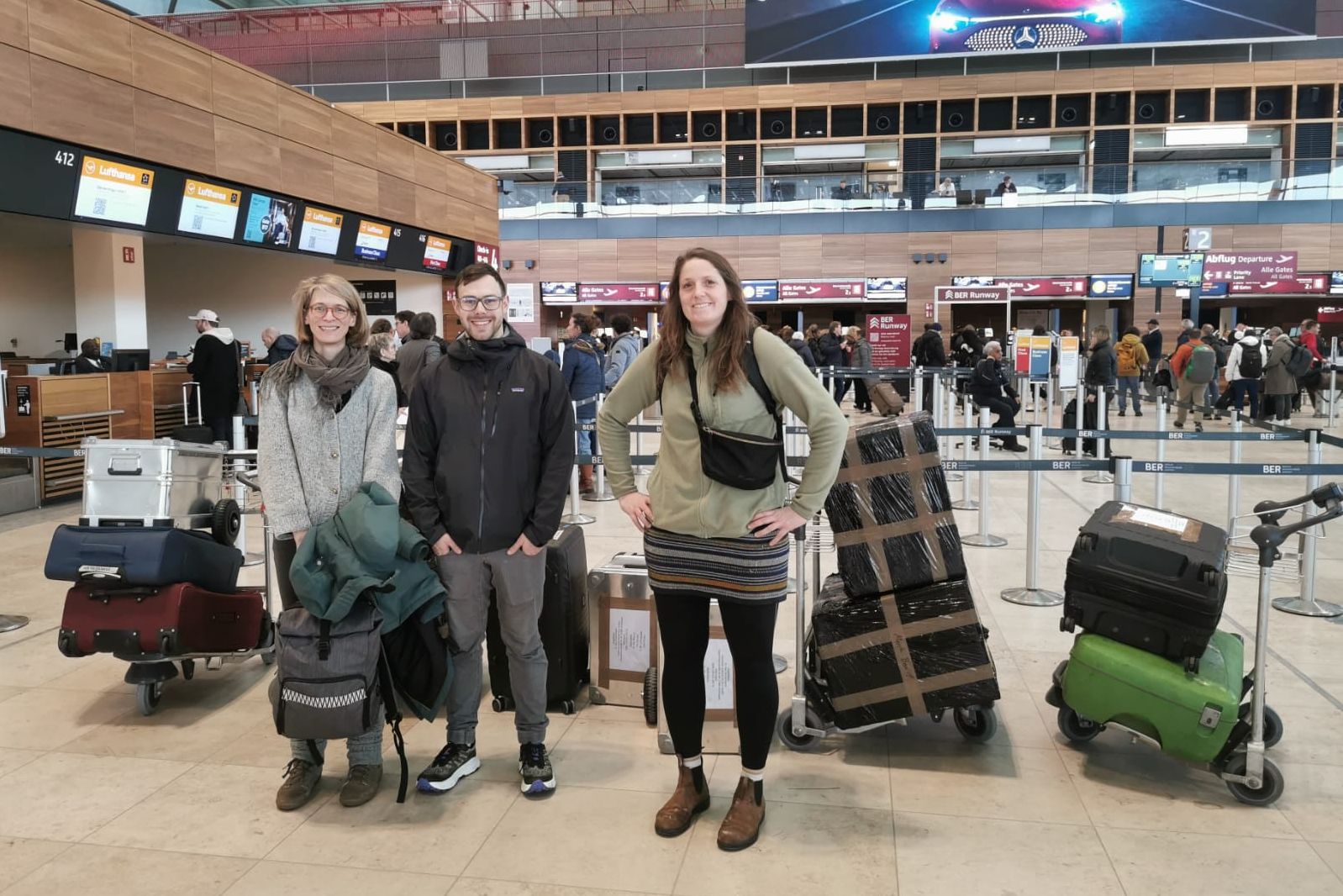
Due to weather-related delays at Berlin Airport, our flight was postponed until tomorrow. But spirits remain high, and we’re ready to go!

Community members from different villages — trained as enumerators and focal points — will conduct interviews with cohort participants together with social scientists. Today, they completed their training – ready for recruitment to begin next week.


Final preparations for participant recruitment are underway: consent forms, sample tubes and questionnaire tablets are ready, power banks fully charged. A total of 1,500 volunteers from nine villages will take part. Households have been selected using a random walk approach, and from tomorrow, our teams will visit them to recruit three to four residents per household.


Our poster – informing people about the cohort study – is everywhere we go. Here, for example, at the Hôpital General de Taï (general hospital in Taï village, left) and at the regional office of the Ministère des Ressources Animales et Halieutiques in Guiglo (Ministry of Animal and Fisheries Resources, MIRAH, right).
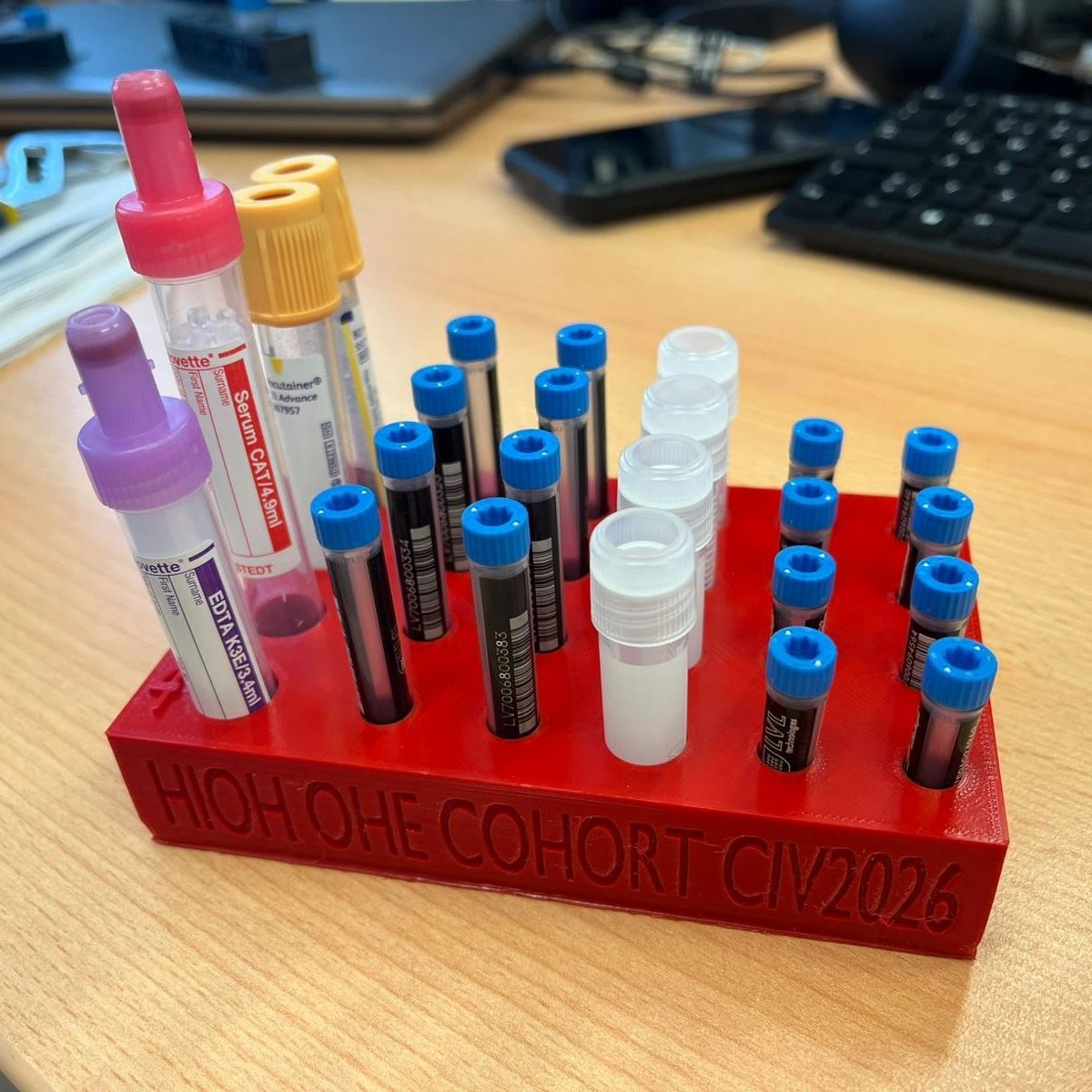
Our very own 3D-printed tube racks for the specific needs of the cohort are done! Storing the samples in QR code-labeled biobank tubes will make sorting and future analyses much easier.