Zoonotic diseases — infections that can pass between animals and humans — are a growing global health challenge, particularly in regions where people live in close contact with wildlife. Understanding these interactions lies at the heart of the One Health approach.
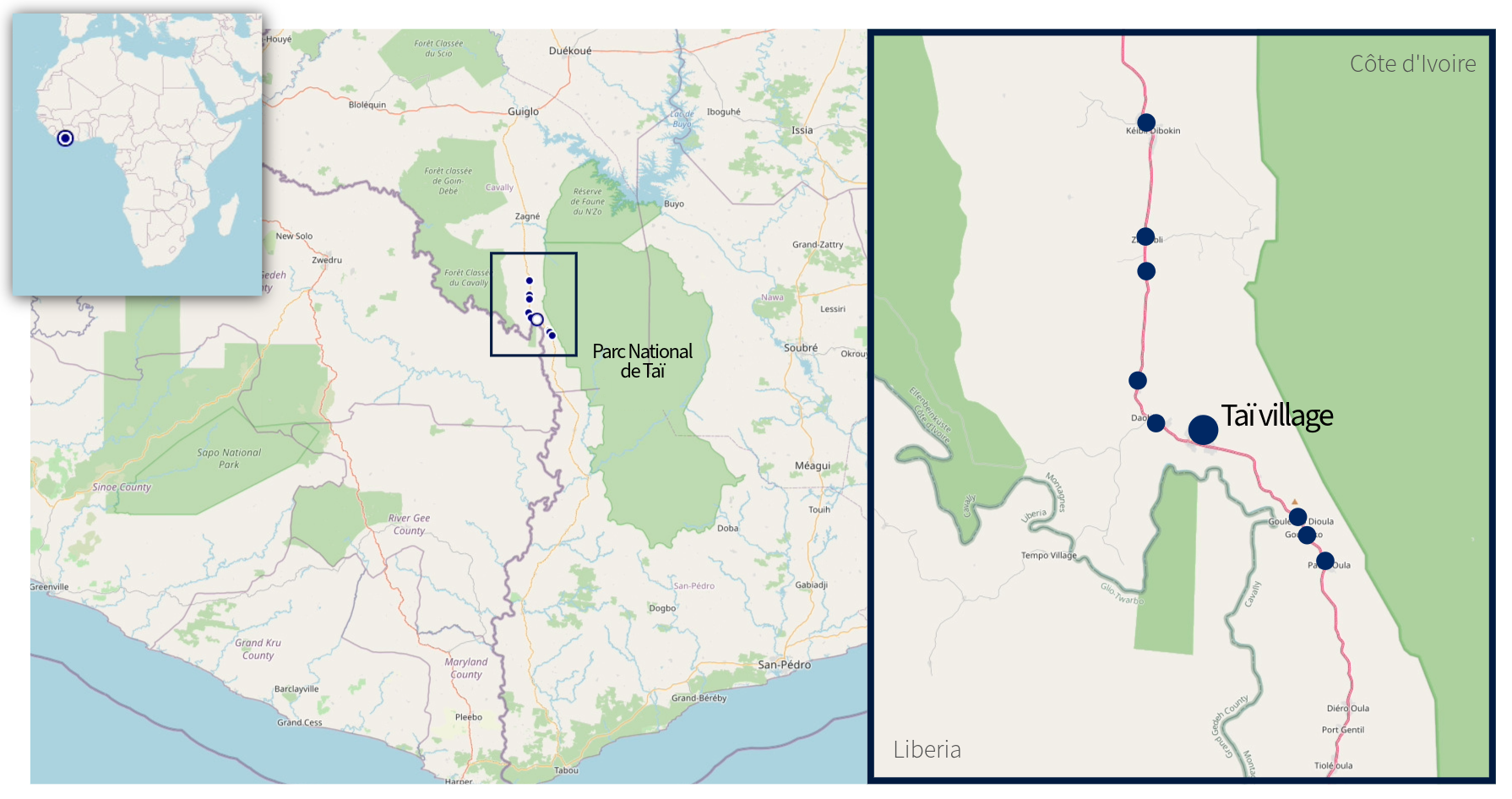
HIOH and its partners are now launching their first unique One Health cohort initiative in and around Taï National Park, Côte d’Ivoire, as part of the One Health Exploratories. Coordinated by HIOH’s One Health Surveillance group, this long-term effort aims to deepen our understanding of the links between human, animal and environmental health in order to detect potential spillover events early and strengthen preparedness for future pandemics.
As part of this initiative, our teams will engage with 1,500 people living in villages around the park. The study will be implemented together with around 50 Ivorian staff on site. Temporary examination centers will be set up to examine human participants, collect samples, and conduct structured questionnaires. In parallel, veterinary teams will collect samples from domestic and farm animals, while a dedicated small mammal team will sample rodents and bats within the villages. This work will be complemented by a comprehensive environmental monitoring program, including water sampling and biodiversity surveys. Overall, 15 HIOH staff members will be deployed to Côte d’Ivoire between mid-February and the end of May 2026.
The initiative draws on HIOH’s long-standing presence in the region and years of joint preparatory work by HIOH, the Centre Hospitalier et Universitaire (CHU) de Bouaké, the Centre Suisse de Recherches Scientifiques, the Helmholtz Centre for Infection Research and the Friedrich Loeffler Institute. Together, we developed the study design through a series of collaborative workshops and extended field stays.
The samples and data generated through this globally unique effort will offer novel opportunities to better understand the emergence of zoonotic diseases and antimicrobial resistance, while opening up new avenues for research and cooperation.
Through this blog, started in January 2026, we will keep you updated on the preparations and progress from the field.
Medical examination team: Ivorian and German medical staff run the examination centers
Questionnaire team: Community members together with social scientists conduct questionnaires on household and individual participant level
Veterinary teams: Three teams of experienced Ivorian and German veterinary staff collect livestock samples, a fourth team focuses on small mammal and environmental sampling
Laboratory team: processes all samples in the field lab
Data management team: supports all parts of the process from data and sample collection to safe storage
Field coordination team: One Health experts from CHU Bouaké, CSRS and HIOH act as focal points for all other teams, ensuring that the pieces of the puzzle all come together in the end


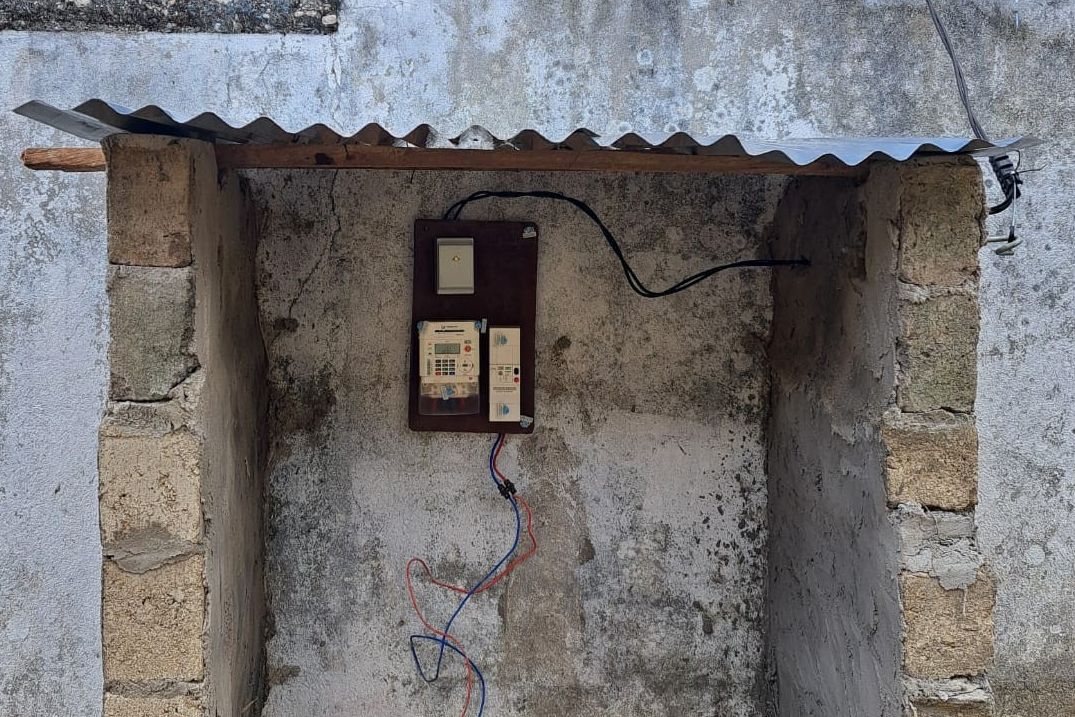
Our electricity system for the HIOH lab is ready now to support all devices for the analysis of human, animal, and environmental samples.

The enumerators (questionnaire team) spread out to the households to conduct the surveys and recruit participants.

Cleaning the rodent traps – also part of the job. Using live traps, we can safely capture the animals, take minimally invasive samples, and then release them again.

Getting the field lab ready! Before the first samples are processed, everything is tidied up and prepared. To make this possible, HIOH previously renovated the premises in collaboration with the local hospital and set up its own laboratory on site.

Community members, local authorities, and the HIOH cohort team met today in Taï for a stakeholder workshop on human-wildlife interactions, focused on the importance of ongoing engagement to prevent zoonotic diseases – the Ivorian press already reported on the event.
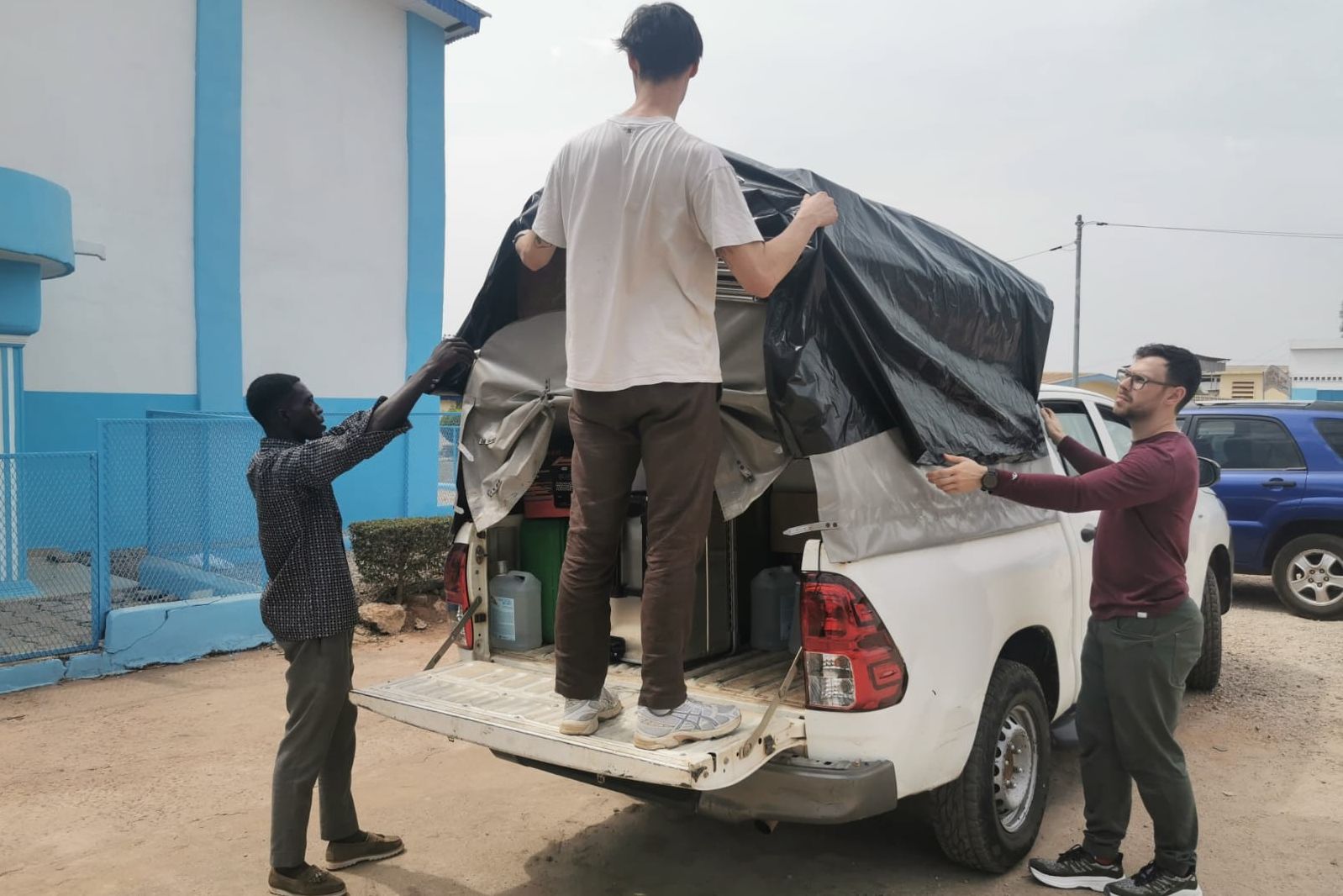
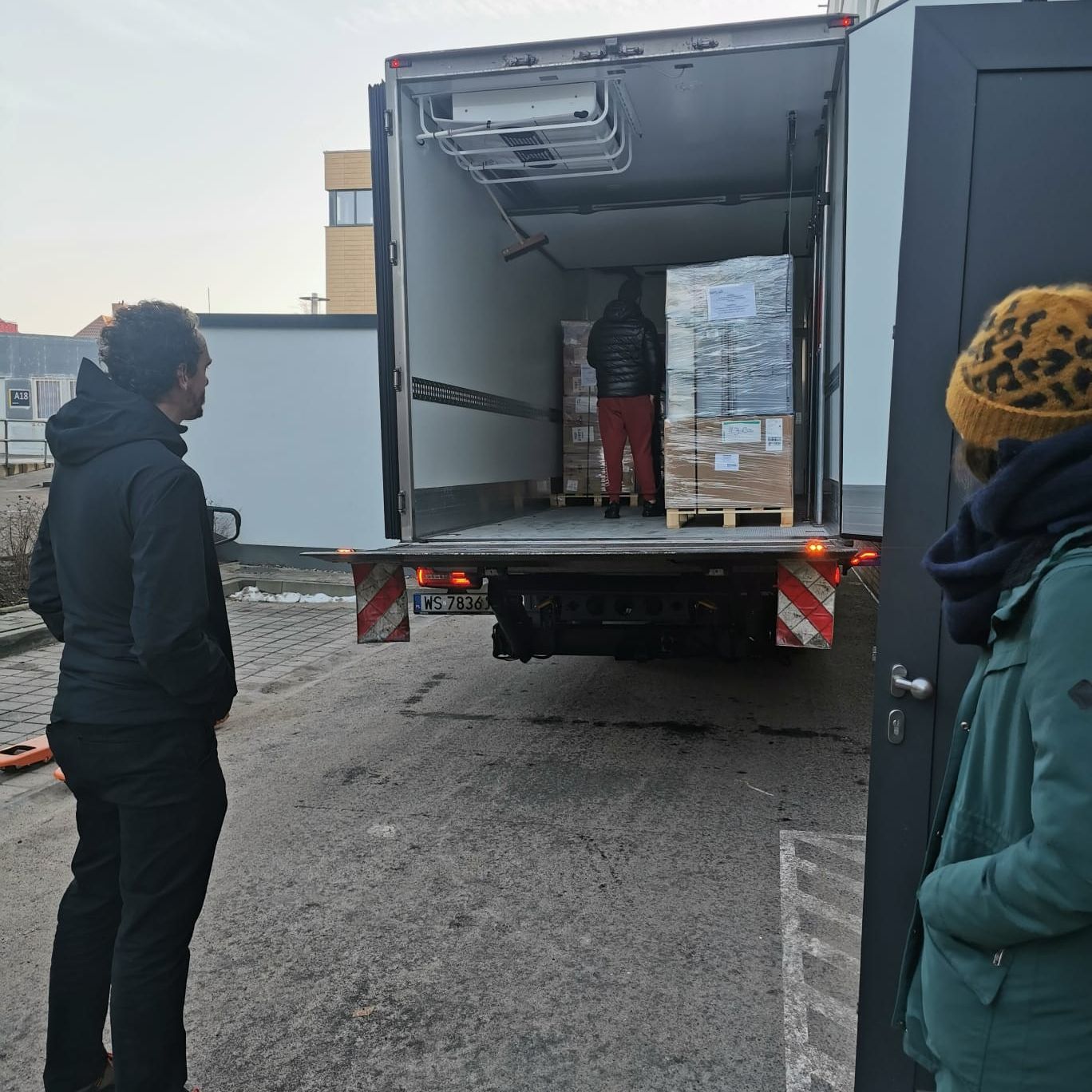
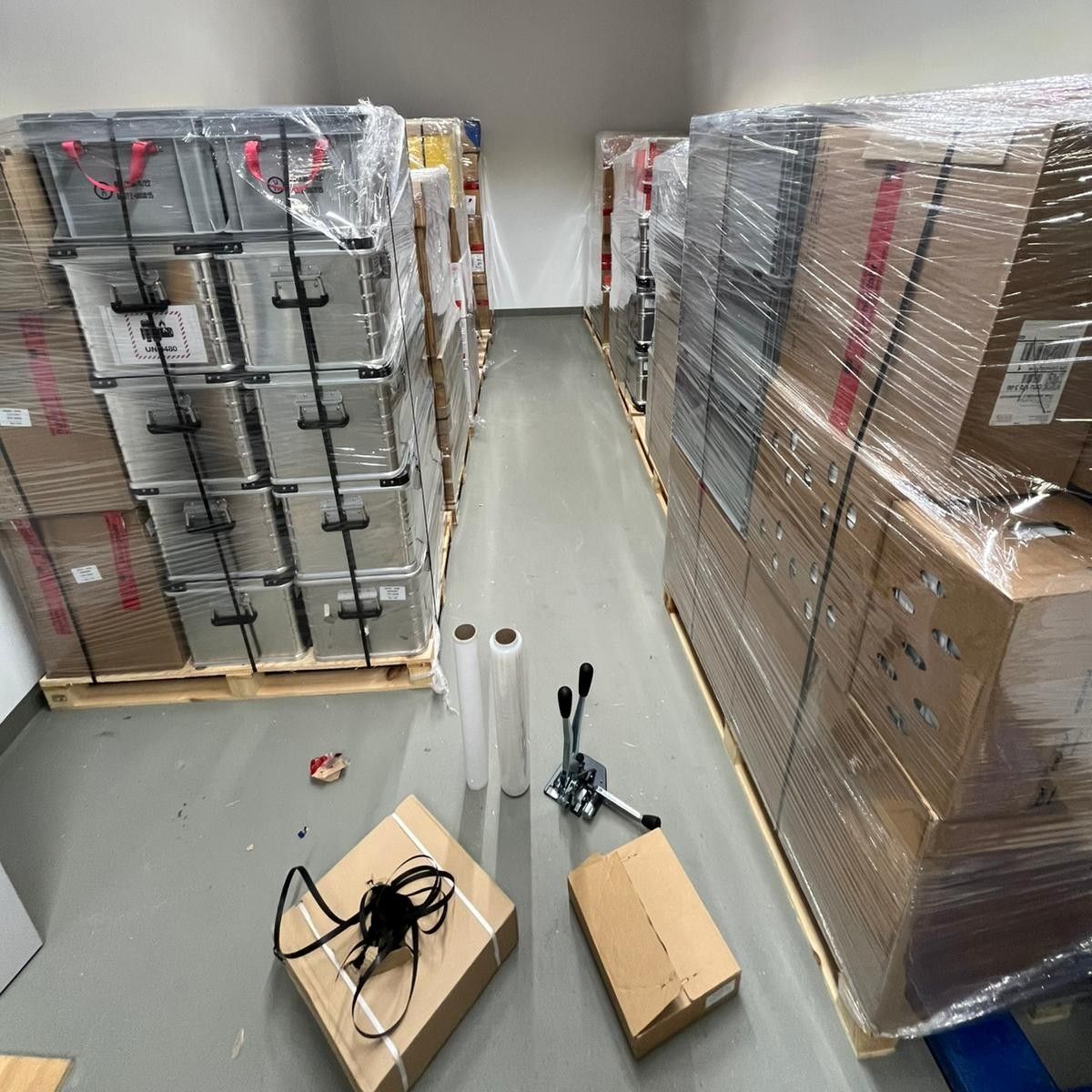
Loading the last materials for the cohort study, ready to be transported to Taï. We combined local purchases with supplies from our permanent storage in Abidjan and deliveries from Germany — a process that took several months of careful preparation.


A major milestone: participant recruitment started today! Our teams are now visiting the previously selected households across nine villages around Taï National Park to invite three to four residents per household to join the cohort — 1,500 volunteers in total. Consent forms, questionnaires, and careful documentation accompany every household visit. A lot of paperwork — but an essential foundation for high-quality research.
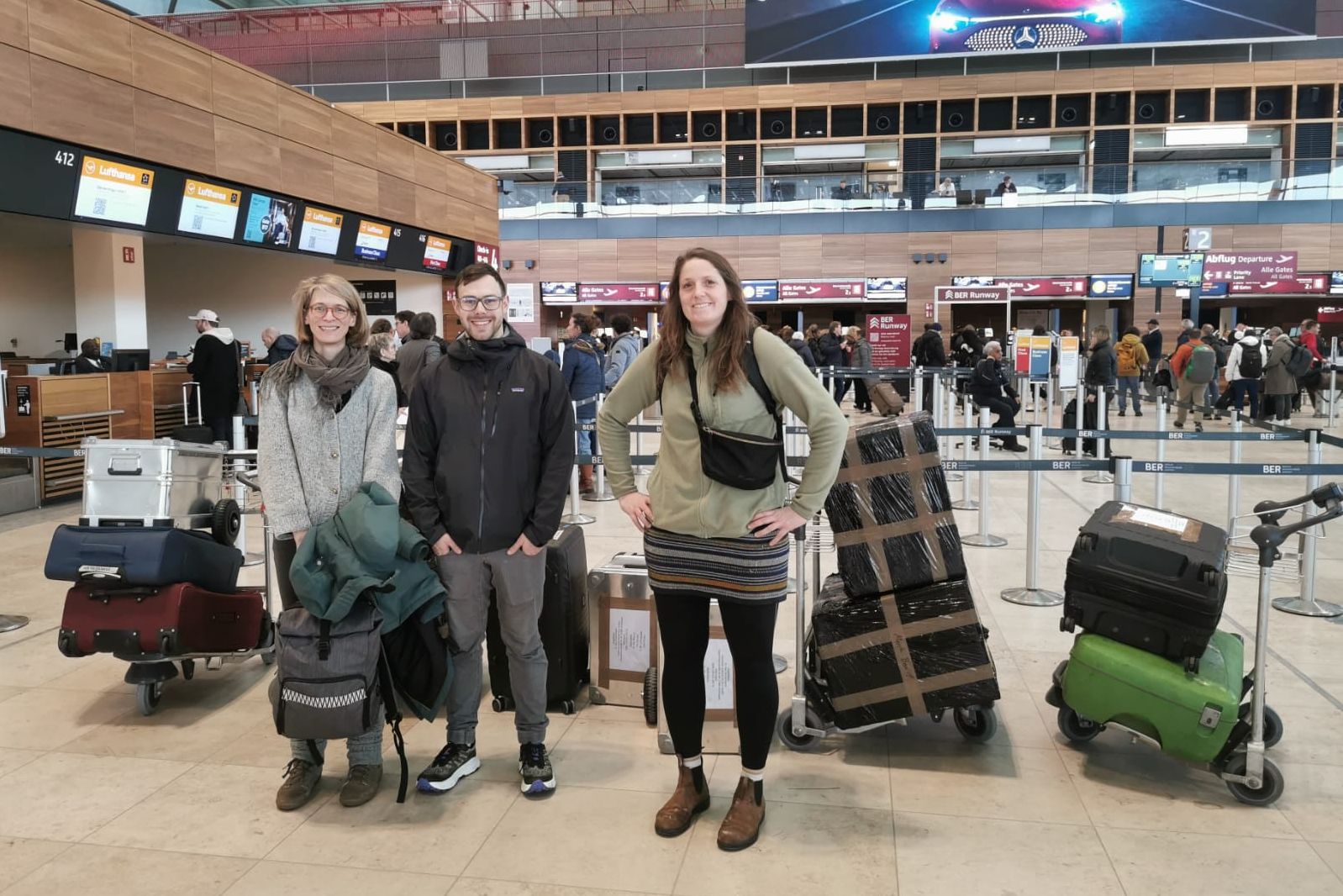
Due to weather-related delays at Berlin Airport, our flight was postponed until tomorrow. But spirits remain high, and we’re ready to go!

Community members from different villages — trained as enumerators and focal points — will conduct interviews with cohort participants together with social scientists. Today, they completed their training – ready for recruitment to begin next week.


Final preparations for participant recruitment are underway: consent forms, sample tubes and questionnaire tablets are ready, power banks fully charged. A total of 1,500 volunteers from nine villages will take part. Households have been selected using a random walk approach, and from tomorrow, our teams will visit them to recruit three to four residents per household.


Our poster – informing people about the cohort study – is everywhere we go. Here, for example, at the Hôpital General de Taï (general hospital in Taï village, left) and at the regional office of the Ministère des Ressources Animales et Halieutiques in Guiglo (Ministry of Animal and Fisheries Resources, MIRAH, right).
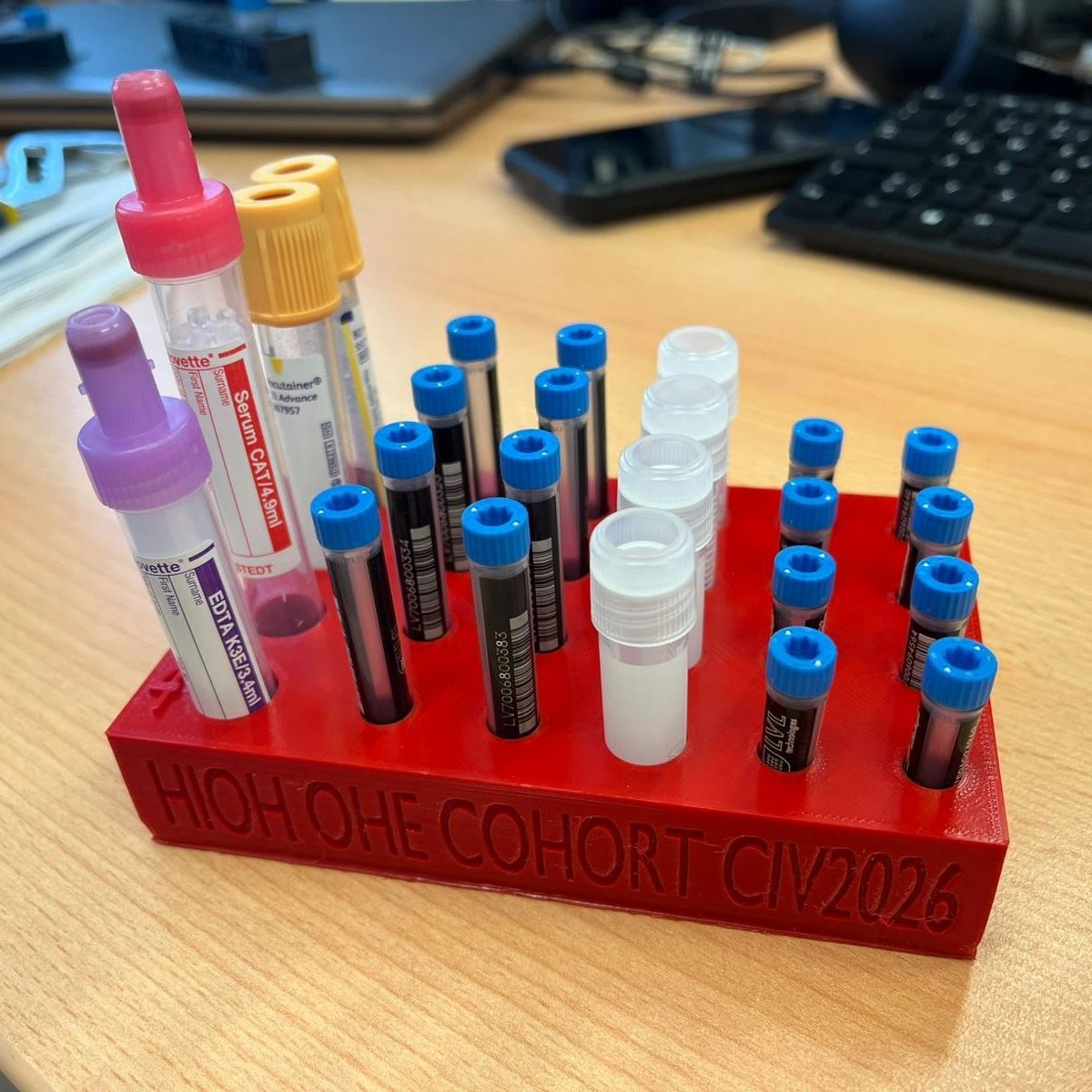
Our very own 3D-printed tube racks for the specific needs of the cohort are done! Storing the samples in QR code-labeled biobank tubes will make sorting and future analyses much easier.