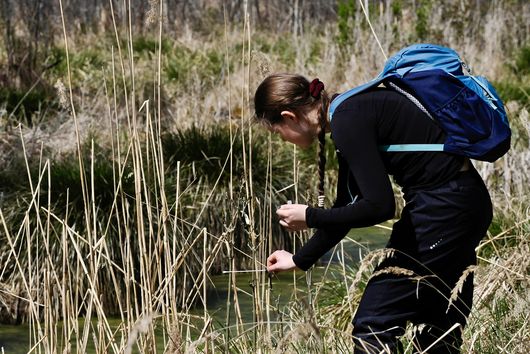
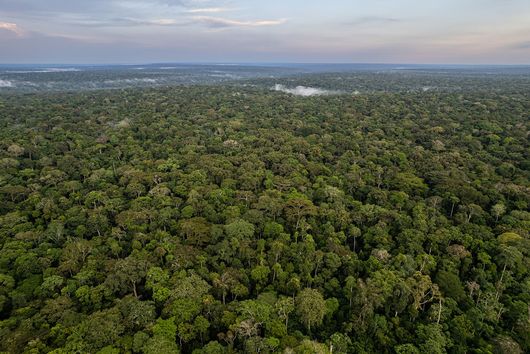
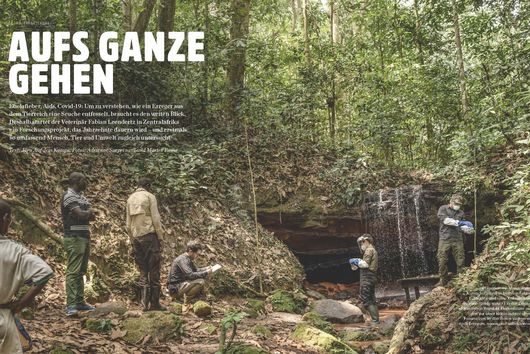
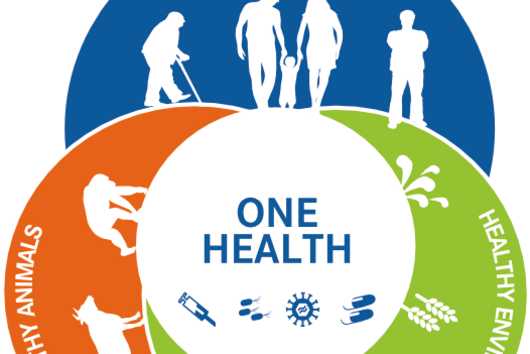
At the Helmholtz Institute for One Health (HIOH), long-term, evidence-based strategies are taking shape to continuously collect and integrate data and samples on human, animal, and ecosystem health. These One Health Exploratories function like scientific weather stations, monitoring a variety of parameters at the human-animal-environment interface in changing ecological and social contexts. Active in selected regions of sub-Saharan Africa and Mecklenburg-Western Pomerania, they provide a framework for systematic, cross-sectoral surveillance and contribute to pandemic preparedness by revealing patterns and drivers of zoonotic disease emergence.
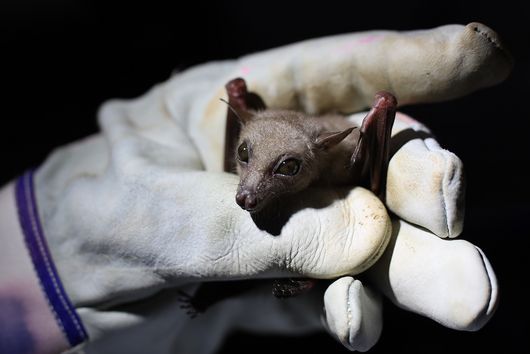
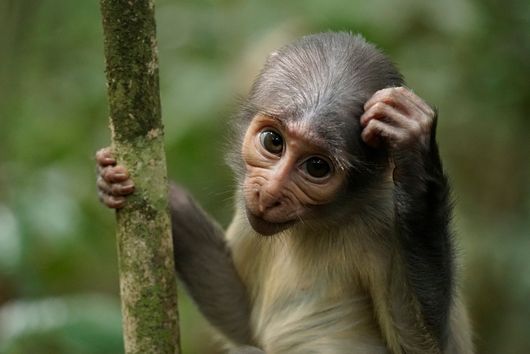
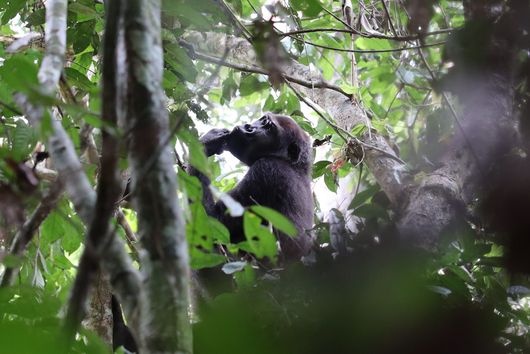
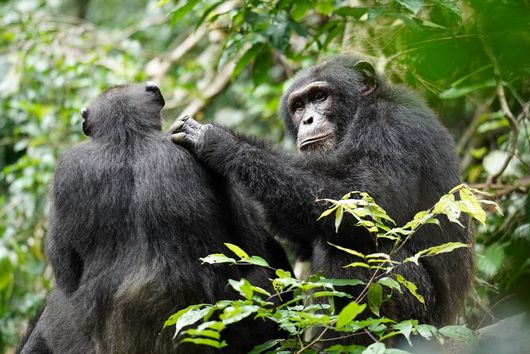
Complementing our longstanding wildlife and biodiversity monitoring as well as the routine surveillance of small mammals living in close proximity to human settlements, the One Health Exploratories in our African model regions have recently gained another key component: clinical surveillance, implemented by HIOH’s One Health Surveillance research group in close collaboration with local health workers.
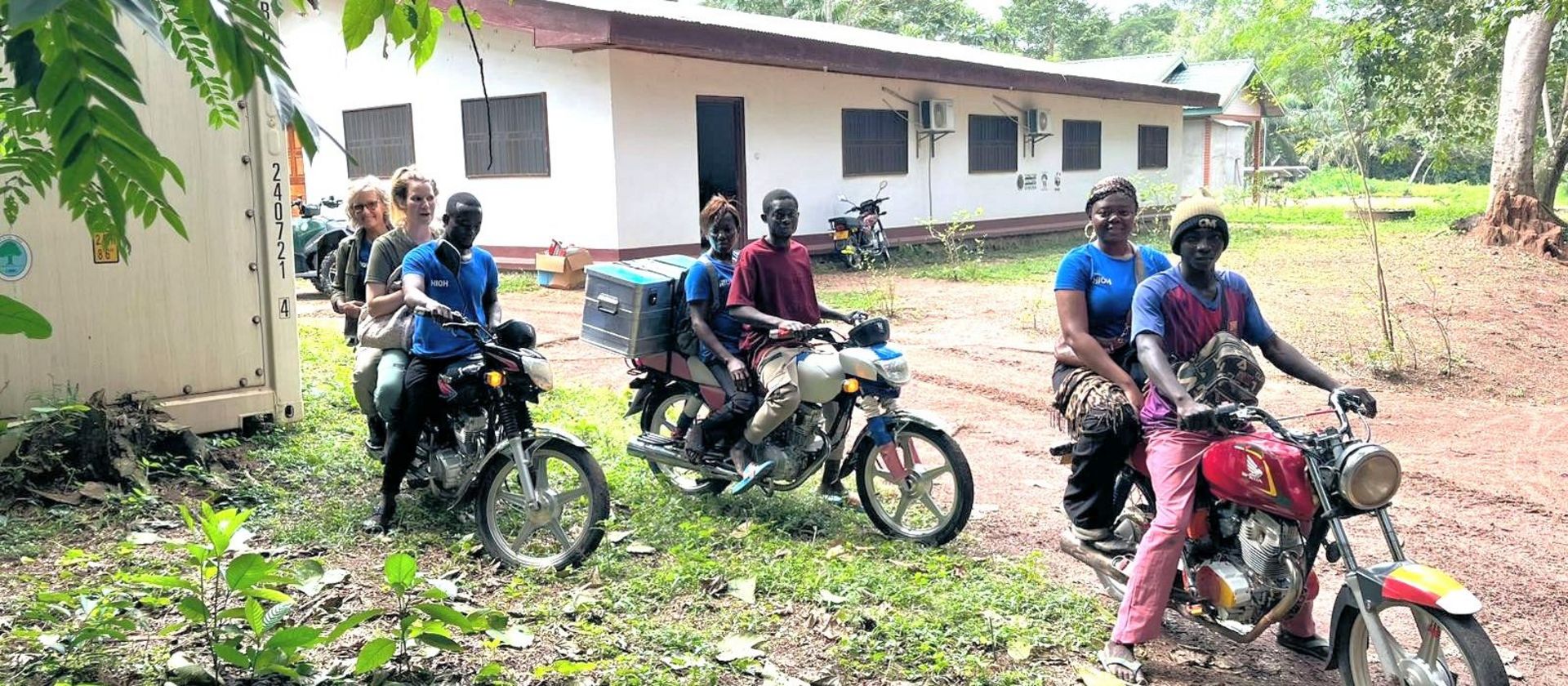
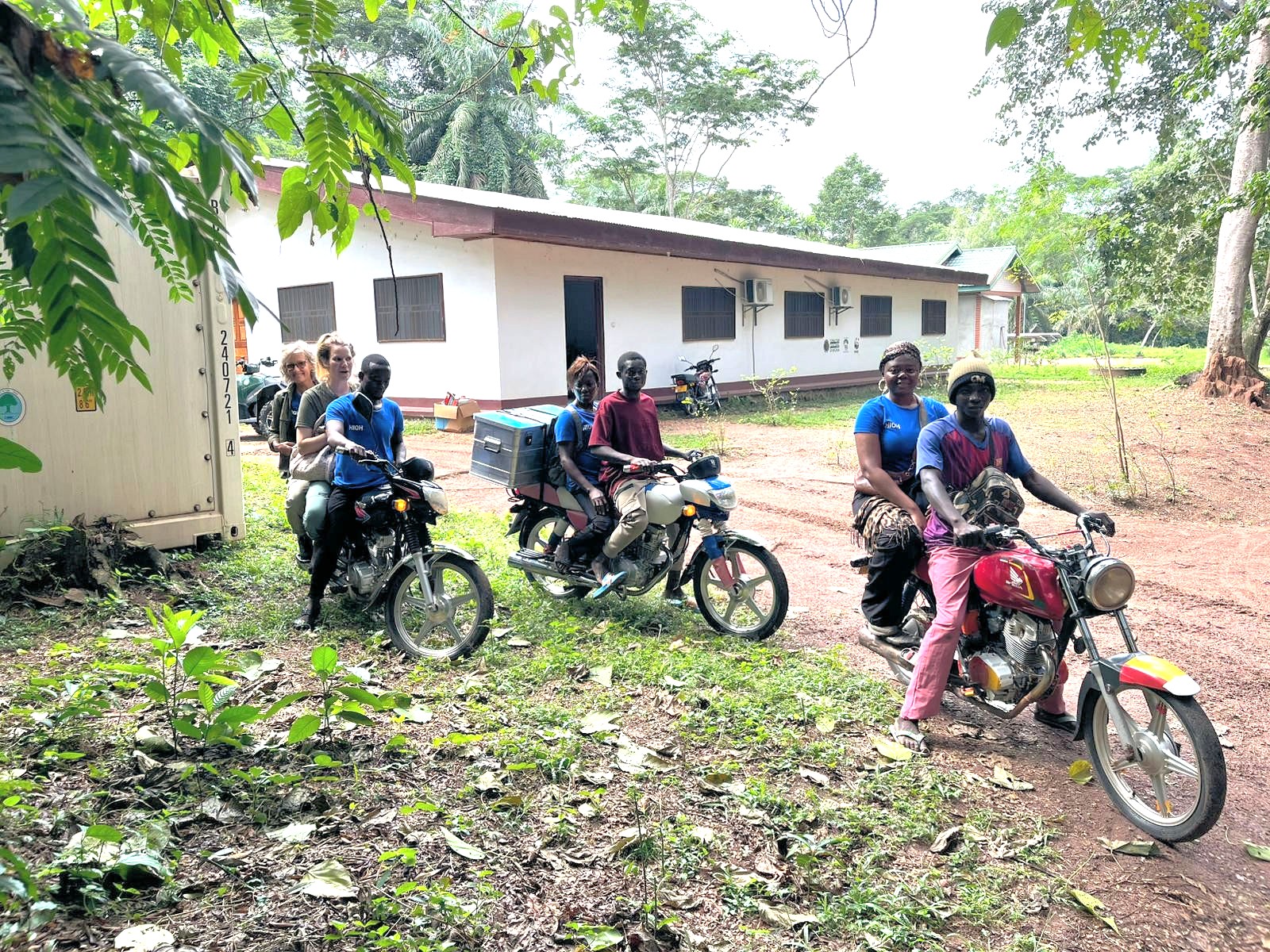
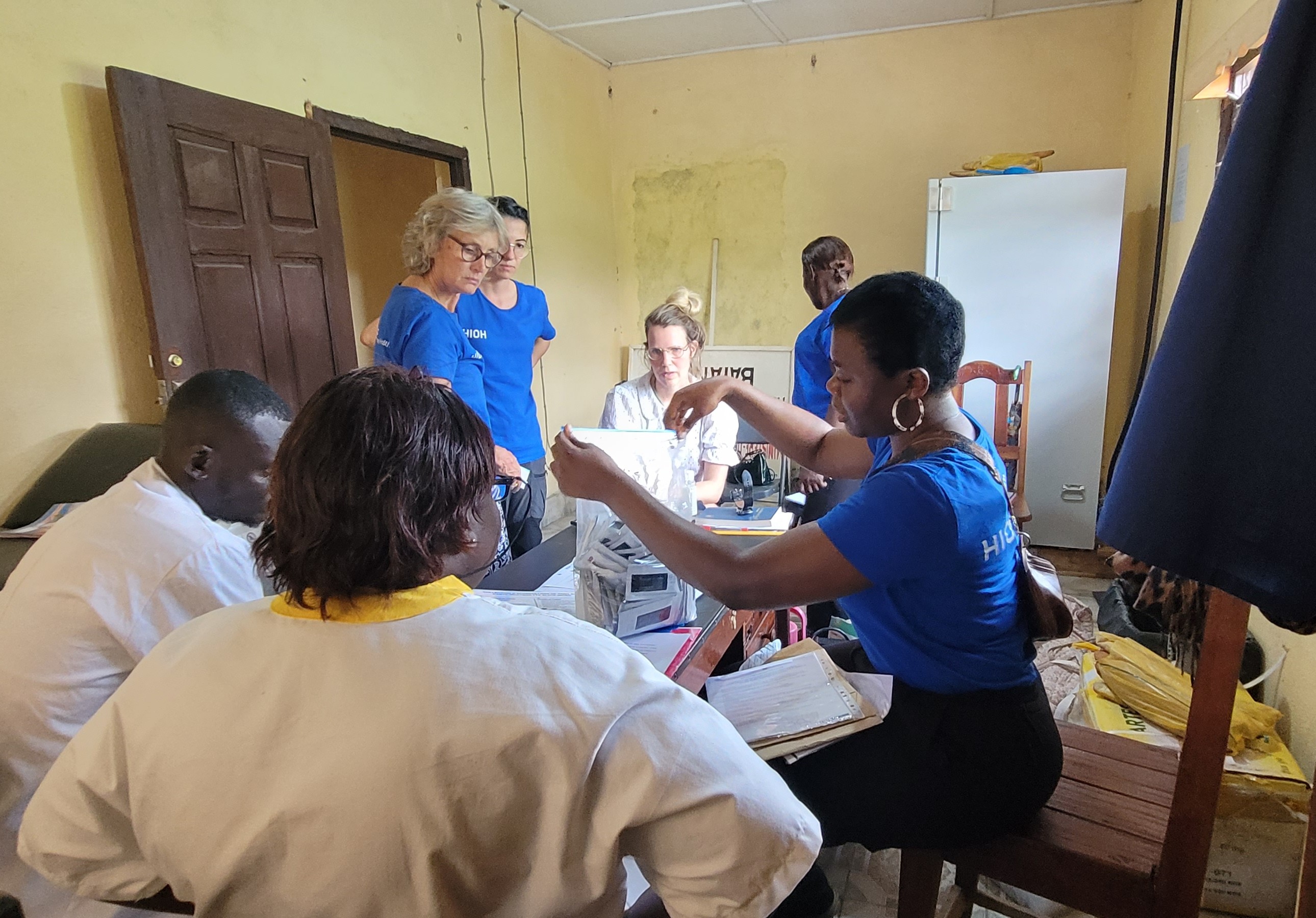
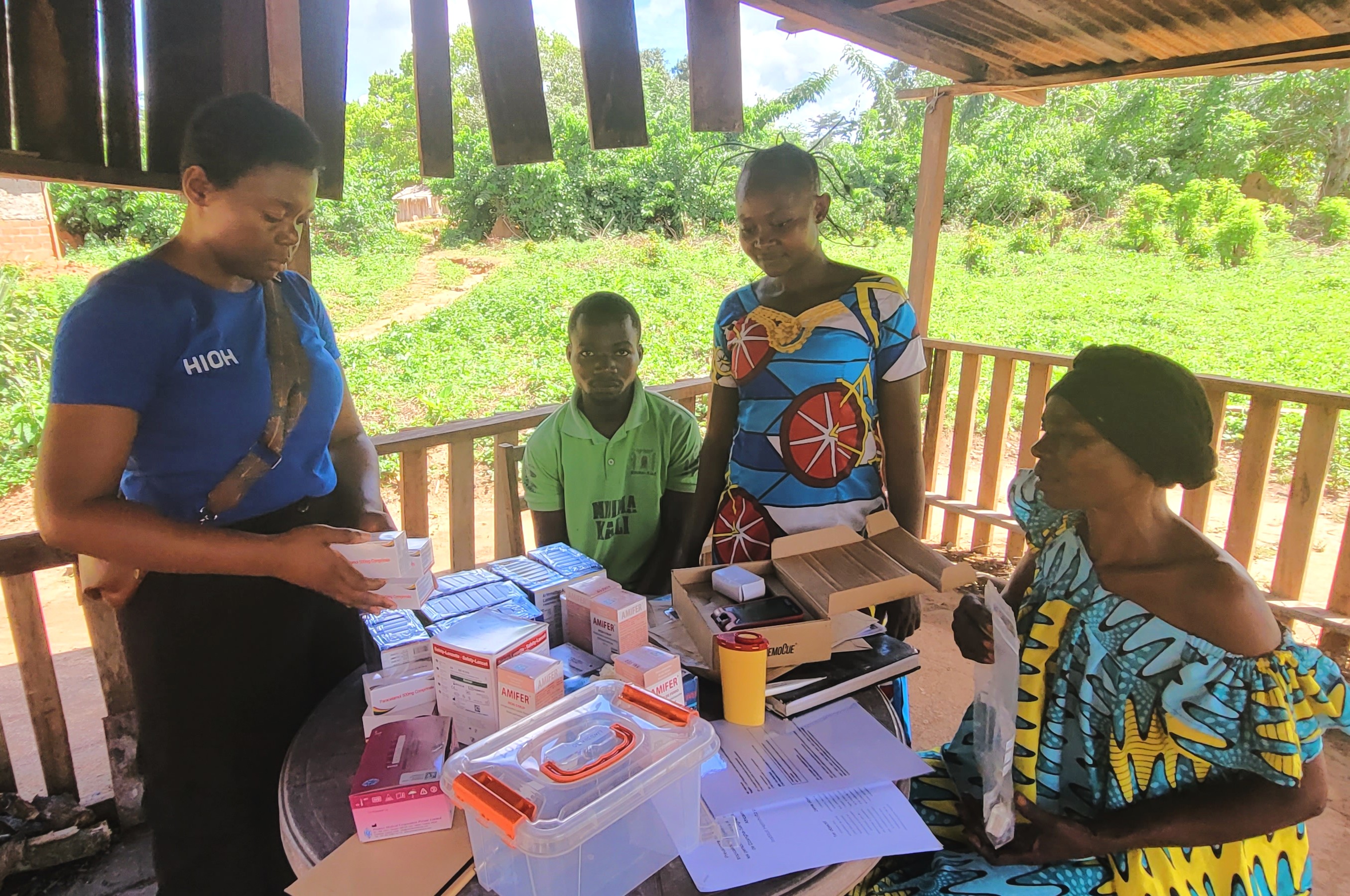
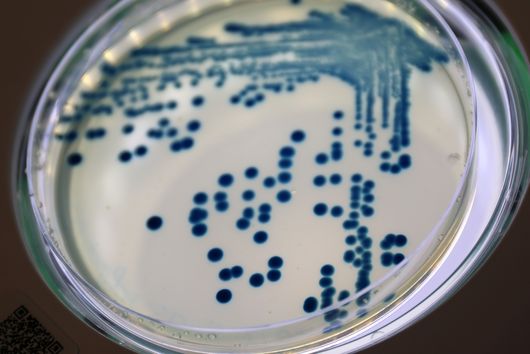
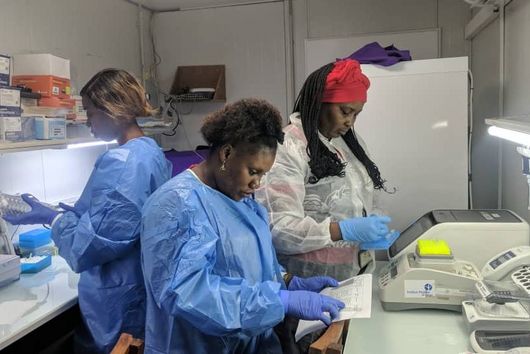
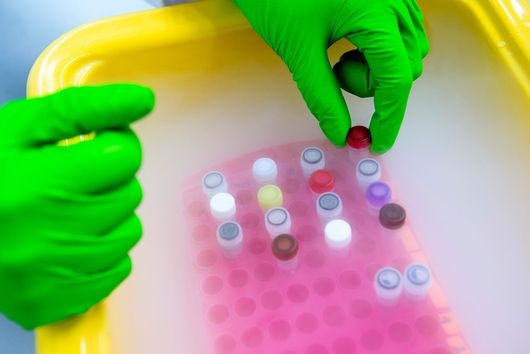
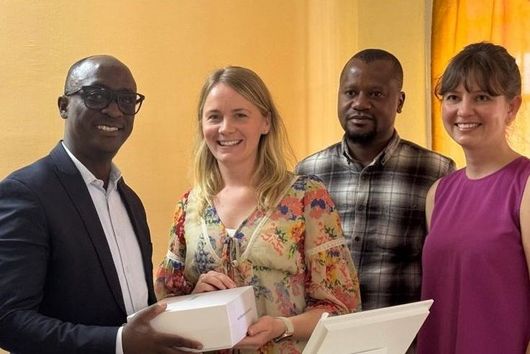
In and around the Dzanga-Sangha Protected Areas in the Central African Republic, a HIOH team is currently visiting village health posts and training nurses and other local healthcare staff in patient sample collection and packaging, as well as in documentation of environmental risk factors and animal contact. At the same time, our team provides basic medications to these community health centers, strengthening their capacity to deliver basic medical services. Patient samples—dried blood spots, nasal swabs, and skin swabs—are then transported by motorcycle to the molecular diagnostics laboratory in Bayanga, where they are analyzed for pathogens of zoonotic relevance.
By linking these clinical samples with wildlife-, environmental and social data, we aim to identify which zoonotic pathogens circulate in rural populations and lead to clinical symptoms. Importantly, the findings are communicated back to the patients and communities through the health posts and shared with local and national stakeholders, ensuring direct benefits for public health in the region.
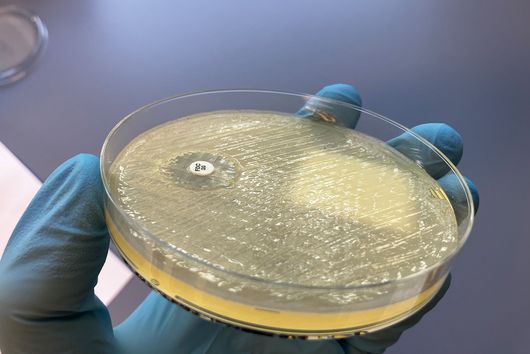
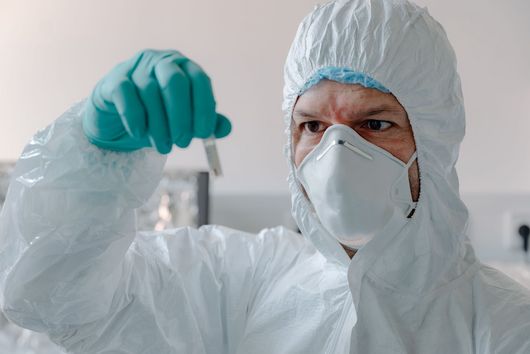
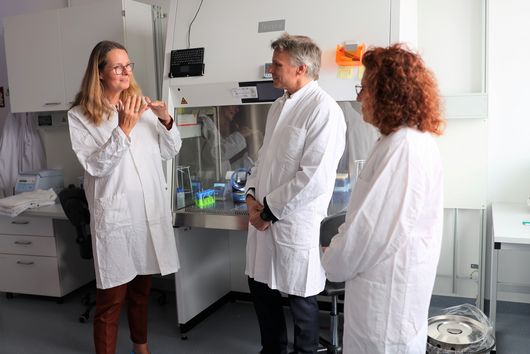
With the fully equipped molecular diagnostics lab in Bayanga, jointly operated by HIOH and the WWF Central African Republic, we are well prepared and ready to process the first clinical samples, expected to arrive in November 2025. The integration of clinical surveillance marks a major milestone in the development of the One Health Exploratories and lays the foundation for a holistic, scalable model of health monitoring that can be adapted and applied in other regions worldwide.
‘A network of One Health Exploratories’ – a multimedia feature for One Health Day on 3 November 2025 (located in the lower third of the page)
Wheather Stations of Life – HIOH’s One Health Exploratories at a glace







![[Translate to English:]](/fileadmin/HIOH/__processed__/8/3/csm_Lab_Eroeffnung_Buake1_c937de8203.jpeg "[Translate to English:]")