
A report from the HIOH research group “Epidemiology and Ecology of Antimicrobial Resistance“
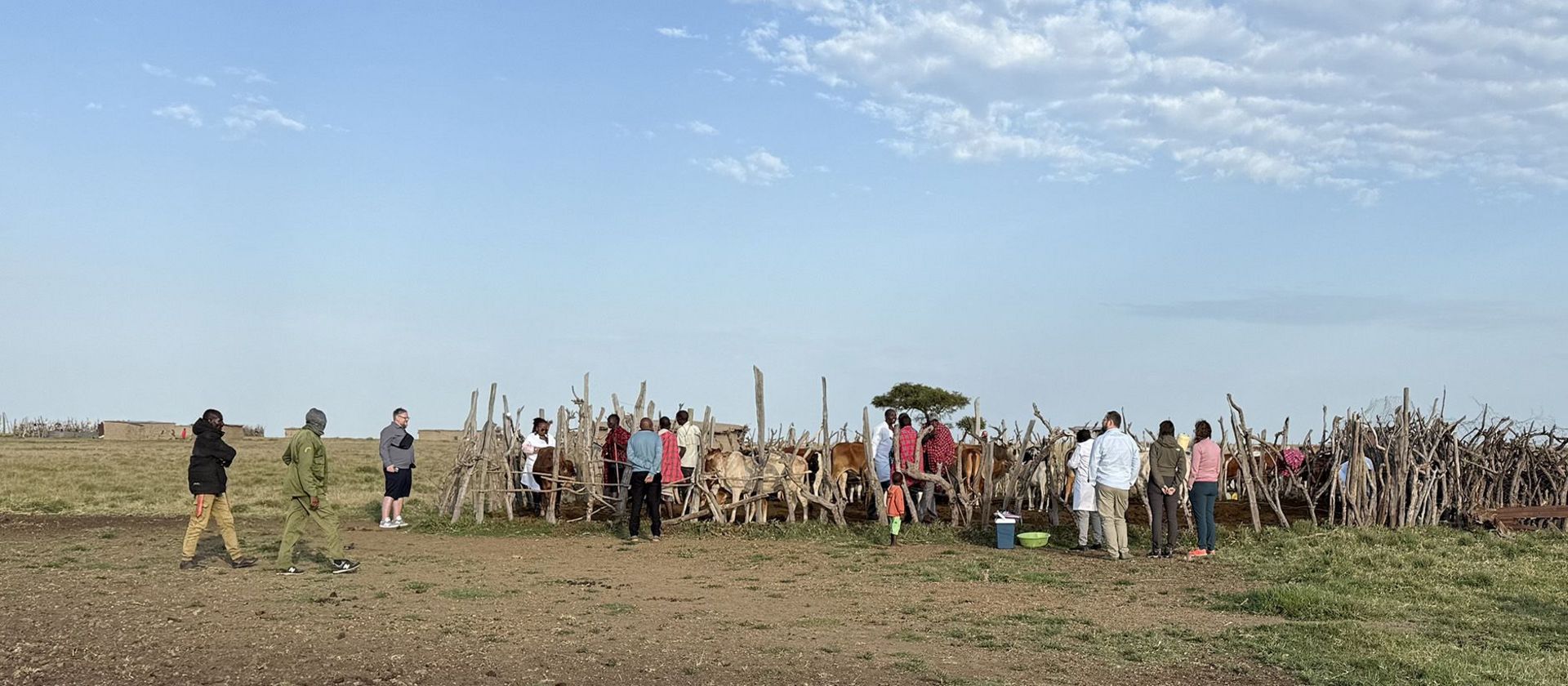
Multidrug-resistant bacteria pose a growing global threat because they no longer respond to common antibiotics, making infections harder to treat. This leads to longer illnesses, higher medical costs, and increased mortality. This is particularly challenging in parts of the world where people and wildlife live in close proximity to each other and where animals migrate over long distances, such as in Kenya, which hosts Africa’s largest wildlife reserves, including the Maasai Mara.
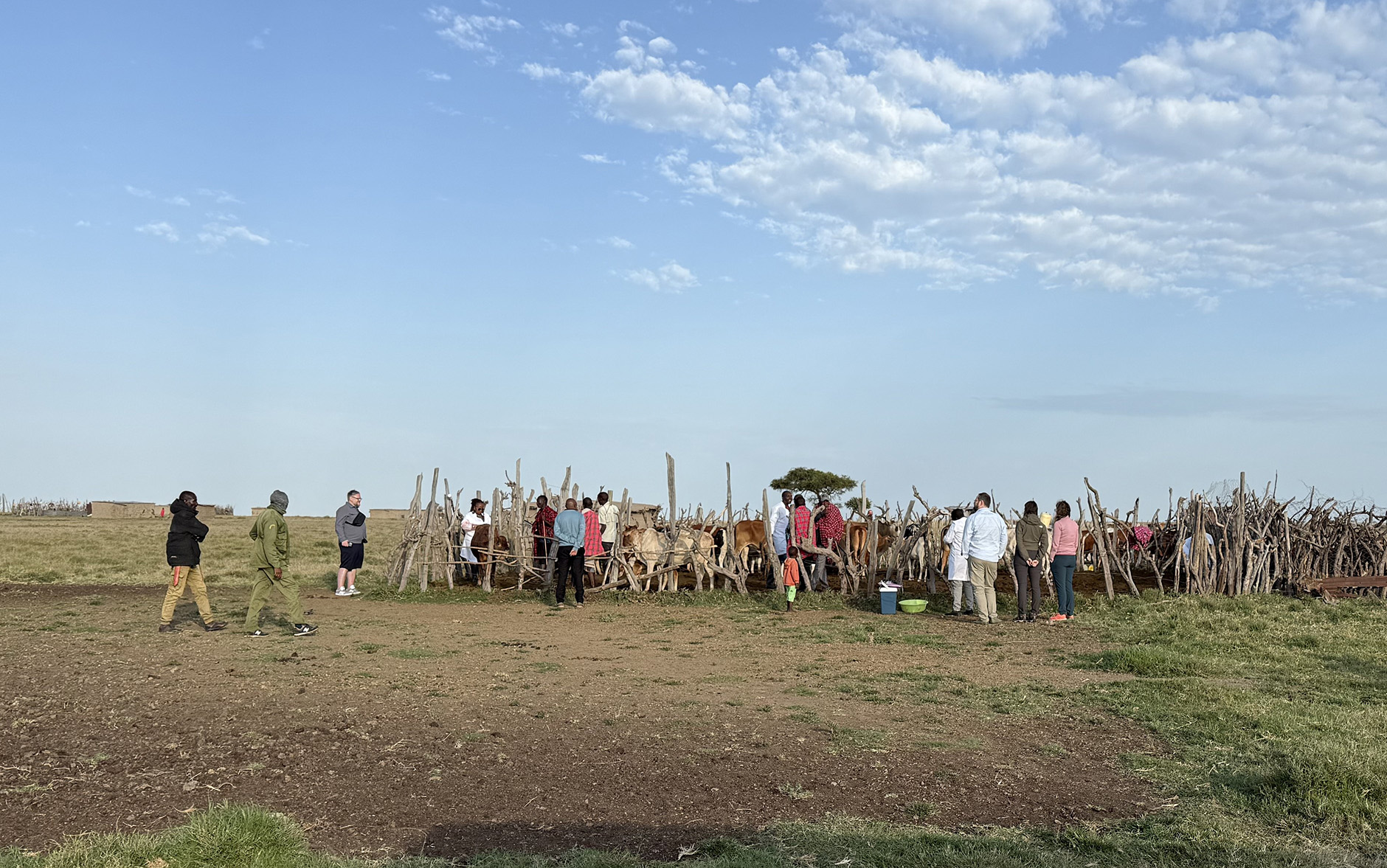
The region features diverse ecosystems and close interactions between wildlife, livestock, and people. To understand how microbes and antimicrobial resistance move between humans, animals, and the environment in this area, the department ”Epidemiology and Ecology of Antimicrobial Resistance“ at the Helmholtz Institute for One Health (HIOH) has partnered up with colleagues from the International Livestock Research Institute (ILRI) in Nairobi and recently launched the KenGe project, a project between Kenya and Germany which aims to illuminate these connections using a One Health approach in the Maasai Mara as a key study site. Comparing both study regions will allow us to identify differences and shared risks across contrasting settings and will thus ultimately help to identify transmission routes and inform strategies to reduce health risks. As a first step in the project, the HIOH team embarked on a field mission to Kenya to familiarize themselves with local sample collection procedures, assess on-site challenges, provide technical support, and jointly develop optimizations to ensure harmonized conditions for downstream analyses in both Kenya and Germany.
As part of the KenGe project, we visited our partners at ILRI to further our joint research on antimicrobial resistance (AMR) in the One Health context in the Maasai Mara ecosystem in June 2025.
A highlight of the trip was visiting the actual sampling sites in the Maasai Mara, far away from tourism. Starting in Narok, we had our first stop at bomas – traditional homesteads where people and livestock live in close proximity. In addition to collecting fecal samples from cattle and residents, we also took water and manure samples, which are very valuable for investigating AMR transmission between humans, animals, and the environment using the One Health approach.
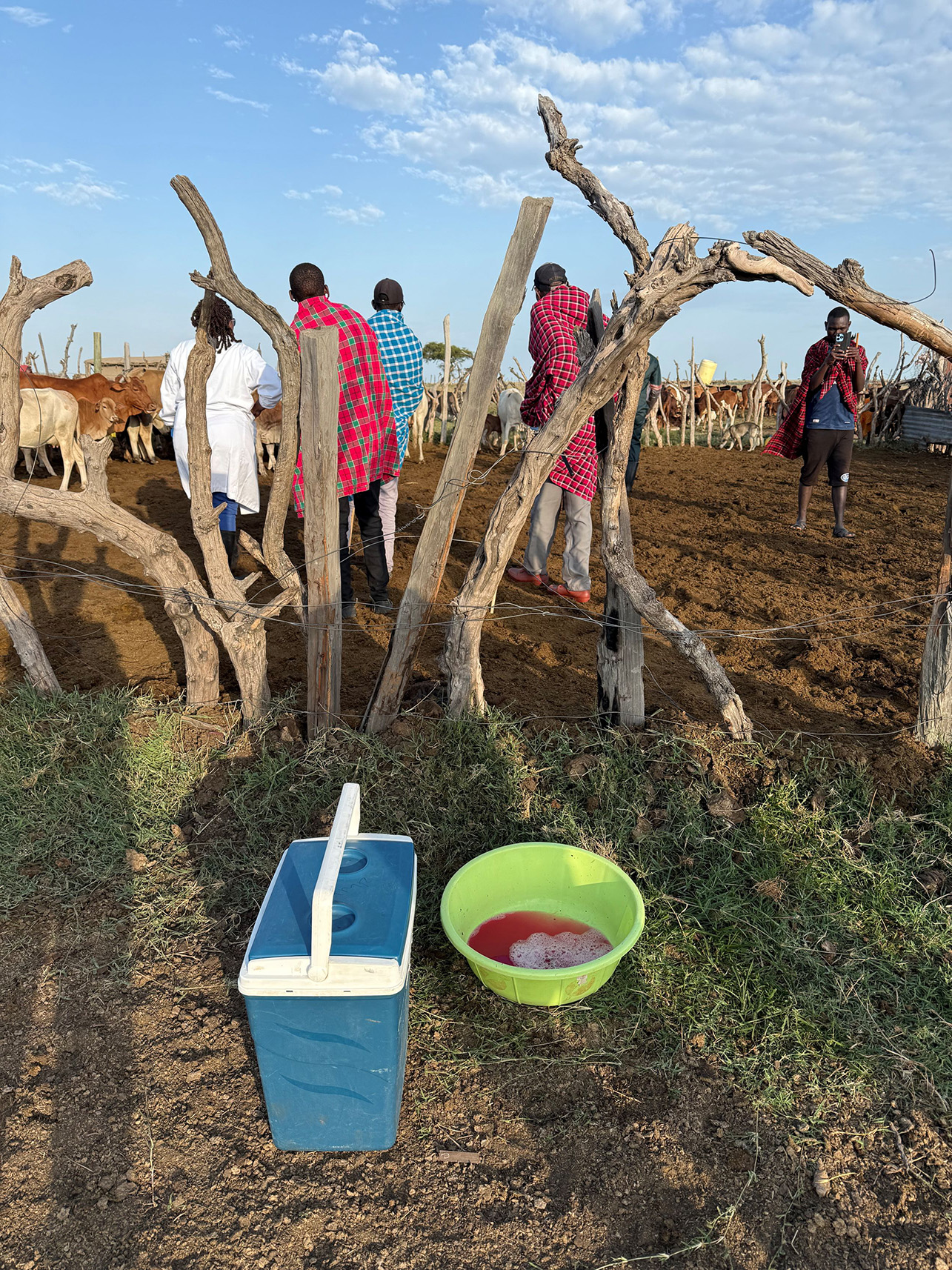
Additionally, a survey was conducted with members of the Massai community to gather data on their farming practices, antibiotics usage, and sources of drinking water.
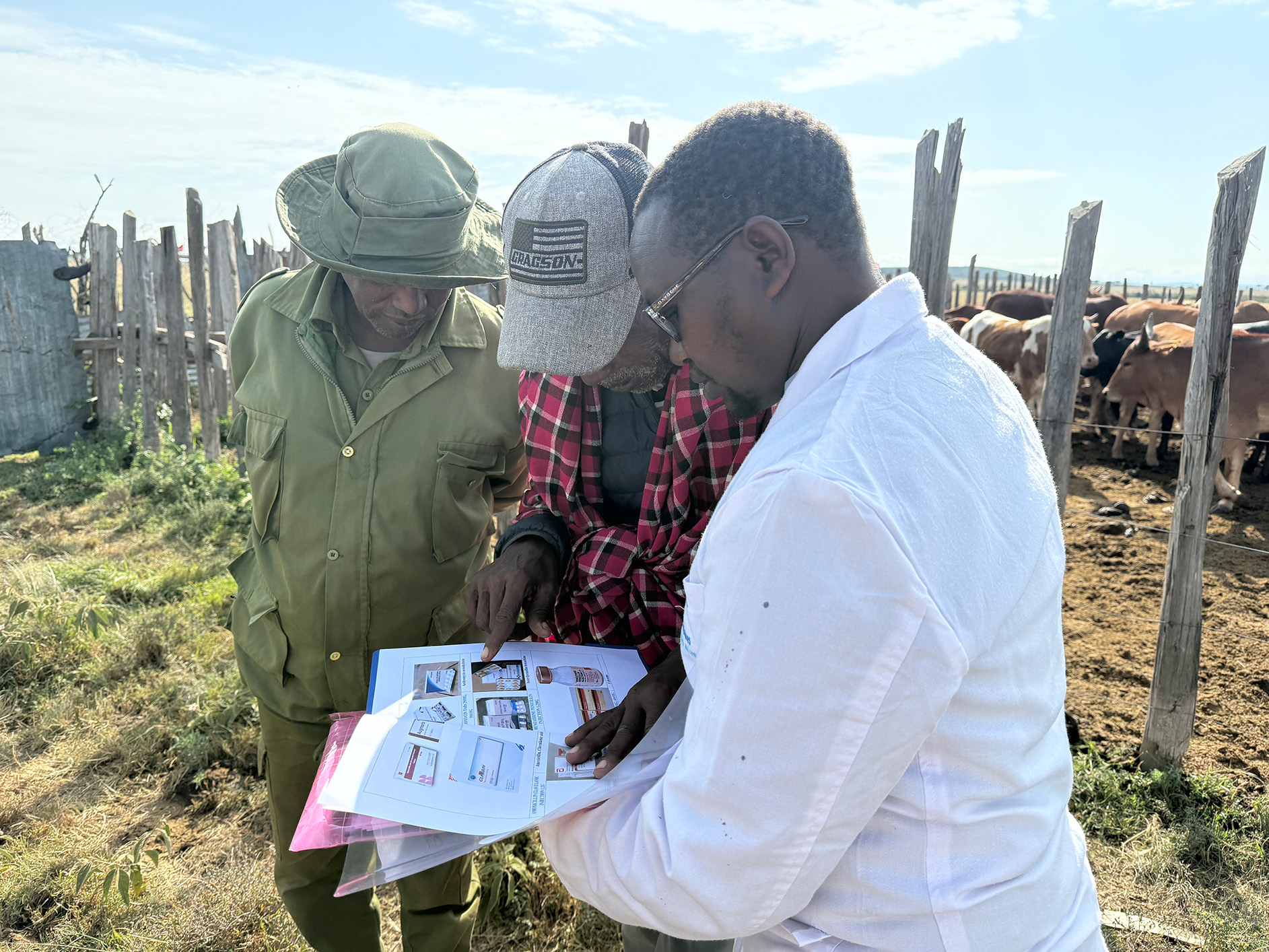
This provided valuable information on existing hygiene and health measures for both humans and animals, and will allow the results obtained to be placed in a broader context. For example, will we find bacteria that are resistant to antibiotics that are widely used locally? Can this data be used to identify possible transmission routes for bacteria or resistance genes between the different One Health sectors, i.e. human, wildlife and environment? We hope to answer all these exciting questions together with ILRI over the next two years of the project.
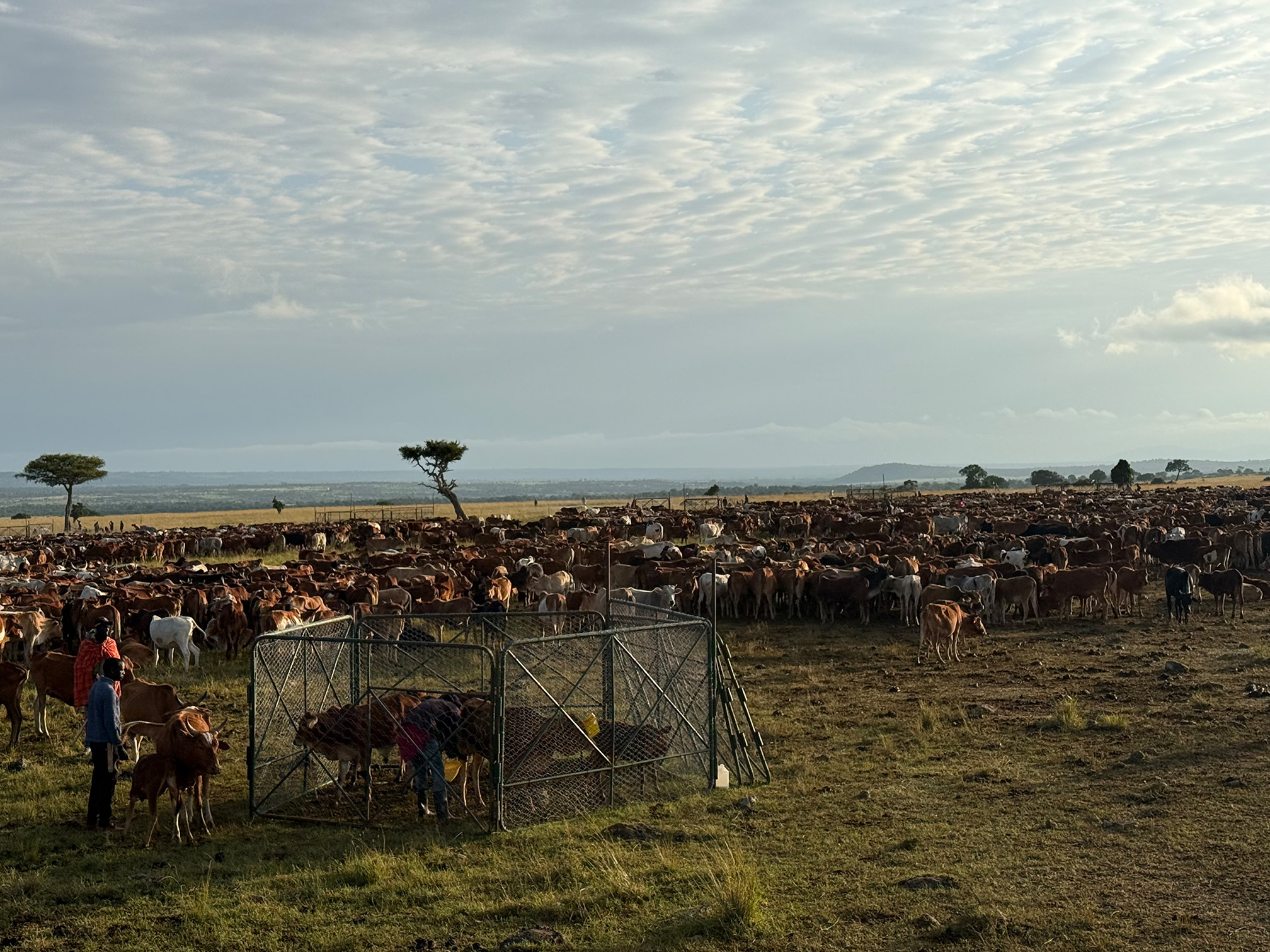
The second sampling site was a communal grazing area, home to an astonishing 14,000 cattle. Here, subherds roam freely and share resources with the local wildlife – an ideal environment for studying interactions between species and ecosystems.
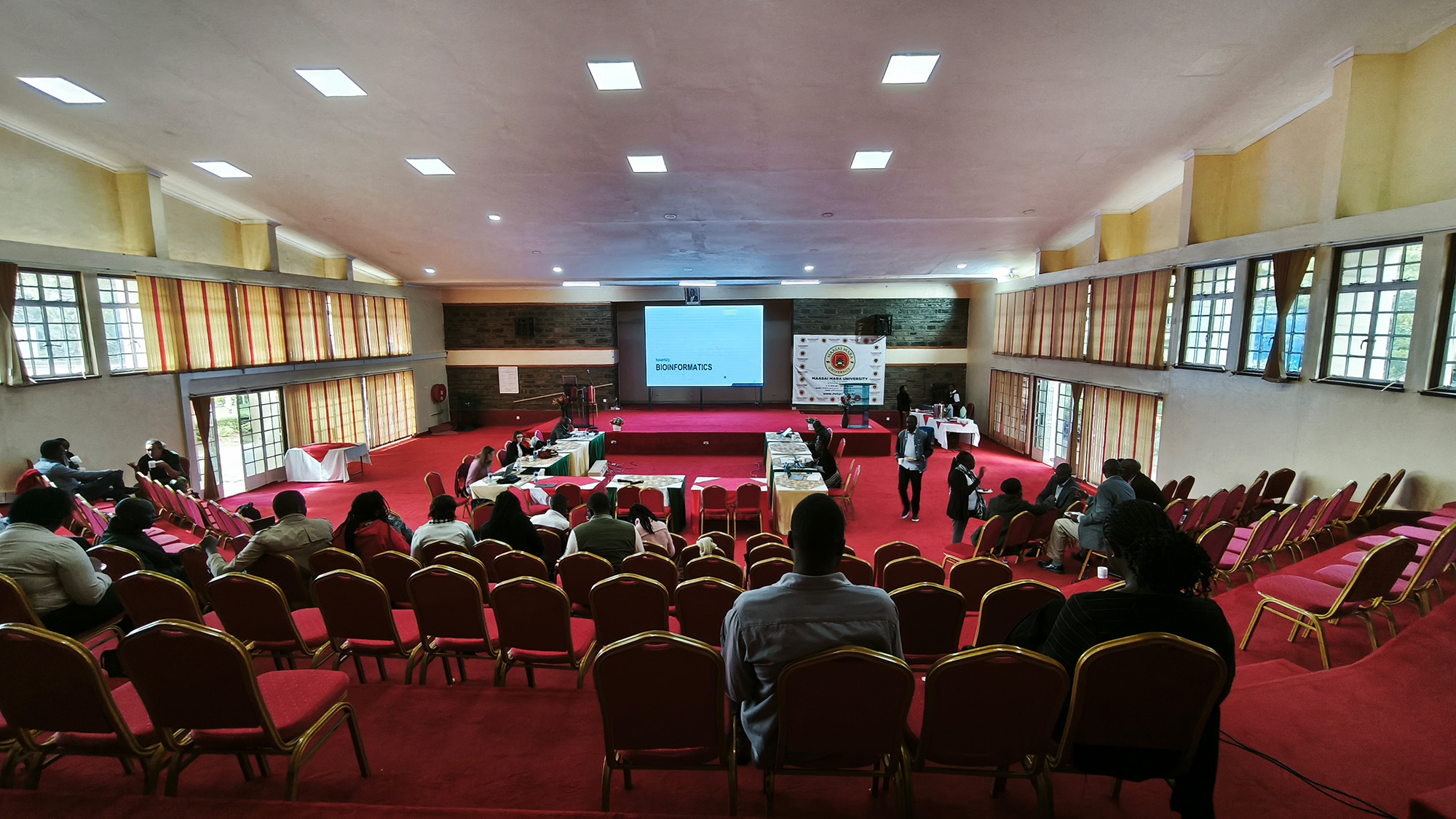
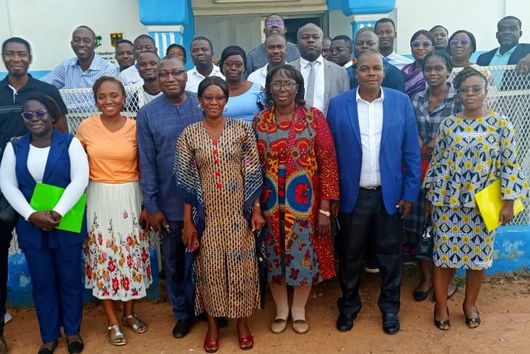
Later during our trip, we hosted an engaging workshop on “Genomics for antimicrobial resistance surveillance at One Health interfaces” at Maasai Mara University for students, faculty and other interested participants. The session introduced the One Health concept, offering theoretical insights and hands-on experience in the bioinformatic analysis of genomic data. The workshop sparked dynamic discussions and laid the groundwork for future collaborations.
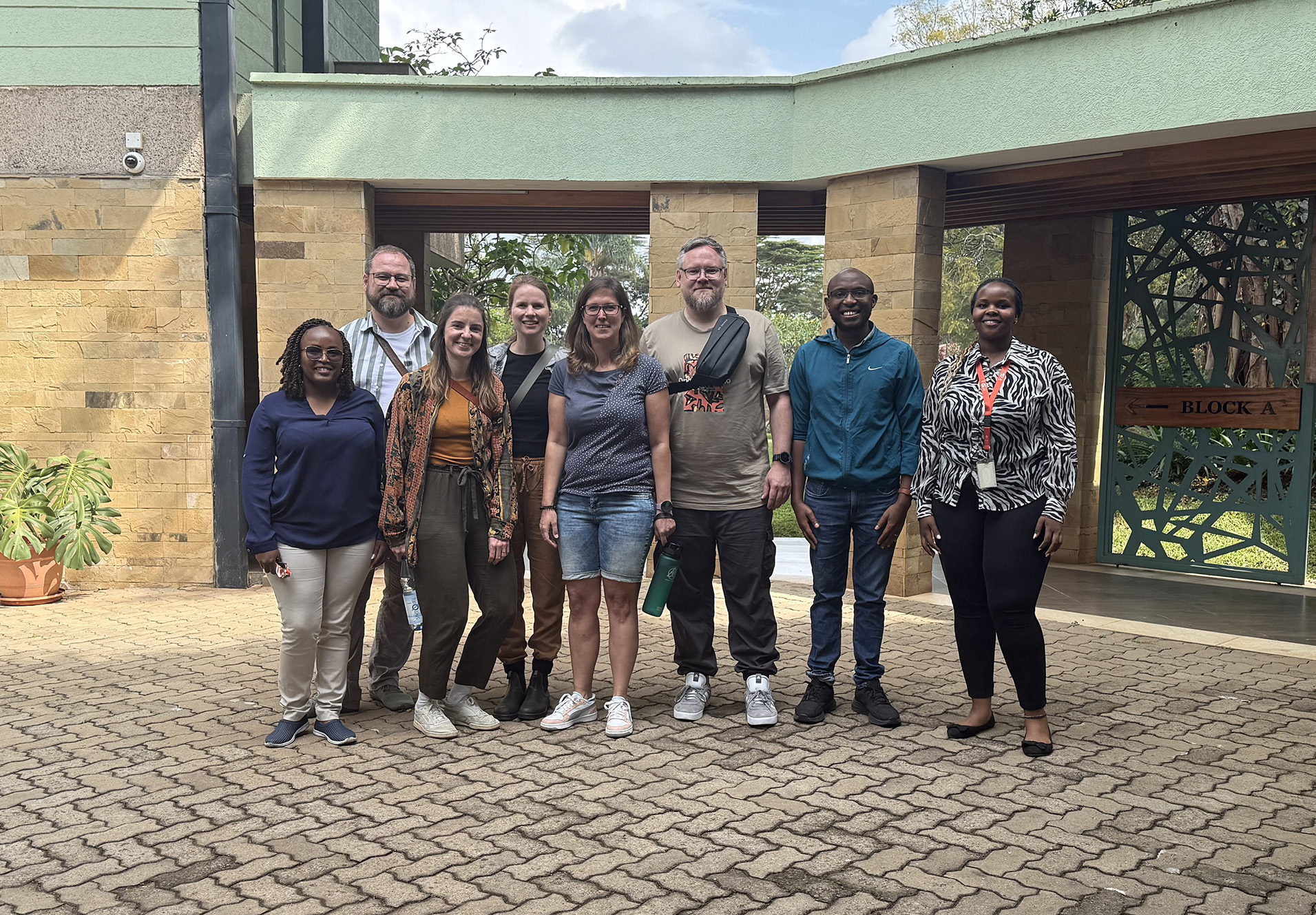
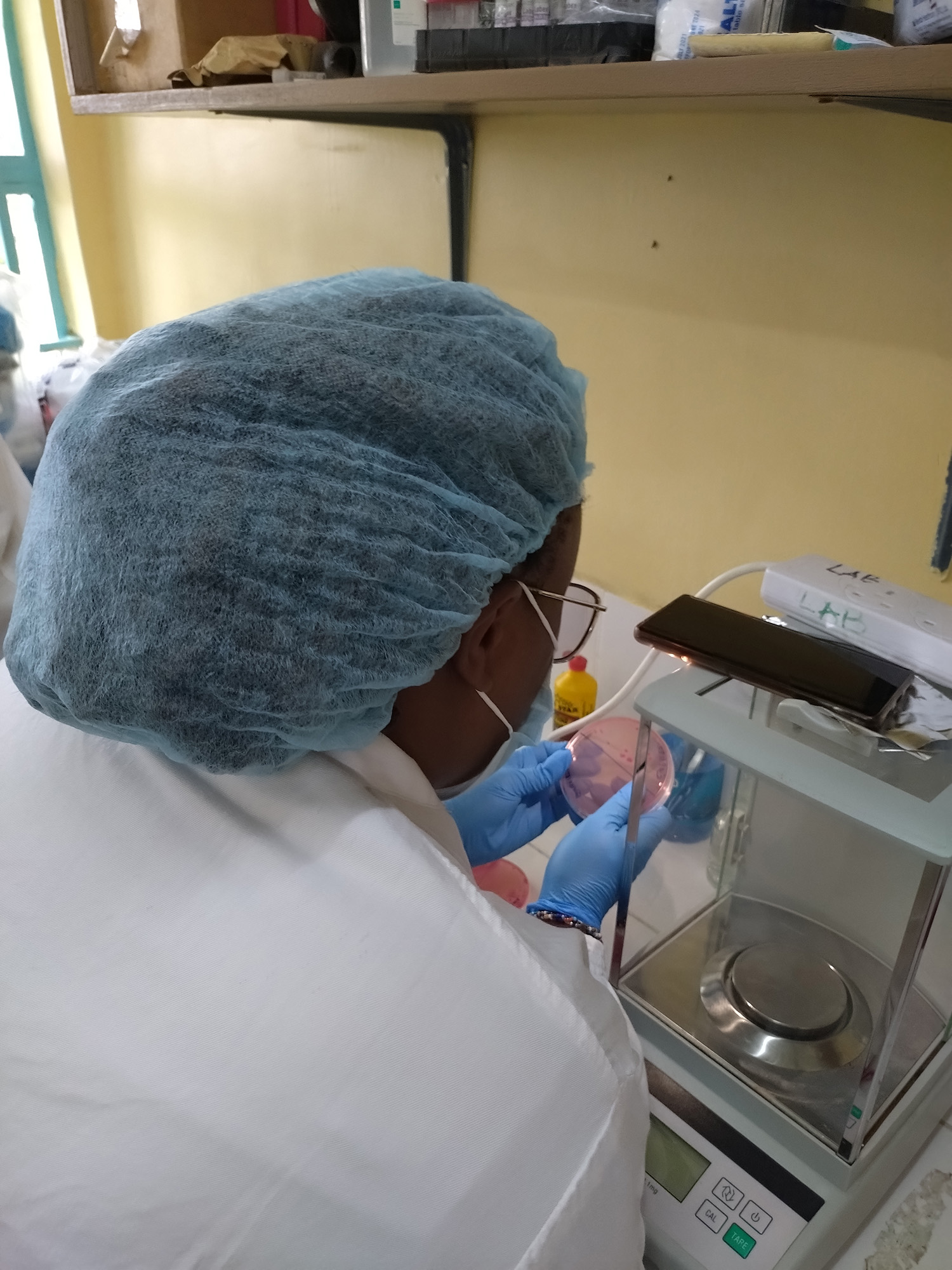
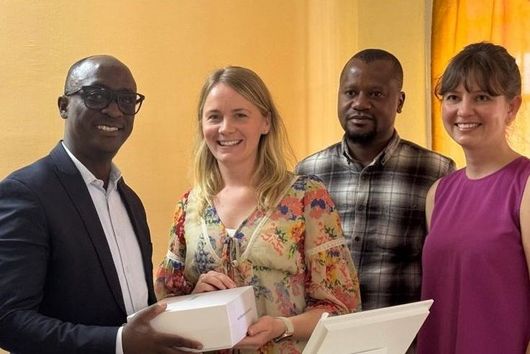
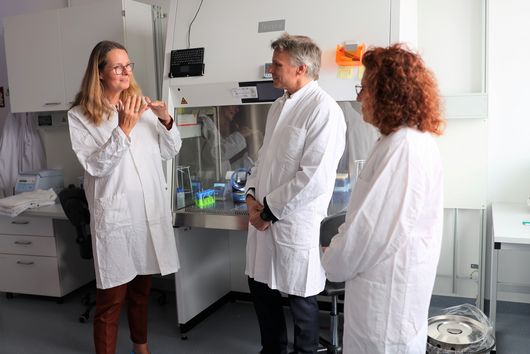
Back in Nairobi, we visited the ILRI laboratories, which are equipped to a very high international standard. During our discussions with the local teams, the focus quickly shifted to practical solutions: streamlining laboratory processes, harmonizing protocols, and refining the project schedule. We have also explored opportunities to improve the sampling phase in Kenya and examined how we can provide support by supplying urgently needed reagents.
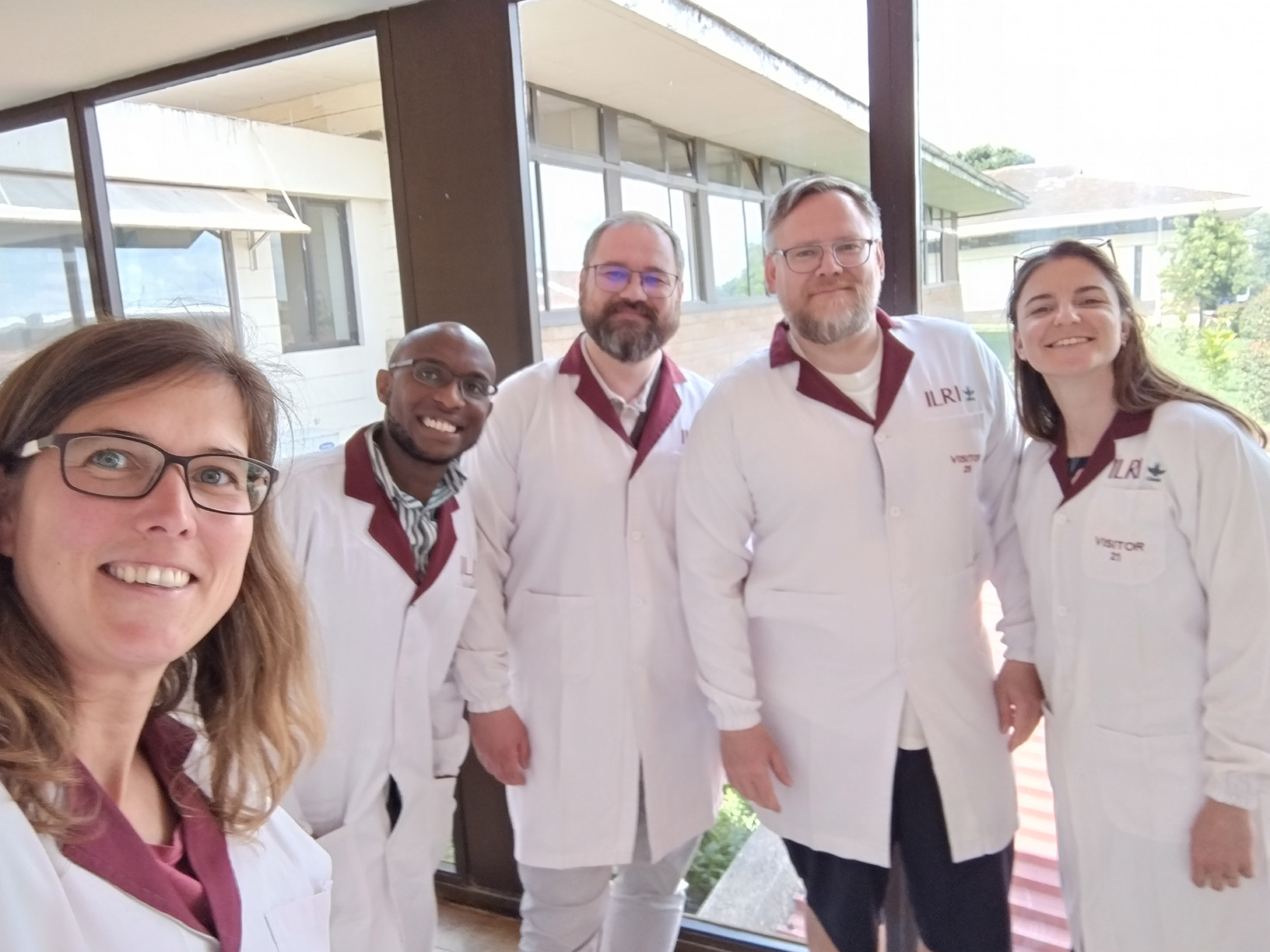
The trip to the Maasai Mara provided valuable scientific insights, an immersive experience in the local environment, and meaningful engagement with communities and research partners. It generated ideas for future projects, clarified challenges, and reinforced our commitment to One Health. Overall, the visit was productive, enriching, and strengthened key research collaborations.
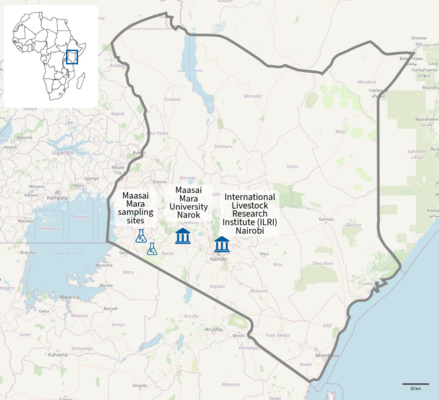
HIOH’s “Epidemiology and Ecology of Antimicrobial Resistance” group collaborates with the International Livestock Research Institute (ILRI) in Nairobi and the Maasai Mara University in Narok. The sampling sites are located in the Maasai Mara National Reserve which is directly adjacent to the Serengeti National Park (Tanzania). ©OpenStreetMap/HIOH

Press contact




![[Translate to English:]](/fileadmin/HIOH/__processed__/8/3/csm_Lab_Eroeffnung_Buake1_c937de8203.jpeg "[Translate to English:]")